

Biryani Leaf Plant / Payes Pata / Pandan – Pandanus amaryllifolius Plant
🌿 About the Biryani Leaf / Pandan Plant
The accepted botanical name is Pandanus amaryllifolius Roxb., belonging to the Pandanaceae family. Kew’s Plants of the World Online recognizes this species as accepted and records its native range as Maluku, with the plant now introduced into several tropical regions including India.
The leaves are particularly popular in South Asian and Southeast Asian cooking, where they are used to add a distinctive sweet, aromatic fragrance to rice dishes, desserts and other preparations.
🍃 Long, Fragrant Green Leaves
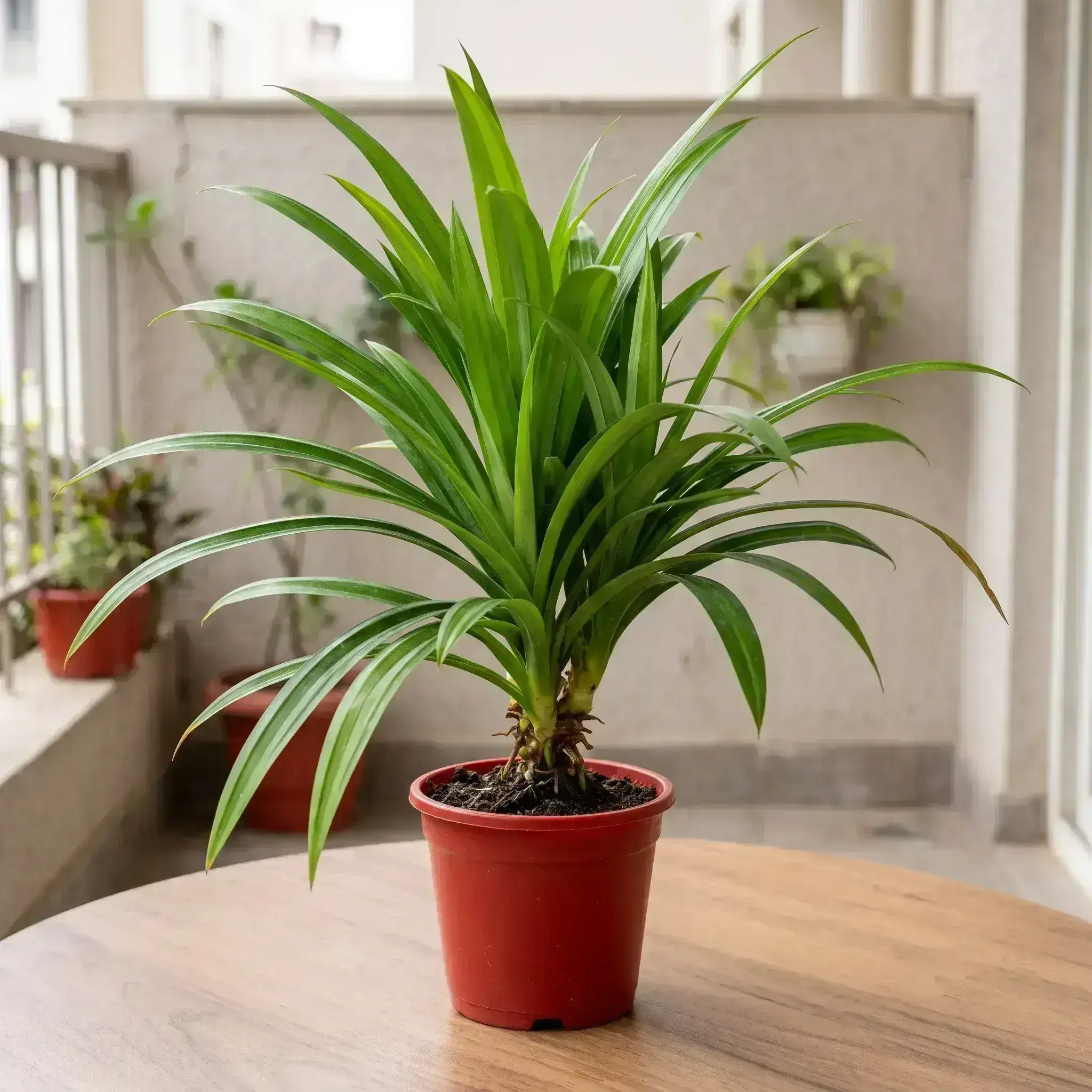
The plant produces long, narrow, strap-like green leaves arranged in an attractive upright and spreading form.
Its foliage provides two benefits in one plant:
- 🌿 Attractive tropical appearance
- 🍚 Aromatic leaves for culinary use
- 🌱 Suitable for container gardening
- 🏡 Excellent for home gardens
- 🪴 Attractive balcony and terrace plant
The leaves are generally the main reason this plant is cultivated.
🍚 Popular Culinary Plant
Pandan leaves are traditionally valued for their characteristic sweet, fragrant aroma.
Fresh leaves are commonly used to flavour or perfume foods such as:
- Biryani and flavoured rice
- Pulao
- Rice dishes
- Payesh and other desserts
- Kheer-style preparations
- Cakes and sweets
- Curries and savoury dishes
- Tea and other aromatic preparations
Important: The exact culinary tradition and preparation varies by region. Use only correctly identified, clean and healthy leaves intended for culinary purposes.
🌱 Why Grow Pandan at Home?
Growing your own Pandan plant gives you access to a beautiful tropical foliage plant while also providing the possibility of harvesting fresh leaves when the plant is established.
It is particularly useful for people who enjoy:
- 🌿 Kitchen gardening
- 🍚 Traditional cooking
- 🪴 Container gardening
- 🌱 Tropical plants
- 🏡 Home gardens
- 🌿 Fragrant foliage plants
☀️ Light Requirements
Pandan prefers bright light and warm growing conditions.
For container cultivation:
- Provide bright filtered or indirect sunlight.
- Gentle morning sunlight can be beneficial.
- Protect the plant from extremely harsh afternoon sun when grown in containers.
- Avoid keeping it permanently in a dark indoor corner.
- Gradually acclimatize the plant when moving it from shade to stronger sunlight.
Good light supports healthy green foliage and active growth.
💧 Watering Requirements
Pandan naturally prefers consistently moist growing conditions, particularly during warm weather.
Follow this routine:
- Check the soil regularly.
- Water when the upper surface begins to dry.
- Water thoroughly without creating stagnant conditions.
- Ensure excess water can drain from the pot.
- During hot weather, check the plant more frequently.
- Reduce watering during cooler periods if the soil remains moist for longer.
Avoid allowing the plant to remain completely dry for extended periods.
🌱 Soil & Potting Mix
Use a fertile, moisture-retentive but well-draining potting mixture.
A suitable mix may contain:
- Quality garden soil or potting soil
- Cocopeat
- Compost or well-decomposed organic matter
- Perlite, coarse sand or another drainage material
The goal is to maintain moisture while still allowing excess water to drain away.
💦 Humidity
Pandan is a tropical plant and generally appreciates warm, humid conditions.
For better growth:
- Keep the plant in a warm location.
- Avoid very dry indoor air.
- Keep it away from strong air-conditioner airflow.
- Group plants together when appropriate.
- Maintain good air circulation around the foliage.
Outdoor cultivation in a warm, humid environment can be particularly suitable.
🌡️ Temperature
Pandan is best suited to warm tropical and subtropical conditions.
Protect the plant from:
- Frost
- Freezing temperatures
- Cold winds
- Prolonged cold exposure
- Sudden temperature changes
For cooler regions, growing it in a container makes it easier to move the plant to a protected location when temperatures fall.
🪴 Growing in a Pot
The Pandanus amaryllifolius plant with pot is convenient for growing in homes, balconies and terraces.
When growing in a container:
- Use a pot with drainage holes.
- Choose a fertile growing medium.
- Water according to soil moisture.
- Provide sufficient light.
- Repot when the root system becomes crowded.
- Give the plant adequate space as it develops.
A container also makes it easier to manage the plant in areas where outdoor temperatures become unsuitable.
✂️ Pruning & Leaf Harvesting
Pandan generally needs only simple maintenance.
For harvesting:
- Select mature, healthy leaves.
- Use clean scissors or a sharp knife.
- Cut leaves carefully without damaging the central growing point.
- Avoid removing too many leaves at once.
- Remove old or damaged leaves when necessary.
Regular harvesting can also help maintain a neat appearance, but the plant should always retain enough healthy foliage for continued growth.
🌿 Naturally Attractive Tropical Foliage
Even when grown purely as an ornamental plant, Pandan makes an attractive addition to a garden.
Its long green leaves create a lush tropical appearance and can complement:
- Tropical gardens
- Kitchen gardens
- Balcony gardens
- Terrace gardens
- Courtyards
- Patio plant collections
- Indoor tropical plant collections
The spiral arrangement and long foliage are characteristic features of the Pandanaceae family.
🏡 Home & Office Use
Although Pandan is especially popular as a culinary plant, its attractive foliage also makes it useful as a decorative plant.
It can be placed in:
- 🏠 Home gardens
- 🌿 Kitchen gardens
- 🪴 Balconies
- 🌱 Terraces
- 🏢 Office gardens
- 🌿 Courtyards
- 🪴 Sheltered patios
For indoor use, provide a bright location with good ventilation and avoid keeping the plant in a permanently dark room.
🌱 Easy Plant for Garden & Kitchen Gardening
Once established in a warm, suitable environment, Pandan can be a rewarding plant for home gardeners.
Its combination of:
- Aromatic foliage
- Tropical appearance
- Container adaptability
- Culinary usefulness
- Attractive green leaves
makes it an interesting addition to a home kitchen garden or tropical plant collection.
🌿 Why Choose Pandan / Payes Pata Plant?
- Popular aromatic foliage plant
- Botanical name: Pandanus amaryllifolius
- Long, attractive green leaves
- Useful culinary plant
- Popular for rice dishes and desserts
- Suitable for home kitchen gardens
- Can be grown in containers
- Suitable for balconies and terraces
- Beautiful tropical ornamental appearance
- Warm-climate plant
- Supplied as a live plant with pot
🪴 Healthy Live Plant with Pot
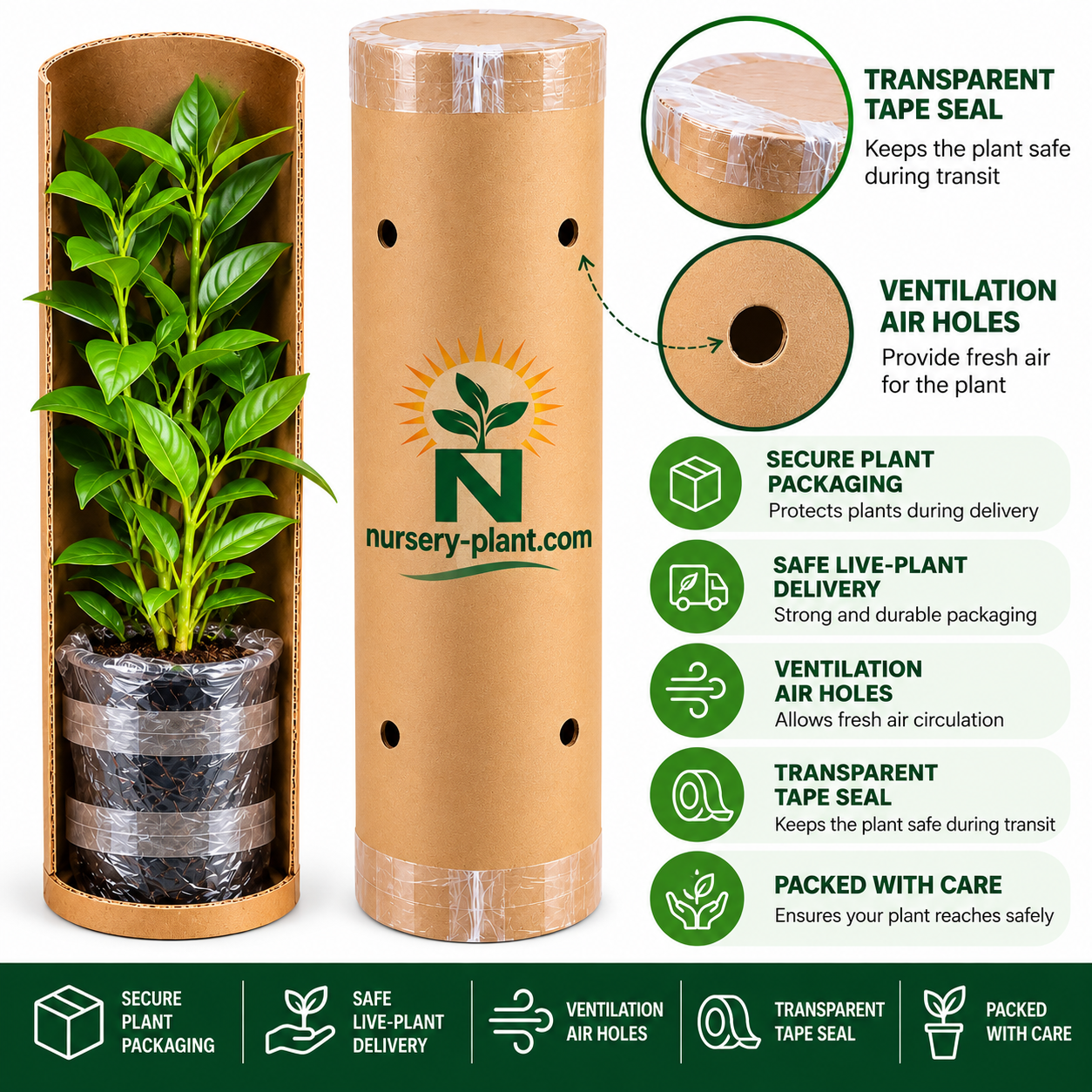
You will receive a live Pandan / Payes Pata / Pandanus amaryllifolius plant with pot, carefully prepared for delivery.
Because this is a living plant, plant height, number of leaves, leaf length, foliage density and overall shape may naturally vary from the product photographs.
Minor bending, leaf movement or temporary stress can occur during transportation. After receiving the plant, place it in a warm and bright location, water according to the soil condition and allow it time to acclimatize.
For culinary use, always wash harvested leaves thoroughly and use only leaves from a correctly identified and healthy plant.
🔬 Botanical Information & Further Reading
- Botanical name: Pandanus amaryllifolius Roxb.
- Family: Pandanaceae
- Common names: Pandan, Pandan Leaf, Pandanus, Payes Pata, Kewra Pata
- Plant type: Tropical aromatic shrub
- Growth habit: Evergreen foliage plant
- Main uses: Culinary, kitchen gardening and ornamental cultivation
For verified botanical classification and distribution, see Royal Botanic Gardens, Kew – Plants of the World Online: Pandanus amaryllifolius.
Kew also records Pandanus odorus as a synonym of Pandanus amaryllifolius.
For information about the Pandanaceae family, including its characteristic leaves and growth forms, see Kew – Plants of the World Online: Pandanaceae.
🌱 Bring Home Your Pandan Plant
Add a useful and attractive tropical plant to your garden with the Biryani Leaf / Payes Pata / Pandan – Pandanus amaryllifolius Plant with Pot.
With its fragrant green leaves, tropical appearance and culinary value, this plant is a wonderful choice for a home kitchen garden, balcony, terrace or warm outdoor growing space.
For More Information Visit: Nursery-Plant.Com
For Contact Visit:Contact Us
For Shopping Visit: Shop Page


Reviews
There are no reviews yet.