Buddha Bamboo Plant – Buddha Belly Bamboo for Home & Garden
The Buddha Bamboo Plant, also known as Buddha Belly Bamboo (Bambusa vulgaris) Plant . This ornamental bamboo is admired for its unusual swollen stem sections, lush green foliage and attractive clumping growth habit.
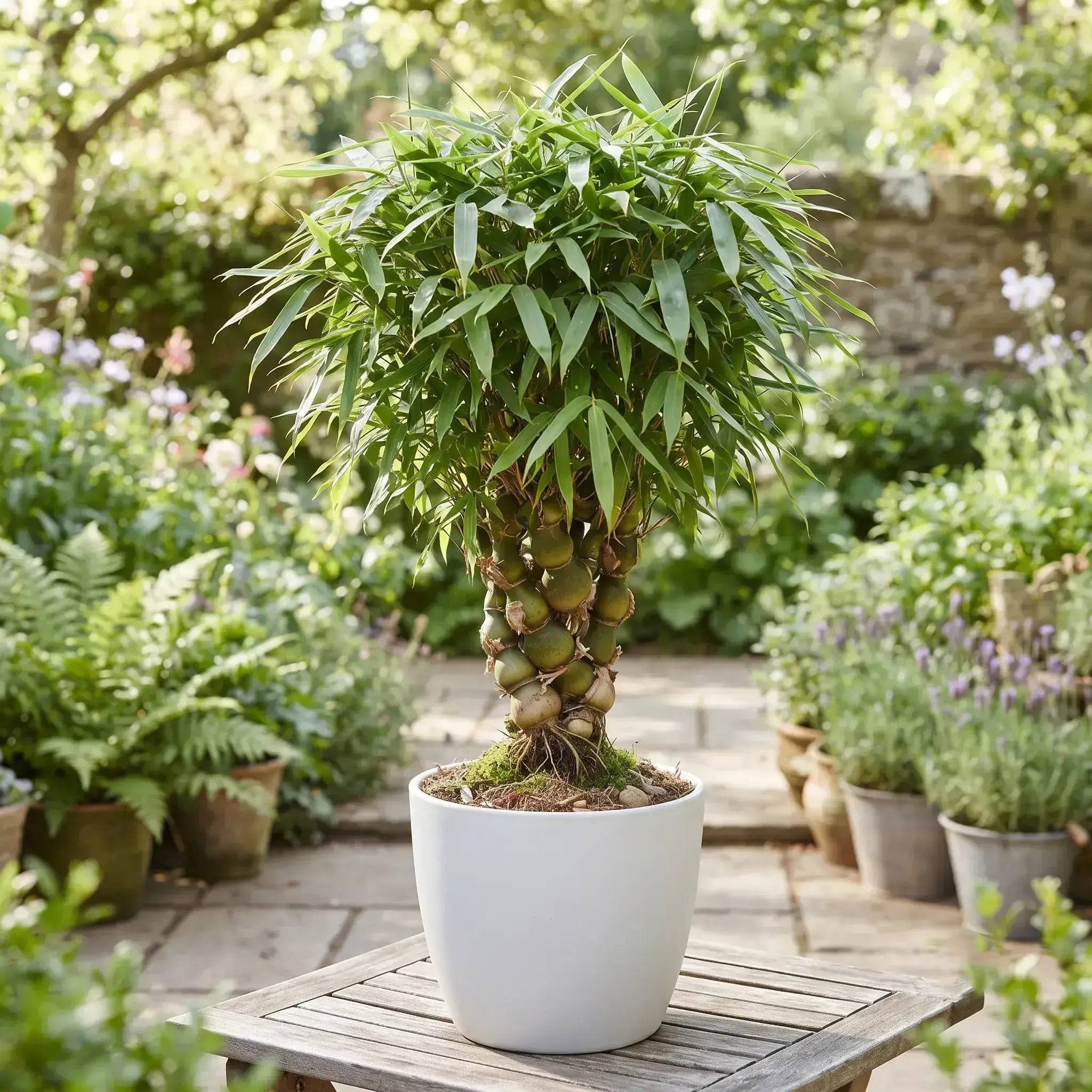
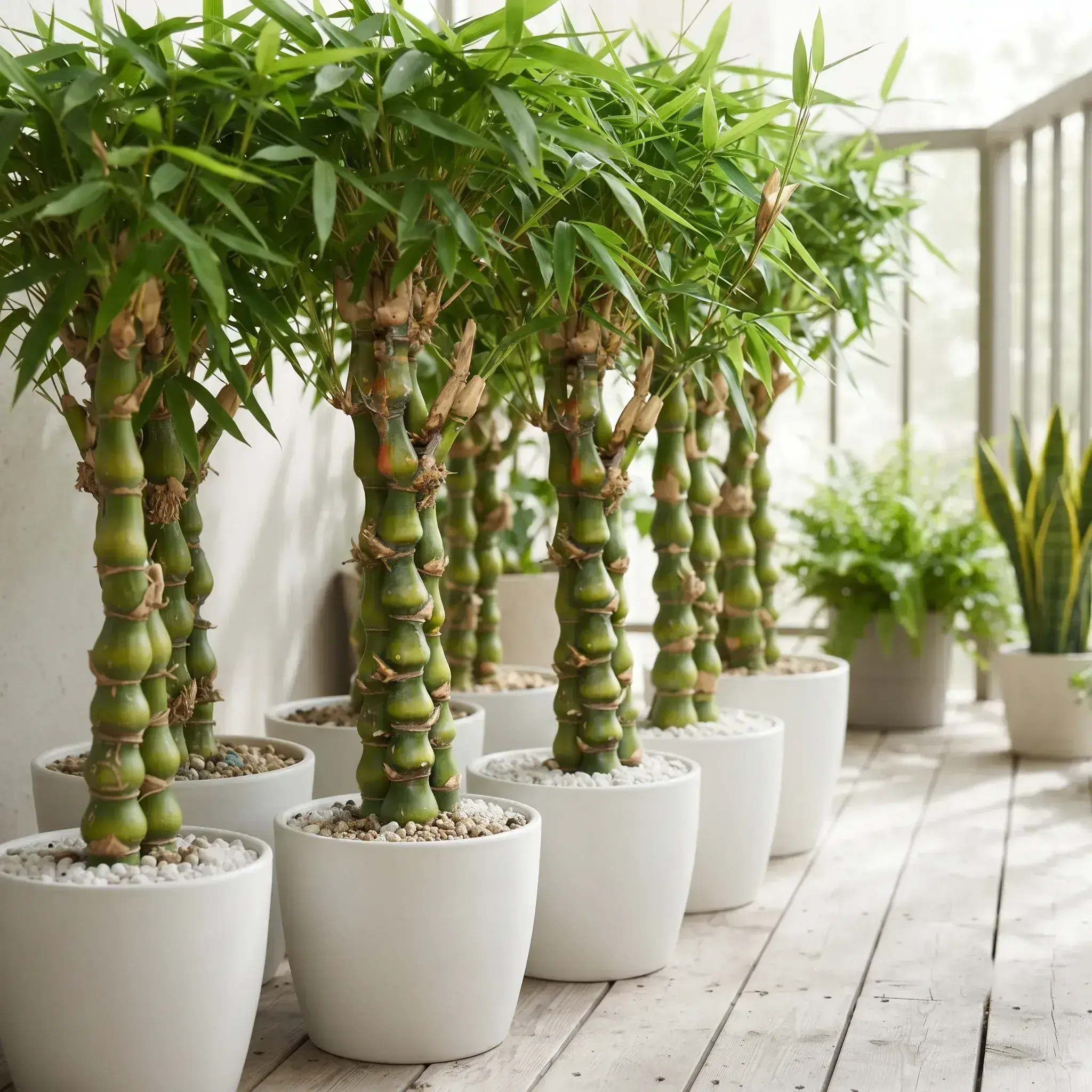
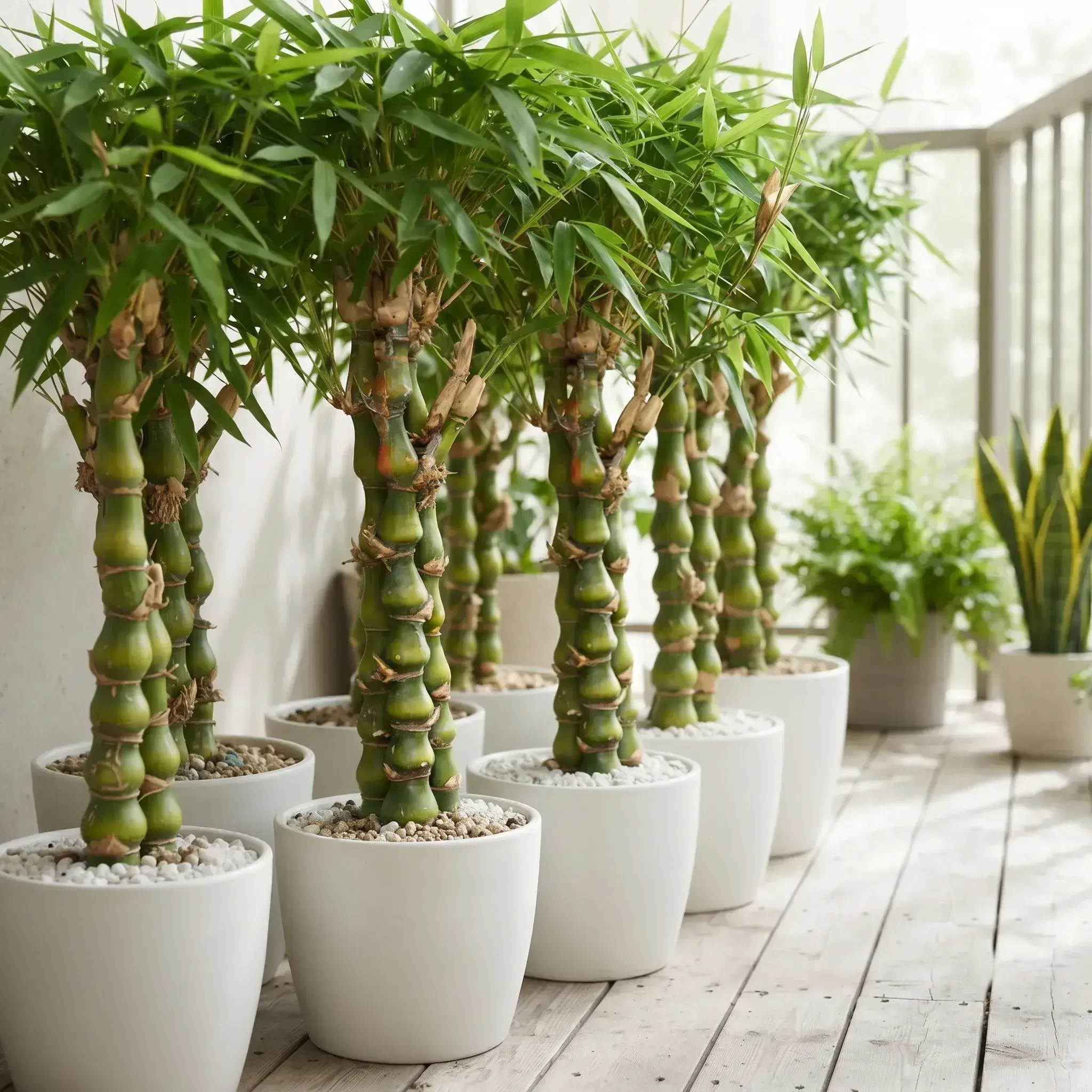
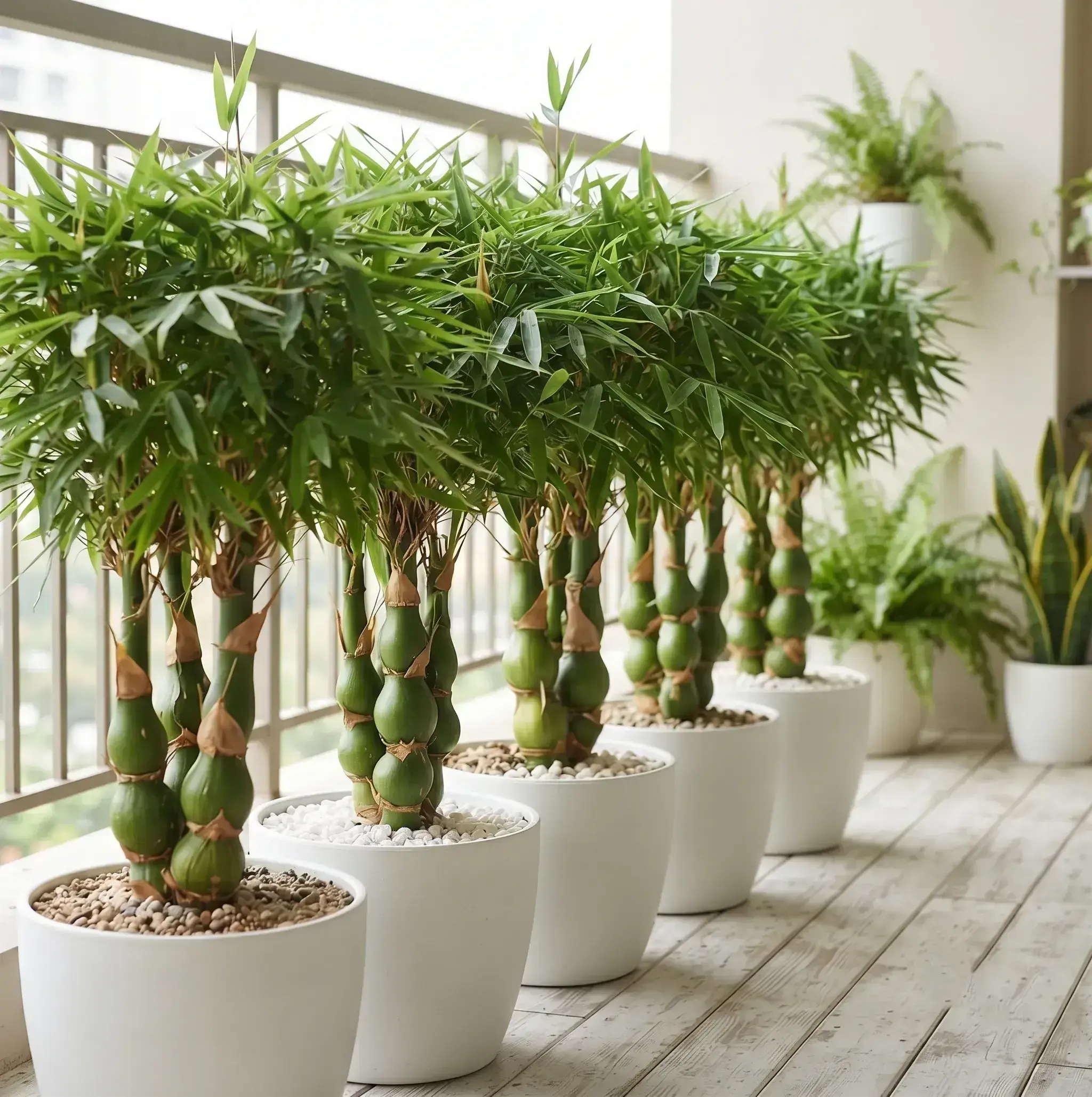
Unlike ordinary bamboo, Buddha Belly Bamboo can develop rounded, bulging sections between the nodes of its stems. These swollen sections resemble a rounded belly, which gives the plant its popular name. Its unusual appearance makes it a beautiful choice for garden decoration, large pots, patios, landscaped spaces and tropical-style gardens.
Buddha Bamboo is particularly attractive as a specimen plant. It can be grown in a large container or planted in the ground where there is enough space for its clump to develop.
Plant Highlights
- Common Names: Buddha Bamboo, Buddha Belly Bamboo, Buddha’s Belly Bamboo, Wamin Bamboo
- Botanical Identity: Bambusa ventricosa and Bambusa vulgaris ‘Wamin’
- Family: Poaceae (Grass family)
- Plant Type: Evergreen ornamental bamboo
- Stem Colour: Green, sometimes becoming yellowish with age depending on the variety
- Special Feature: Swollen, rounded stem sections
- Foliage: Narrow, green leaves
- Growth Habit: Clump-forming
- Light Requirement: Full sun to partial shade
- Water Requirement: Moderate; prefers consistently moist but well-drained soil
- Best For: Home gardens, large pots, patios, landscape decoration and tropical gardens
- Maintenance: Moderate
About the Buddha Belly Bamboo Plant
Buddha Belly Bamboo is a decorative bamboo grown mainly for its unusual stems. It is commonly associated with Bambusa ventricosa, a bamboo native to southern China and Vietnam.
Another ornamental form, Bambusa vulgaris ‘Wamin’, is also widely known as Buddha’s Belly Bamboo or Giant Buddha Belly Bamboo. It has characteristic short, swollen internodes that give the stems a distinctive rounded appearance.
The plant belongs to the Poaceae family, which includes grasses and bamboo species. It grows in clumps and produces new stems from underground rhizomes.
Its unusual stem shape makes it popular for ornamental gardening, container growing and landscape design.
Appearance and Growth
The most attractive feature of Buddha Belly Bamboo is its unusual stem structure.
- Green, woody bamboo stems
- Rounded or swollen sections between stem nodes
- Narrow, elongated green leaves
- Dense, leafy branches
- Upright growth with an attractive clumping habit
The amount of stem swelling can vary with the variety and growing conditions. Plants grown under favourable conditions may produce more ordinary-looking stems, while characteristic swollen sections are particularly associated with the Buddha Belly forms.
The plant can become considerably larger when planted in the ground. Its mature size depends on the exact variety, climate, available space and growing conditions.
Flowers and Flowering Season
Bamboo plants generally flower infrequently, and flowering may occur after long intervals depending on the species.
Buddha Belly Bamboo is mainly grown for its decorative stems and foliage rather than its flowers. Flowering is uncommon in ordinary garden cultivation, so it should not be purchased primarily for flowering.
Sunlight Requirements
Buddha Belly Bamboo grows well in full sunlight to partial shade.
Suitable locations:
- Open home gardens
- Sunny balconies with enough space
- Garden borders
- Patios and courtyards
- Large outdoor planters
- Tropical landscape gardens
Good sunlight supports healthy foliage and stem development. In extremely hot weather, some protection from intense afternoon heat can help young plants establish.
For container-grown plants, choose a location with good light and sufficient airflow.
Watering Requirements
Buddha Belly Bamboo prefers regular moisture, especially during active growth. Unlike succulent plants, bamboo should not be allowed to remain completely dry for extended periods.
Follow these watering guidelines:
- Water regularly, especially during hot and dry weather.
- Keep the soil moderately moist but never waterlogged.
- Increase watering when the plant is actively growing.
- Reduce watering during cool or rainy periods.
- Check container drainage after heavy rainfall.
Important for West Bengal: Bamboo can grow well in the warm, humid climate, but prolonged waterlogging during the monsoon can damage roots. Use well-draining soil and avoid planting in areas where water collects.
Do not deliberately keep the plant severely dehydrated to encourage swollen stems. Water stress can damage the plant.
Best Soil for Buddha Belly Bamboo
Buddha Bamboo grows best in fertile, moisture-retentive but well-draining soil.
A suitable garden soil mixture can include:
- 40% good-quality garden soil
- 30% mature compost or well-decomposed organic matter
- 20% coarse sand
- 10% coco-based growing material or another soil conditioner
For heavy clay soil, improve drainage before planting. The soil should retain enough moisture for bamboo growth without becoming waterlogged.
Temperature and Indian Climate
Buddha Belly Bamboo prefers warm tropical and subtropical conditions. It can be grown in many parts of India, including West Bengal.
For healthy growth:
- Provide sufficient sunlight.
- Maintain regular soil moisture.
- Protect young plants from extreme heat and drying winds.
- Avoid prolonged waterlogging during the monsoon.
- Provide enough space for the clump to develop.
The warm and humid climate of West Bengal can support bamboo growth when drainage and maintenance are suitable.
Fertilizer Requirements
Bamboo benefits from fertile soil and regular feeding during active growth.
For healthy development:
- Add mature compost around the plant.
- Use a balanced garden fertilizer according to its label.
- Apply fertilizer during active growth.
- Avoid excessive fertilizer application.
- Water after applying granular fertilizer if the product instructions require it.
Regular organic matter helps maintain soil quality and supports healthy foliage and new stem production.
Growing Buddha Bamboo in Pots
Buddha Belly Bamboo can be grown in large containers, making it suitable for patios, courtyards and spacious balconies.
Choose a strong, large pot with drainage holes. Bamboo develops an extensive root and rhizome system, so a small decorative pot may not be suitable for long-term growth.
Suitable containers:
- Large ceramic planters
- Heavy-duty garden pots
- Large terracotta containers
- Outdoor landscape planters
- Strong cement planters with drainage
Container-grown plants need regular watering and feeding because nutrients and moisture are limited compared with plants growing in the ground.
Repot or divide the plant when its roots and rhizomes become overcrowded.
Best Places to Keep Buddha Belly Bamboo
Home Garden: Plant it as a decorative specimen in an open garden area with sufficient space.
Patio: A large container can make an attractive feature beside a patio or courtyard.
Balcony: It can be grown on a spacious balcony in a large, stable container with sufficient sunlight.
Landscape Garden: Use it as an ornamental focal plant in tropical-style landscaping.
Garden Entrance: Its unusual stems and green foliage can create an attractive natural display near an entrance.
Pruning and Maintenance
Buddha Belly Bamboo requires occasional maintenance to maintain a neat appearance.
- Remove dry or damaged stems.
- Cut old stems close to the ground when necessary.
- Remove dead leaves and unwanted branches.
- Thin overcrowded growth to improve airflow.
- Check for pests and damaged foliage.
- Maintain adequate space around the clump.
Use clean, sharp garden tools when pruning. Avoid cutting healthy stems unnecessarily.
Propagation
Buddha Belly Bamboo can be propagated through division of established clumps and suitable stem or rhizome sections, depending on the variety and propagation method.
Clump division method:
- Choose a healthy, established bamboo clump.
- Carefully expose part of the underground rhizome system.
- Separate a section containing healthy roots and shoots.
- Replant it in fertile, well-draining soil.
- Water thoroughly after planting.
- Keep the new division adequately moist while it establishes.
Propagation is generally easier during favourable growing conditions. Newly divided plants need protection from severe drying until new growth develops.
Common Problems and Solutions
1. Yellowing leaves
Yellow leaves can result from water stress, nutrient deficiency, poor drainage or natural ageing. Check soil moisture and growing conditions.
2. Dry leaf tips
Low soil moisture, hot winds or environmental stress may cause dry leaf tips. Maintain regular watering and suitable growing conditions.
3. Weak or thin stems
Insufficient sunlight, poor nutrition or overcrowding can affect stem development. Improve light exposure and maintain fertile soil.
4. Poor growth
Young plants may take time to establish. Check the roots, soil quality, watering and sunlight.
5. Root problems
Waterlogged soil can damage roots. Improve drainage and avoid allowing water to collect around the plant.
6. Pests
Bamboo may occasionally be affected by aphids, scale insects or other sap-feeding pests. Inspect the leaves and stems and use a suitable plant-safe treatment according to its label.
Is Buddha Belly Bamboo Suitable for Home Gardens?
Yes. Buddha Belly Bamboo is an attractive ornamental plant for home gardens, patios and spacious outdoor areas.
Its unusual swollen stems make it especially suitable as a focal plant. It can also be grown in a large container where garden space is limited.
However, it is not a tiny tabletop bamboo. Choose a suitable planting location or container that can accommodate its developing clump and root system.
Safety and Planting Considerations
Buddha Belly Bamboo is grown as an ornamental grass. Avoid planting it where its mature size could block pathways or interfere with structures.
Although Buddha Belly forms are generally clumping rather than running bamboos, their underground rhizomes still need adequate space. Regularly inspect the planting area and divide crowded clumps when necessary.
Live Plant Delivery
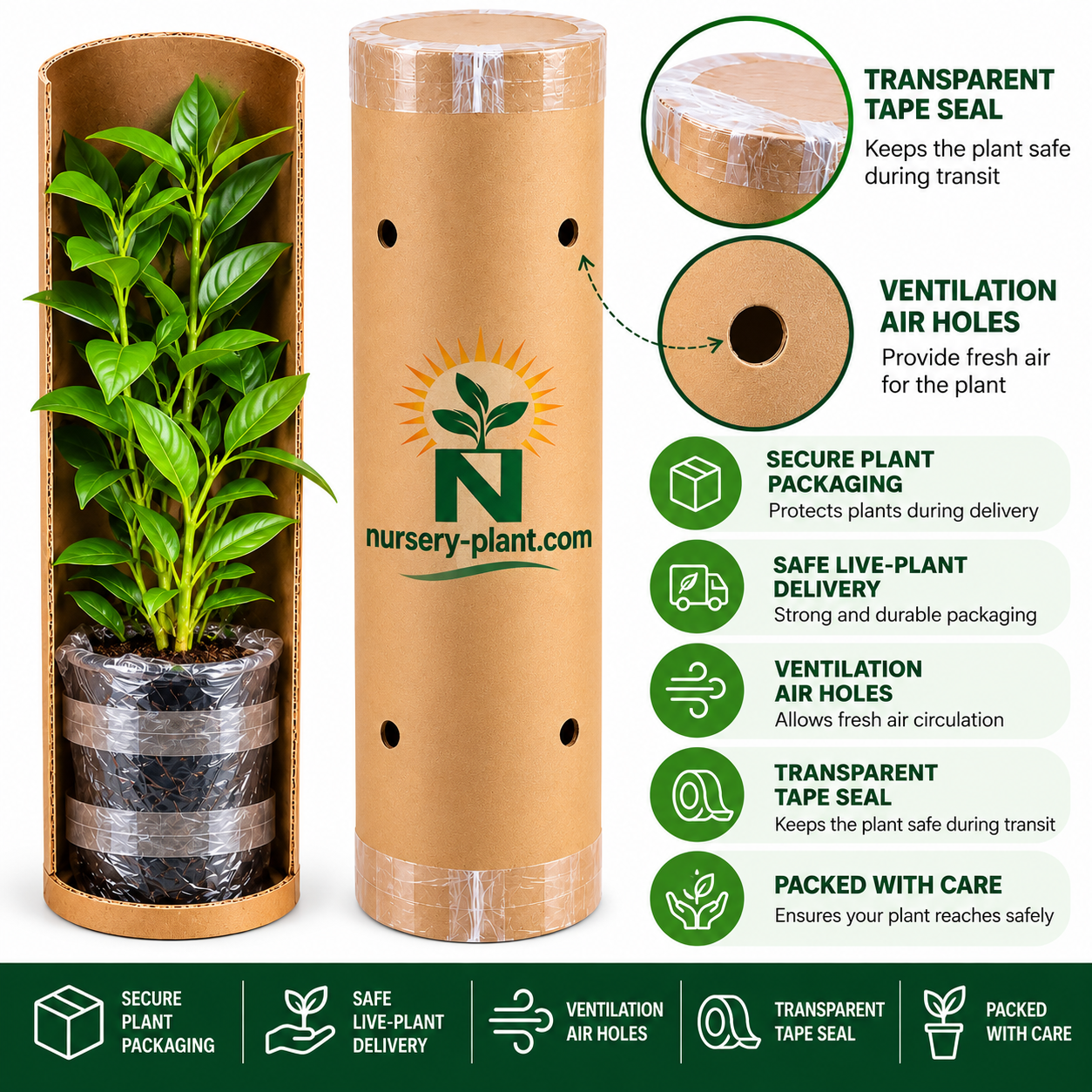
Your Buddha Bamboo Plant will be supplied as a live ornamental plant suitable for growing in a home garden, patio or large container.
As this is a living plant, stem thickness, stem swelling, plant height, leaf quantity and overall appearance may vary according to its age and growing conditions. The delivered plant may look slightly different from the product photograph.
The characteristic swollen stem sections may become more noticeable as the plant matures. Their development can vary between plants and growing conditions.
After delivery, plant it in suitable soil, water it appropriately and provide adequate sunlight while it establishes.
Why Choose the Buddha Belly Bamboo Plant?
- Unique swollen, rounded bamboo stems
- Attractive green foliage
- Distinctive tropical garden appearance
- Suitable for large decorative containers
- Excellent ornamental specimen plant
- Clump-forming growth habit
- Suitable for patios, courtyards and home gardens
- A beautiful choice for bamboo collectors and garden enthusiasts
Botanical Information & Further Reading
Learn more about Buddha Belly Bamboo and related botanical varieties through these references:
- Royal Horticultural Society – Bambusa ventricosa (Buddha’s Belly Bamboo)
- National Parks Board Singapore – Bambusa vulgaris ‘Wamin’
- Royal Horticultural Society – Bambusa vulgaris
- Kew – Bambusa vulgaris Botanical Classification
- Bamboo Research and Training Centre – Bambusa ventricosa ‘Kimmei’
- Bamboos of Meghalaya – Government of Meghalaya
- Kerala Karshakan – Ornamental Bamboo Growing Information
Frequently Asked Questions
1. What is Buddha Belly Bamboo?
Buddha Belly Bamboo is an ornamental bamboo known for its swollen, rounded stem sections. It is commonly associated with Bambusa ventricosa and Bambusa vulgaris ‘Wamin’.
2. Is Buddha Belly Bamboo the same as Bambusa vulgaris?
Not necessarily. The name is commonly used for Bambusa ventricosa and Bambusa vulgaris ‘Wamin’. Ordinary Bambusa vulgaris is a different, much larger bamboo.
3. Why is it called Buddha Belly Bamboo?
Its stems can develop swollen sections between the nodes that resemble a rounded belly.
4. Can Buddha Belly Bamboo grow in West Bengal?
Yes. The warm, humid climate can support its growth. Provide fertile soil, adequate sunlight and good drainage.
5. Can Buddha Bamboo grow in pots?
Yes. It can be grown in large containers with drainage holes and enough space for its roots and rhizomes.
6. Does Buddha Belly Bamboo need direct sunlight?
It grows well in full sun to partial shade. Young plants may benefit from protection against extreme afternoon heat.
7. How often should I water Buddha Belly Bamboo?
Water regularly to maintain moderate soil moisture. Avoid both prolonged dryness and waterlogging.
8. Does Buddha Belly Bamboo grow very tall?
Its mature size depends on the exact variety and growing conditions. Some forms can become several metres tall, while container-grown plants generally remain smaller.
9. Does Buddha Belly Bamboo produce swollen stems naturally?
The characteristic swollen stems are associated with particular Buddha Belly varieties. The degree of swelling can vary with genetics and growing conditions.
10. Can I grow Buddha Belly Bamboo indoors?
It is primarily an outdoor ornamental bamboo. It is better suited to a sunny patio, courtyard or spacious balcony than to a typical indoor room.
11. How can I propagate Buddha Belly Bamboo?
It can be propagated through division of established clumps and suitable rhizome sections.
12. Is Buddha Belly Bamboo suitable for landscaping?
Yes. It is attractive as a specimen plant in tropical gardens, patios, courtyards and large landscape containers.
13. Does Buddha Belly Bamboo flower?
Bamboo flowering is generally infrequent and may occur after long intervals. The plant is mainly grown for its ornamental stems and foliage.
14. Is Buddha Belly Bamboo a clumping bamboo?
The commonly sold Buddha Belly forms are clump-forming bamboos. However, they still need enough space for their underground rhizomes and mature clump.
For More Information
Visit: Nursery-Plant.Com
For Contact Visit:Contact Us
For Shopping Visit: Shop Page


Reviews
There are no reviews yet.