Arbequina Olive Tree | Olive Plant (Olea europaea) for Home Garden
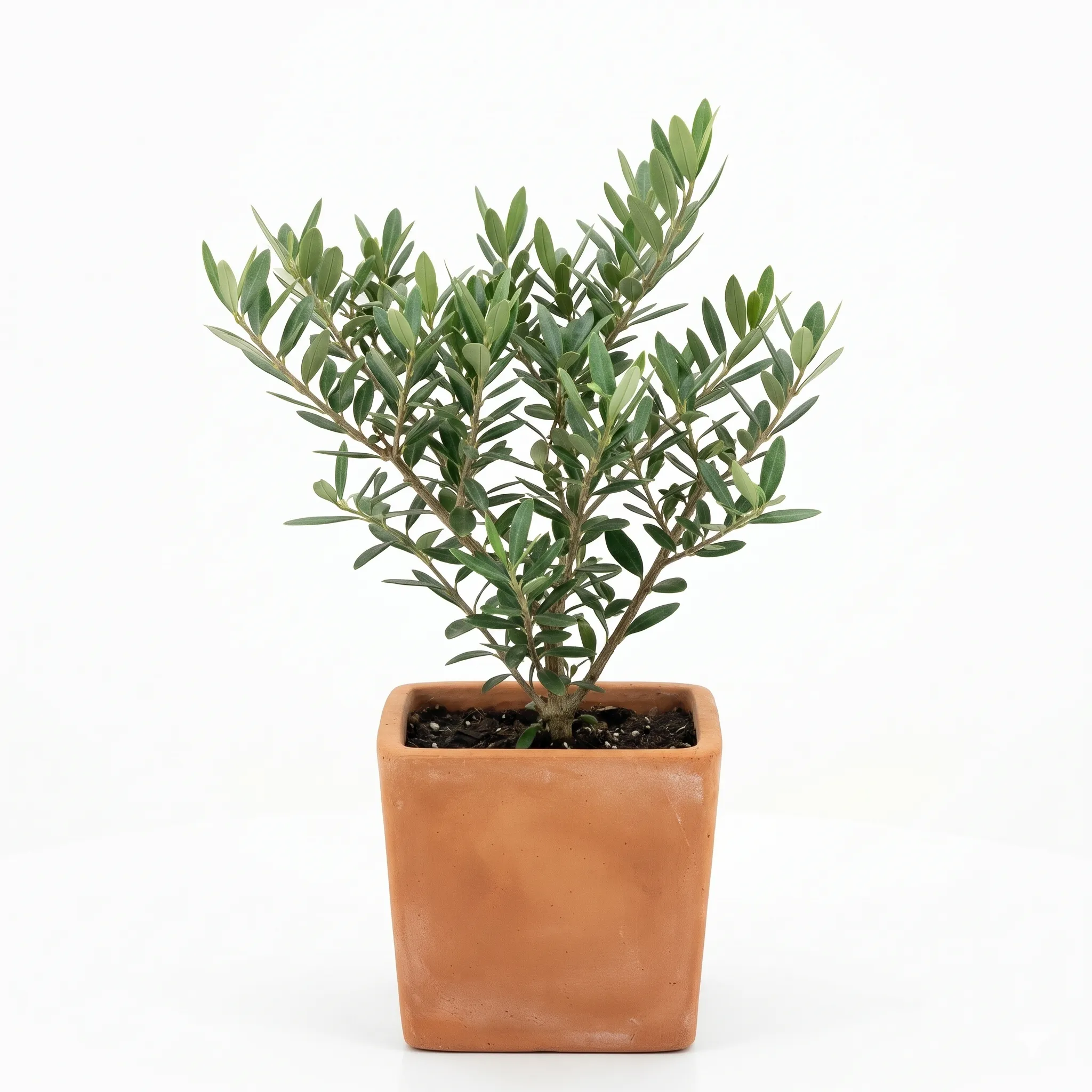
The Arbequina Olive Tree also known as Olive Plant – (Olea Europaea) Plant . This popular Spanish olive cultivar is admired for its attractive evergreen foliage, graceful branches, compact growth habit and small oval-shaped olives. Its beautiful silvery-green leaves make it an excellent ornamental tree for sunny gardens and large containers.
The Arbequina Olive Tree is also widely cultivated for olive oil production because its fruits contain good-quality oil with a mild flavour. It is considered a relatively low-chill olive variety compared with many traditional cultivars, making it interesting for gardeners exploring olive cultivation in warmer regions.
Whether you want an attractive ornamental tree or wish to experiment with growing olives at home, the Arbequina Olive Plant can be an interesting addition to a suitable outdoor garden.
Arbequina Olive Tree – Plant Highlights
- Product Name: Arbequina Olive Tree
- Common Name: Arbequina Olive, Olive Tree, European Olive
- Botanical Name: Olea europaea ‘Arbequina‘
- Family: Oleaceae
- Origin: Spanish olive cultivar
- Plant Type: Evergreen fruit-bearing tree
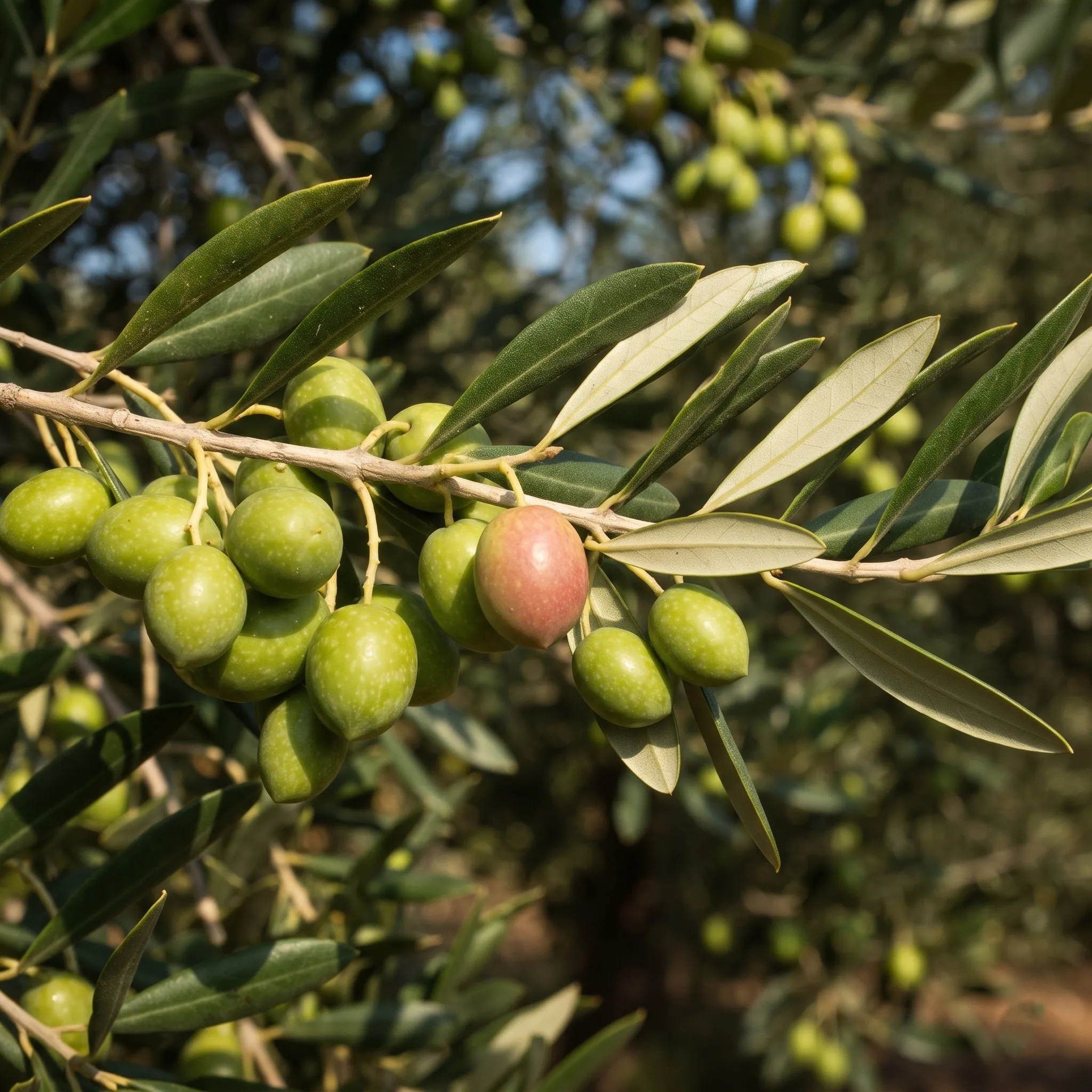
- Fruit Colour: Green when immature, turning purple to dark black when ripe
- Foliage: Narrow green leaves with silvery undersides
- Growth Habit: Compact to medium-sized tree
- Sunlight: Full sunlight
- Watering: Moderate; avoid waterlogging
- Suitable For: Home gardens, sunny patios, large containers and suitable fruit-growing areas
About the Arbequina Olive Tree
The Arbequina Olive Tree is a well-known olive cultivar originating from Catalonia, Spain. Its botanical species is Olea europaea, and Arbequina is the cultivar name.
This olive variety is commercially grown in different parts of the world for olive oil production. It is valued for its relatively compact growth, early bearing potential under suitable conditions and small fruits with good oil quality.
The plant has narrow, leathery evergreen leaves that are green on the upper surface and silvery underneath. As it matures, it develops a woody trunk and spreading branches.
Arbequina Olive Tree – Appearance and Growth Habit
The Arbequina Olive Plant has an attractive, naturally spreading growth habit.
Its main features include:
- Narrow, elongated leaves
- Green upper leaf surfaces
- Silvery leaf undersides
- Fine branches with a graceful appearance
- Woody trunk as the plant matures
- Small olives developing after successful flowering and fruit set
The tree is generally smaller and more compact than many traditional large olive trees. Its mature size depends on growing conditions, pruning and whether it is planted in the ground or a container.
With suitable care, the Arbequina Olive Tree can become an attractive feature tree for a sunny garden.
Arbequina Olive Tree Flowers and Flowering Season
The Arbequina Olive Tree produces small, creamy-white flowers that grow in clusters.
These flowers are important for fruit production because successful pollination and fruit development are needed before olives can form.
- Flower Colour: White to creamy-white
- Flower Size: Small
- Flower Arrangement: Clusters along the branches
- Flowering Period: Usually spring, depending on local climate
- Fragrance: Flowers may have a light fragrance
Flowering depends on suitable seasonal temperatures, adequate sunlight and proper care. Young plants may need time to reach flowering maturity.
Arbequina Olive Tree Fruits and Harvest
The Arbequina Olive Tree is particularly valued as an oil-producing olive cultivar.
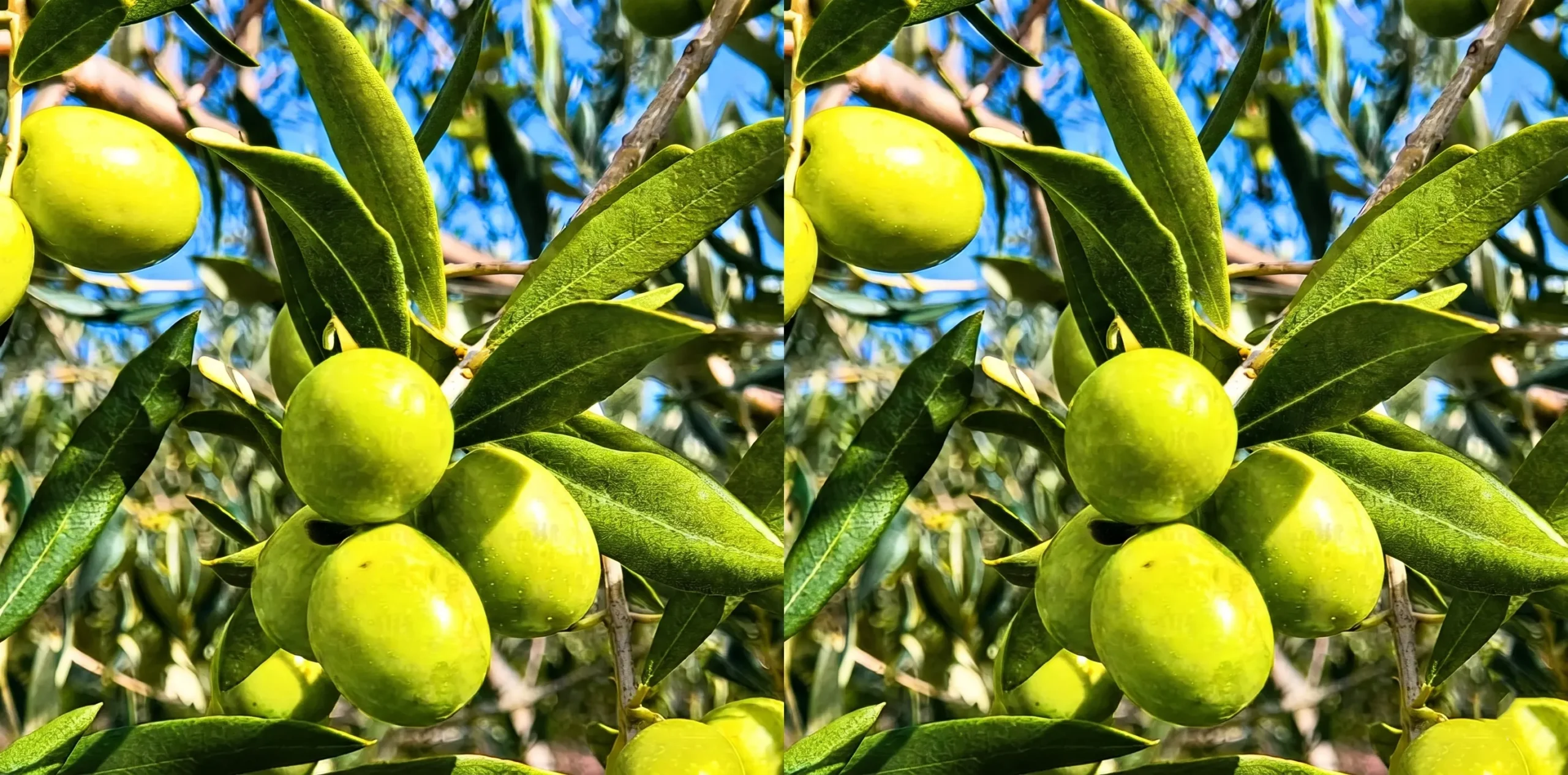
Its fruits are generally small and oval to rounded. They develop from green olives into purple or dark-coloured fruits as they mature.
Fruit characteristics:
- Small, oval to rounded shape
- Green colour during early development
- Purple to dark colour during ripening
- Used commercially for olive oil production
- Can also be prepared as table olives using suitable curing methods
Freshly harvested olives are naturally bitter and require proper curing or processing before consumption.
Fruit production is not guaranteed. Flowering, pollination, temperature, humidity, rainfall and tree maturity all influence the final harvest.
Is the Arbequina Olive Tree Self-Fertile?
The Arbequina Olive Tree is considered partially self-fertile or self-compatible. This means it can produce some fruit without another olive variety nearby under suitable conditions.
However, cross-pollination from another compatible olive cultivar may improve fruit set and production.
If your main purpose is growing olives for harvest, consider planting another compatible cultivar where space allows. Pollination success depends on flowering overlap and local conditions.
Arbequina Olive Tree Sunlight Requirements
The Arbequina Olive Tree needs plenty of direct sunlight for healthy growth and fruit production.
For good growing conditions:
- Provide approximately 6–8 hours of direct sunlight daily.
- Choose an open, sunny outdoor location.
- Avoid dense shade and poorly ventilated corners.
- Allow adequate space around the canopy.
- Maintain good airflow between plants.
Insufficient sunlight can result in weak growth and reduced flowering.
Arbequina Olive Tree Watering Requirements
The Arbequina Olive Tree prefers well-drained soil and moderate watering. Although established olive trees can tolerate some drought, young plants need regular moisture while their roots develop.
For young plants:
- Water when the upper soil layer begins to dry.
- Check soil moisture before each watering.
- Avoid allowing the root zone to remain completely dry for extended periods.
- Ensure excess water drains freely.
For established trees:
- Water during prolonged dry weather.
- Reduce watering during rainy periods.
- Avoid frequent watering when the soil is already moist.
- Never allow water to collect around the roots.
Overwatering is a major risk because olive roots are susceptible to problems in continuously wet soil.
Arbequina Olive Tree Soil and Potting Requirements
The Arbequina Olive Tree grows best in well-drained soil. It should not be planted in heavy, waterlogged soil.
A suitable potting mixture can include:
- 35% garden soil
- 25% coarse sand or another drainage material
- 25% compost or well-rotted organic matter
- 15% cocopeat or another moisture-balancing material
Adjust the mixture according to local soil conditions. In humid and rainy regions, prioritise drainage rather than excessive moisture retention.
For ground planting, select a sunny location where rainwater does not collect.
Growing an Arbequina Olive Tree in the Indian Climate
The Arbequina Olive Tree has a relatively low chilling requirement compared with many olive cultivars. However, climate suitability still matters. Olive trees generally perform best with plenty of sunlight, good drainage and suitable seasonal conditions for flowering.
Summer: Provide full sunlight and water young plants when the soil begins to dry. Avoid keeping the roots constantly wet.
Monsoon: Protect the plant from prolonged waterlogging and ensure rainwater drains quickly.
Winter: Cooler seasonal conditions can support the flowering cycle, depending on the local climate. Avoid excessive irrigation when growth slows.
Important for West Bengal: The warm, humid climate and heavy monsoon rainfall can make olive cultivation challenging, particularly for fruit production. Growing the Arbequina Olive Tree in a large container in a sunny, rain-protected position may offer better control over soil moisture. Fruit production should be considered experimental rather than guaranteed.
Arbequina Olive Tree Temperature and Humidity
Arbequina is adapted to Mediterranean-type growing conditions, with sunny summers and cooler seasonal conditions.
- Preferred Conditions: Sunny, relatively dry growing conditions
- Humidity: Prolonged wetness increases disease risks
- Sunlight: Full sun
- Cold: Protect young plants from severe frost
- Air Circulation: Good airflow is important, especially in humid climates
Avoid locations where the plant remains wet for long periods after rainfall.
Arbequina Olive Tree Fertilizer and Nutrition
Olive trees generally have moderate nutrient requirements. Excessive fertilizer, particularly nitrogen, can encourage leafy growth at the expense of flowering and fruiting.
For healthy growth:
- Add a moderate quantity of well-rotted compost.
- Use a balanced fertilizer according to its label.
- Feed during active growth.
- Avoid over-fertilising.
- Adjust feeding according to soil condition and plant health.
Growing Arbequina Olive Tree in Pots
The Arbequina Olive Tree can be grown in a large container and maintained at a manageable size with suitable pruning.
For successful container cultivation:
- Choose a large, sturdy pot with drainage holes.
- Use a well-draining potting mixture.
- Place the container in a sunny outdoor location.
- Water only when the upper soil layer begins to dry.
- Prune lightly to maintain the desired shape.
- Repot when roots become crowded.
In humid and rainy regions, container growing can make it easier to protect the plant from excessive rainfall and control soil moisture.
Arbequina Olive Tree Pruning and Maintenance
Regular light pruning helps maintain the shape and structure of the tree.
- Remove dead and damaged branches.
- Remove weak or crossing shoots.
- Maintain an open canopy for better airflow.
- Remove unwanted basal shoots when necessary.
- Avoid excessive pruning that removes too much healthy growth.
Avoid heavy pruning immediately after delivery or during extreme weather.
Arbequina Olive Tree Propagation
Arbequina olives can be propagated through semi-hardwood cuttings and other nursery propagation techniques. Seed propagation is also possible, but seedlings may not retain the exact characteristics of the parent cultivar.
For maintaining the true-to-type Arbequina cultivar, vegetative propagation from correctly identified parent stock is generally preferred.
When purchasing an Arbequina Olive Plant, confirm that it is a genuine Arbequina cultivar rather than an unidentified olive seedling.
Common Arbequina Olive Tree Problems and Plant Care
1. Yellowing Leaves
Possible causes include overwatering, poor drainage, nutrient imbalance or root stress. Check the soil before adding fertilizer.
2. Leaf Drop
Some leaf replacement is natural, but excessive leaf drop can indicate water stress, root problems or environmental changes.
3. Poor Flowering
Insufficient sunlight, unsuitable seasonal temperatures, excessive nitrogen or a young plant may affect flowering.
4. Poor Fruit Set
Poor pollination, unsuitable weather during flowering, heavy rain and high humidity can reduce fruit set. A compatible pollinator may help where cross-pollination is needed.
5. Root Rot
Constantly wet soil can cause root damage. Use a well-draining potting mixture and avoid standing water.
6. Scale Insects and Other Pests
Scale insects and other sap-feeding pests may affect olive foliage and branches. Inspect the plant regularly and use an appropriate garden treatment according to its label.
Is the Arbequina Olive Tree Suitable for Home Gardens?
Yes. The Arbequina Olive Tree can be grown as an ornamental evergreen tree in suitable sunny gardens and large containers.
It is suitable for:
- Sunny home gardens
- Large patios
- Mediterranean-style landscapes
- Large decorative containers
- Experimental fruit growing
- Garden collectors interested in olive varieties
In regions with hot, humid summers and heavy monsoon rainfall, growing the plant for foliage and ornamental value may be more predictable than expecting a regular olive harvest.
Safety and Important Information
Olives are edible fruits after appropriate processing. Fresh olives are naturally bitter and require curing or other preparation before eating.
Do not consume unidentified plant parts or use olive leaves as a substitute for prescribed treatment.
Live Arbequina Olive Plant Delivery Information
- You will receive a live Arbequina Olive Plant.
- Natural differences in plant height, stem thickness and leaf development may occur.
- The plant may experience mild stress during transportation.
- Some leaves may turn yellow or fall during transit.
- After delivery, place it in a bright location and gradually adjust it to full outdoor sunlight.
- Check the soil before watering.
- Avoid heavy fertilizer application or unnecessary pruning immediately after delivery.
- Protect the plant from prolonged heavy rain while it adjusts to its new location.
Growth, flowering and fruiting depend on cultivar authenticity, plant maturity, sunlight, temperature, pollination, soil drainage and general care.
Why Choose an Arbequina Olive Tree for Your Garden?
The Arbequina Olive Tree combines attractive evergreen foliage with the possibility of producing small, oil-rich olives. Its relatively compact growth habit and lower chilling requirement compared with many olive varieties make it an interesting cultivar for gardeners.
Whether grown as an ornamental tree or as an experimental fruit plant, the Arbequina Olive Tree can add a distinctive Mediterranean character to a sunny garden.
Botanical Information & Further Reading
- Kew Science – Plants of the World Online: Olea europaea
- Royal Horticultural Society – Common Olive (Olea europaea)
- North Carolina State Extension – Olea europaea
- University of Florida IFAS – Olives
- University of Florida IFAS – Olive Production and Management
- Florida Olive Council – Olive Tree Selection
- International Journal of Fruit Science – Chilling Requirements of Arbequina Olives
Frequently Asked Questions (FAQs)
1. What is the botanical name of the Arbequina Olive Tree?
Its botanical species is Olea europaea, and Arbequina is the cultivar name. The full cultivar name is Olea europaea ‘Arbequina’.
2. Where does the Arbequina Olive Tree originate?
Arbequina is a Spanish olive cultivar originating from Catalonia, Spain.
3. Does the Arbequina Olive Tree produce edible olives?
Yes. It produces small olives that are commercially valued for olive oil. The fruits need proper curing or processing before eating.
4. Is the Arbequina Olive Tree self-pollinating?
It is partially self-fertile or self-compatible and can produce some fruit without another variety nearby. A compatible pollinator may improve fruit set.
5. How long does an Arbequina Olive Tree take to produce fruit?
The time depends on whether the plant is propagated from a mature cutting or grown from seed, along with its growing conditions. A young nursery plant may need several growing seasons before producing a meaningful crop.
6. Can the Arbequina Olive Tree grow in India?
It can be grown experimentally in suitable Indian locations, particularly where it receives full sunlight, has excellent drainage and experiences suitable seasonal conditions. Fruit production varies considerably by region.
7. Can the Arbequina Olive Tree grow in West Bengal?
It may be possible to maintain the tree in West Bengal, especially in a large container with good drainage and protection from prolonged heavy rain. However, the humid climate and monsoon rainfall can make regular flowering and fruit production difficult.
8. Does the Arbequina Olive Tree need full sunlight?
Yes. Provide approximately 6–8 hours of direct sunlight daily for healthy growth and flowering potential.
9. Can I grow an Arbequina Olive Tree in a pot?
Yes. It can be grown in a large container with drainage holes. Regular light pruning can help maintain a manageable size.
10. How often should I water an Arbequina Olive Tree?
Water when the upper layer of soil begins to dry. Avoid frequent watering when the soil is already moist, especially during the monsoon.
11. What colour are Arbequina olives when ripe?
The fruits are green when immature and generally turn purple to dark black as they ripen.
12. Does the Arbequina Olive Tree need winter cold to produce fruit?
It has a relatively low chilling requirement compared with many olive cultivars. However, flowering still depends on seasonal temperature patterns and other environmental conditions.
13. Is the Arbequina Olive Tree evergreen?
Yes. It is an evergreen tree with narrow, leathery leaves. Older leaves are naturally replaced over time.
14. Can Arbequina olives be eaten directly from the tree?
Fresh olives are naturally bitter and are not normally eaten directly after picking. They require suitable curing or processing before consumption.


Reviews
There are no reviews yet.