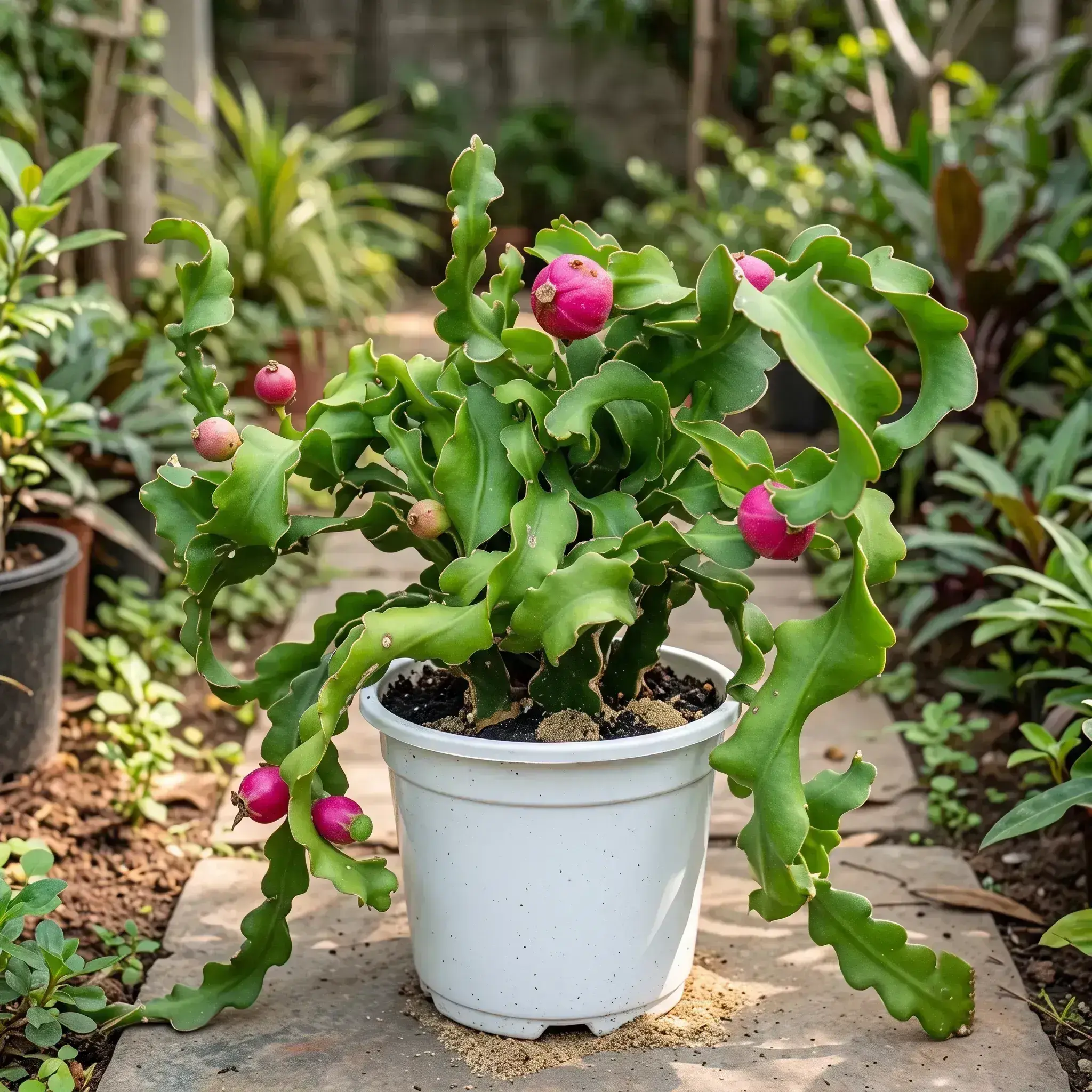
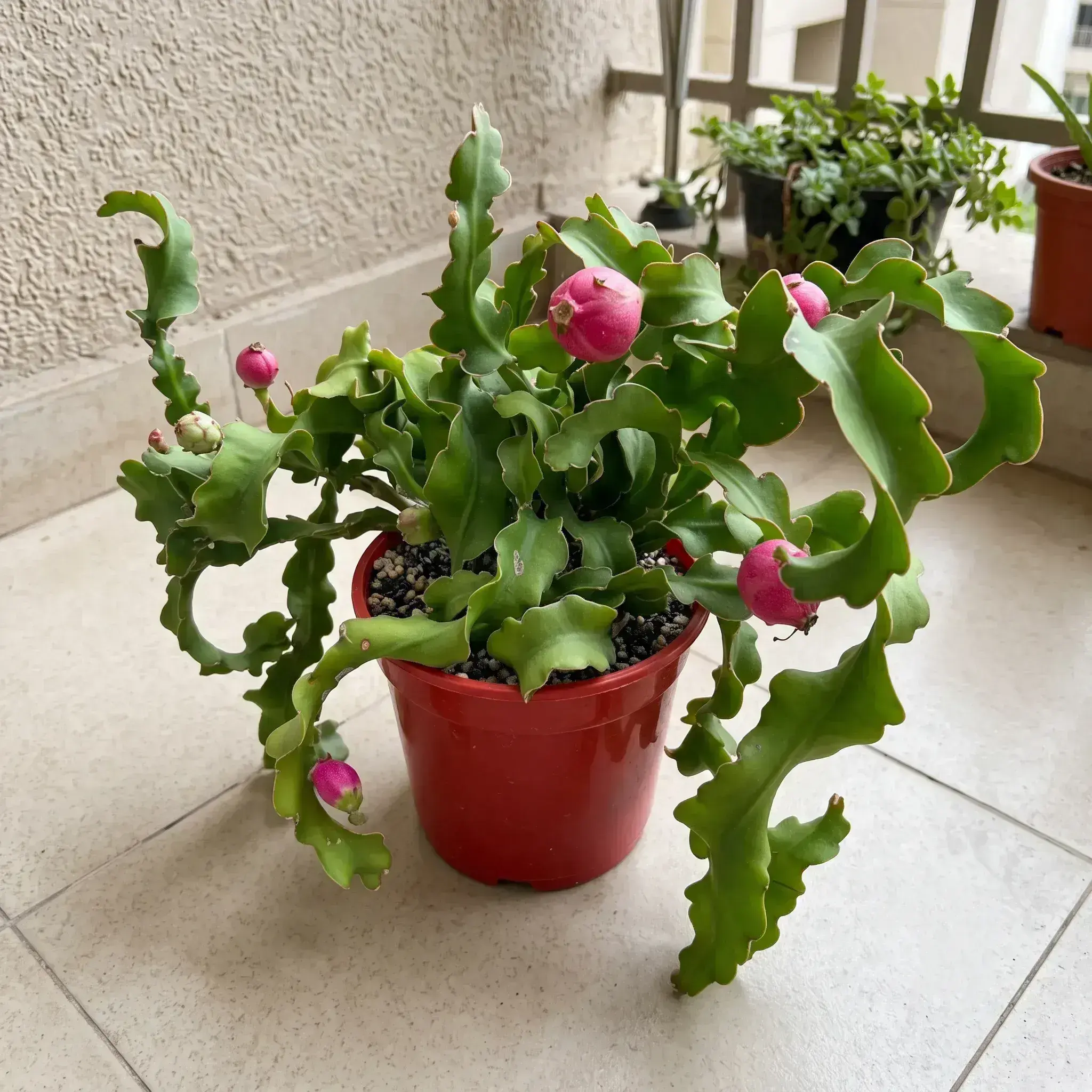
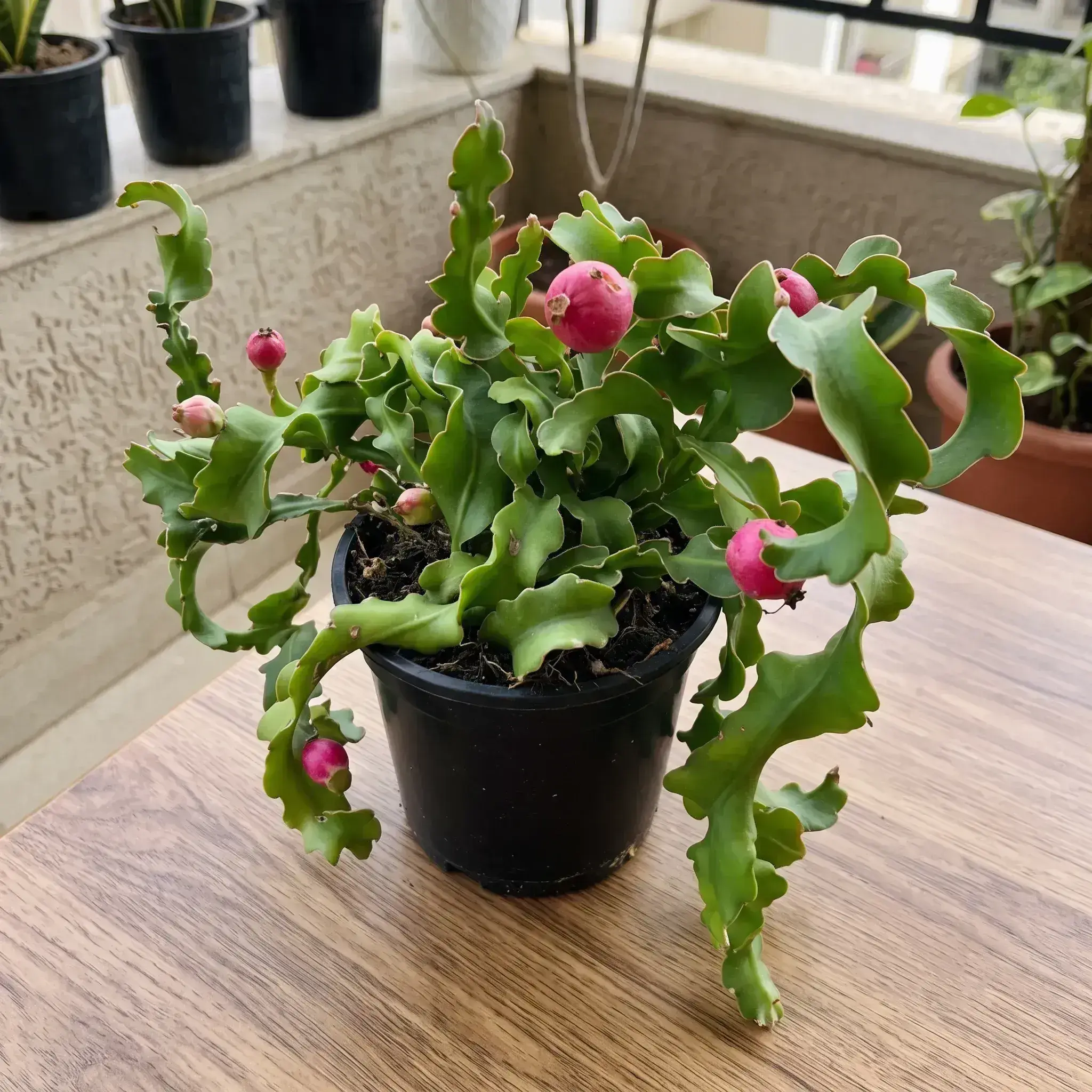
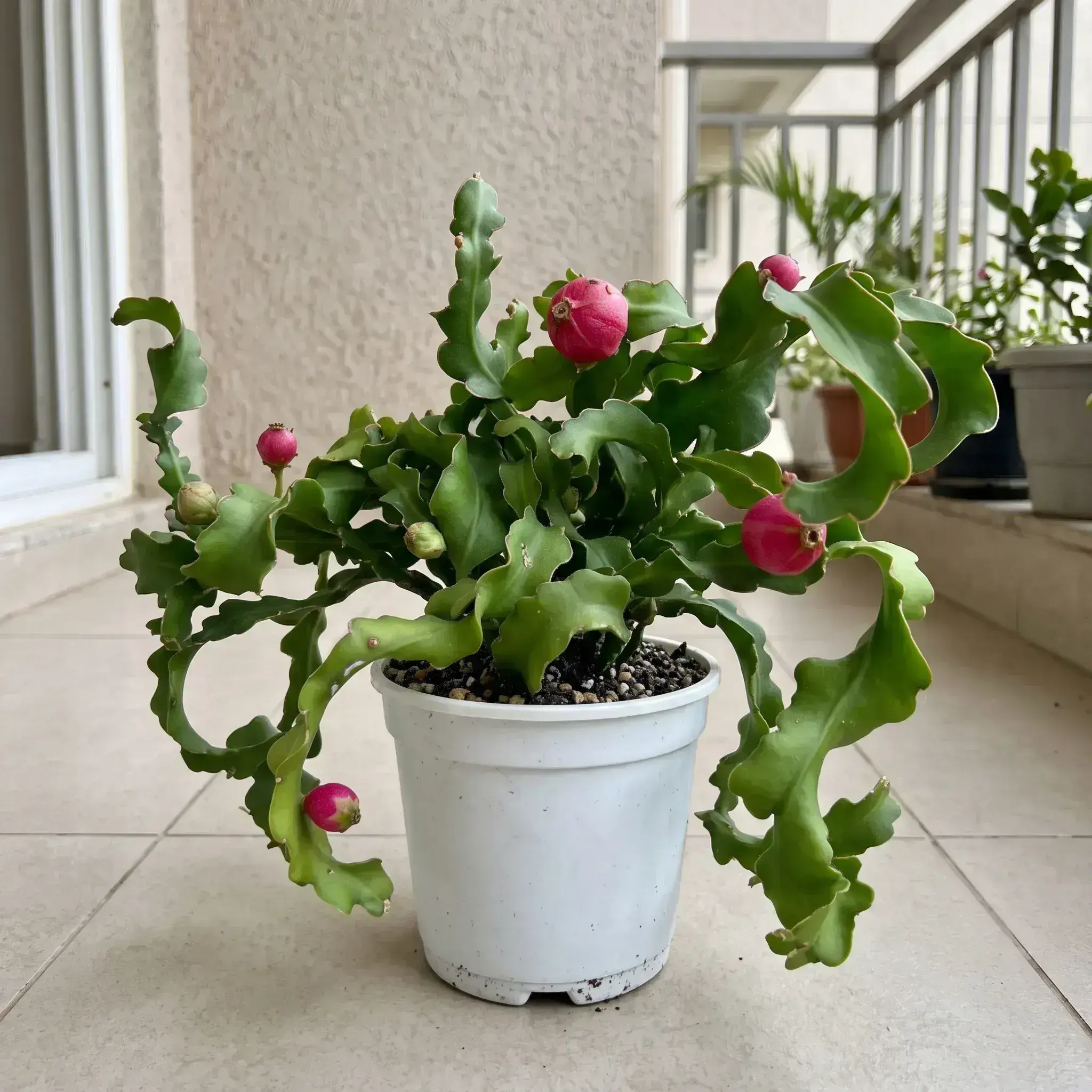
Hanging Mini Dragon Fruit Plant – Dragon Fruit Cactus for Home Garden
The Hanging Mini Dragon Fruit Plant Also known as Dragon Fruit Cactus Plant. This attractive climbing cactus is admired for its fleshy green stems, spreading growth and ability to produce beautiful night-blooming flowers and delicious dragon fruits under suitable growing conditions.
Dragon fruit, also known as Pitaya, belongs to the cactus family. It is a climbing or trailing cactus that develops long, three-sided green stems. When grown in a hanging arrangement or supported container, its stems can spread and cascade beautifully.
The plant is suitable for home gardens, balconies, terraces and sunny outdoor spaces. With proper sunlight, well-draining soil, watering and support, it can become both an ornamental plant and a potential fruit-bearing addition to your garden.
Plant Highlights
- Common Name: Dragon Fruit Plant, Pitaya, Hanging Dragon Fruit Plant, Mini Dragon Fruit
- Botanical Name: Selenicereus species (formerly commonly classified under Hylocereus)
- Family: Cactaceae
- Plant Type: Tropical climbing cactus
- Stem Colour: Green
- Stem Shape: Three-sided or winged fleshy stems
- Growth Habit: Climbing, spreading and trailing
- Flower Colour: Usually white in many cultivated varieties
- Flowering: Large, fragrant flowers that generally open at night
- Fruit: Dragon fruit, depending on species and cultivar
- Light Requirement: Bright light to full sunlight
- Water Requirement: Moderate; allow the soil to partially dry between watering
- Best For: Home gardens, balconies, terraces, hanging arrangements and large containers
About the Hanging Mini Dragon Fruit Plant
Dragon fruit is a tropical climbing cactus grown for its attractive stems, large flowers and edible fruits.
Unlike desert cacti that usually grow as compact plants, dragon fruit develops long, flexible stems that climb using aerial roots. These roots help the plant attach to supports, walls and other surfaces.
The plant can be trained over a suitable support or allowed to cascade from a strong hanging container. Its unusual green stems give it a distinctive appearance compared with ordinary ornamental plants.
Important: “Mini Dragon Fruit” and “Hanging Dragon Fruit” are nursery trade descriptions. They do not necessarily indicate a separate dwarf species or a guaranteed miniature fruit-bearing variety. The exact species and cultivar should be confirmed with the supplier.
Appearance and Growth
Dragon fruit plants have fleshy green stems with three prominent sides or wings. The edges may have small spines or spine-like structures.
As the plant grows, it produces new branches that can spread, climb or hang downward. Mature stems may develop aerial roots that help them attach to nearby supports.
A hanging plant can create an attractive cascading appearance, especially when several healthy stems grow over the edge of a container.
However, dragon fruit is naturally a vigorous climbing cactus. Mature plants may become heavy and require a strong support system.
Flowering and Fruiting
One of the most exciting features of dragon fruit is its large, beautiful flowers.
Many cultivated varieties produce large white, fragrant flowers that open during the night. These flowers are often called Night-Blooming Cereus.
After successful pollination, the flowers may develop into dragon fruits. Depending on the variety, the fruits can have pink, red or yellow skin, with white or red flesh.
For successful flowering and fruiting:
- Provide sufficient sunlight.
- Allow the plant to develop a healthy root system.
- Maintain suitable watering.
- Use fertile but well-draining soil.
- Provide a suitable support structure.
- Ensure successful pollination.
Not all dragon fruit varieties are self-fertile. Some require pollen from a compatible different variety. Hand pollination may improve fruit set when natural pollinators are insufficient.
Please note: Fruit production is not guaranteed. It depends on the plant’s age, variety, growing conditions, flowering and successful pollination.
Sunlight Requirements
Dragon fruit prefers bright light and generally performs well with several hours of sunlight.
- Provide a bright outdoor location.
- Morning sunlight is beneficial.
- Gradually introduce young plants to stronger sunlight.
- Avoid sudden exposure to intense afternoon sun.
- Ensure good air circulation around the stems.
For home gardens in West Bengal, a sunny balcony or terrace can be suitable. During extreme summer heat, monitor the stems for signs of sun stress.
Watering Requirements
Dragon fruit is a cactus, but it generally needs more regular moisture during active growth than many desert cacti.
- Water when the upper portion of the soil begins to dry.
- Water thoroughly but allow excess water to drain.
- Avoid keeping the roots continuously wet.
- Reduce watering during cooler periods.
- Adjust watering during the monsoon according to rainfall.
During hot Indian summers, container-grown plants may need more frequent watering. However, never allow the potting mix to remain waterlogged.
Excess moisture can cause stem rot, root damage and flower problems.
Soil and Potting Mix
Dragon fruit grows best in fertile, loose and well-draining soil.
A suitable potting mixture can include:
- Garden soil for structure
- Coarse sand for drainage
- Compost or vermicompost for organic nutrients
- Perlite or pumice for aeration
- Cocopeat in a limited quantity for moisture retention
Avoid heavy clay soil that holds too much water.
Choose a container with drainage holes. Good drainage is especially important during the rainy season.
Temperature and Humidity
Dragon fruit is a tropical plant that prefers warm growing conditions.
- Protect young plants from prolonged cold exposure.
- Maintain good ventilation.
- Avoid keeping the roots continuously wet.
- Provide suitable moisture during hot weather.
- Protect the plant from prolonged heavy rainfall.
The warm climate of many parts of India is suitable for dragon fruit cultivation when drainage and sunlight are managed properly.
Fertilizer and Plant Nutrition
Balanced nutrition helps dragon fruit develop healthy stems and support flowering and fruiting.
- Add compost or vermicompost periodically.
- Use a balanced fertilizer during active vegetative growth.
- Avoid excessive nitrogen fertilizer.
- Use a suitable flowering or fruiting fertilizer according to its label.
- Apply fertilizer to moist soil.
- Reduce feeding when growth slows.
Young plants benefit from establishing healthy roots and stems before being encouraged to produce fruit.
Growing Hanging Mini Dragon Fruit in Pots
Dragon fruit can be grown in containers, but the container must be suitable for its growth habit.
For a hanging arrangement:
- Choose a strong container with adequate drainage.
- Use a lightweight but well-draining cactus potting mix.
- Make sure the hanging hook or support can carry the mature plant’s weight.
- Allow enough space for stems to spread.
- Provide a bright outdoor location.
- Check the container and hanging support regularly.
Growing tip: A hanging basket is useful for ornamental cascading growth, but a fruit-producing dragon fruit plant usually benefits from a sturdy vertical support and a strong top frame. A mature plant can become too heavy for an ordinary hanging basket.
Growing Dragon Fruit in a Home Garden
Dragon fruit is suitable for home gardens, balconies and terrace gardens.
It can be grown in:
- Large garden containers
- Sunny terrace gardens
- Balcony gardens
- Strong hanging arrangements for ornamental growth
- Vertical support structures
- Fruit-growing garden areas
For productive cultivation, train the main stem upward along a strong post. Once it reaches the top, allow selected branches to spread and hang downward.
This structure supports healthy branching and makes flowering and fruit harvesting easier.
Pruning and Maintenance
Regular pruning helps control the plant’s growth and maintain healthy stems.
- Remove dead or damaged stems.
- Remove weak and overcrowded branches.
- Guide the main stem along its support.
- Tie stems loosely using soft plant ties.
- Allow selected healthy branches to spread at the top.
- Remove unwanted growth that touches the ground.
Avoid cutting healthy stems unnecessarily, especially when the plant is developing flowers or fruits.
Propagation
Dragon fruit is commonly propagated through stem cuttings.
Propagation through stem cuttings:
- Select a healthy, mature green stem.
- Cut a suitable section using clean pruning tools.
- Allow the cut surface to dry and form a callus.
- Plant the cutting in a well-draining cactus potting mix.
- Keep it in a warm location with bright indirect light.
- Water lightly and avoid waterlogging.
- Gradually introduce the rooted plant to brighter sunlight.
Propagation from cuttings is generally faster than growing dragon fruit from seeds.
Common Problems and Solutions
Yellow or Pale Stems: May result from excessive sunlight, watering problems or nutrient imbalance. Review the plant’s growing conditions.
Soft or Mushy Stems: Often indicate excessive moisture and possible rot. Check drainage and remove badly affected sections.
Slow Growth: Insufficient light, poor soil or an unhealthy root system may affect growth.
Stem Shrivelling: Can occur when the plant is too dry or its roots are damaged. Check soil moisture and root health before watering.
Flower Drop: Can be associated with excessive moisture, irregular watering, unsuitable conditions or pollination problems.
Mealybugs and Scale Insects: These pests may affect the stems. Inspect the plant regularly and use an appropriate plant-safe treatment when necessary.
Is Hanging Mini Dragon Fruit Suitable for Home and Office?
Yes. Dragon fruit can be grown as an ornamental plant in bright homes, balconies and outdoor office spaces.
Its unusual green stems make it an attractive addition to cactus and succulent collections. A hanging arrangement can create a cascading appearance, while a trellis-trained plant is more suitable when fruit production is the main goal.
It needs bright natural light, so a dark indoor office corner is not suitable for long-term healthy growth.
Safety and Handling
Dragon fruit stems may have small spines or sharp spine-like structures, depending on the variety.
- Handle the stems carefully.
- Wear gloves when pruning or propagating.
- Keep the plant away from areas where people may accidentally brush against it.
- Use stable hanging hooks and supports.
- Keep cuttings and pruning tools away from children.
Live Plant Delivery Information
Live plants are natural products, so the delivered plant may have slight differences in stem length, thickness, branching and overall shape compared with photographs.
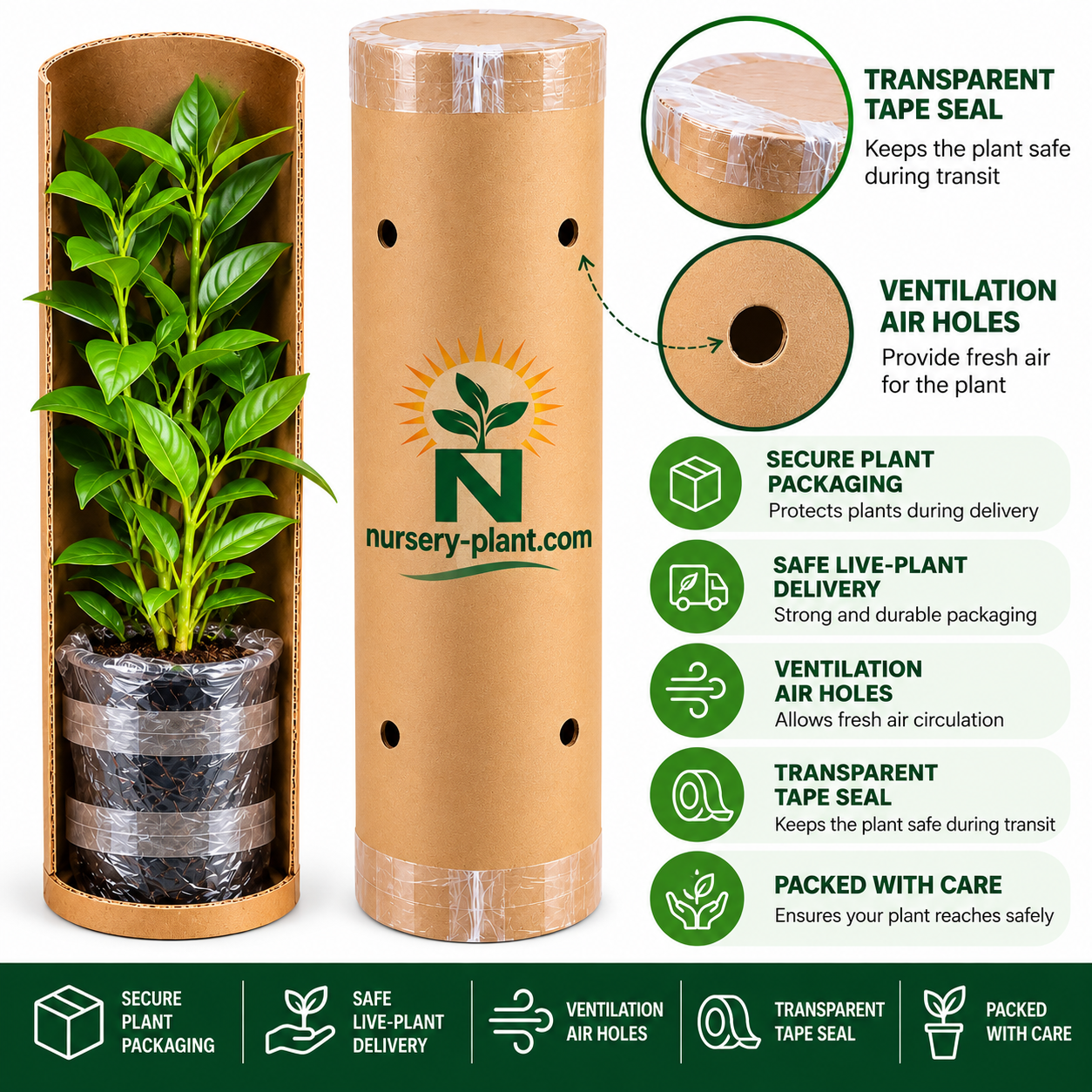
Some temporary bending or stress can occur during transportation. After delivery, place the plant in a bright, ventilated location and allow it to adjust. Check the soil before watering and avoid immediate repotting or heavy fertilizing.
Why Choose a Hanging Mini Dragon Fruit Plant?
- Attractive tropical cactus appearance
- Unusual fleshy green stems
- Suitable for hanging and decorative arrangements
- Can be grown in pots and home gardens
- Potential to produce large night-blooming flowers
- May produce edible dragon fruits under suitable conditions
- Suitable for balconies and terrace gardens
- A distinctive addition to cactus and fruit plant collections
Botanical Information & Further Reading
Learn more about dragon fruit cultivation, plant care and fruit production:
- ICAR-CIARI – Dragon Fruit Production Technology
- University of Florida – Pitaya (Dragonfruit) Growing in the Home Landscape
- Assam Agricultural University – Dragon Fruit Package of Practices
- Vikaspedia – Dragon Fruit Cultivation and Propagation
- ICAR – Dragon Fruit Training and Pruning Information
- University of Guam – Dragon Fruit Production Guide
Frequently Asked Questions
1. What is the botanical name of the Dragon Fruit Plant?
Dragon fruit belongs to the cactus genus Selenicereus. Many commercially grown varieties were formerly classified under Hylocereus. The exact species depends on the plant variety.
2. Can I grow a Mini Dragon Fruit Plant in a hanging basket?
Yes. It can be grown in a strong hanging container for ornamental cascading growth. Make sure the basket and hook can support the plant’s weight as it develops.
3. Does the Hanging Dragon Fruit Plant produce fruits?
It may produce fruit when mature and grown under suitable conditions. Flowering, pollination and the plant’s variety all influence fruit production.
4. Does Dragon Fruit need direct sunlight?
It prefers bright light and several hours of sunlight. Gradually acclimatize young plants to direct sunlight to prevent sun damage.
5. How often should I water a Dragon Fruit Plant?
Water when the upper portion of the soil begins to dry. Avoid overwatering and make sure excess water drains freely.
6. Can Dragon Fruit grow in West Bengal?
Yes. Warm conditions in West Bengal can support dragon fruit cultivation. Protect the plant from prolonged heavy monsoon rainfall and ensure good drainage.
7. How can I propagate a Dragon Fruit Plant?
Stem cuttings are commonly used. Allow the cut surface to dry and callus before planting in a well-draining cactus mix.
8. Does Dragon Fruit produce flowers?
Yes. Mature plants can produce large, fragrant flowers that usually open at night.
9. Does one Dragon Fruit Plant produce fruits by itself?
Some varieties are self-fertile, while others need pollen from a compatible different variety. Check the cultivar’s pollination requirements for reliable fruit production.
10. Does Dragon Fruit need a support structure?
Yes, especially when grown for fruit. A strong post and top support frame help the climbing stems grow properly and support the weight of mature branches.
11. Is Dragon Fruit a cactus?
Yes. Dragon fruit belongs to the cactus family Cactaceae, although its climbing growth habit is different from many desert cacti.
12. How long does Dragon Fruit take to produce fruits?
The time depends on the variety, starting plant size and growing conditions. Established plants from healthy cuttings may flower and fruit relatively early, but fruiting is not guaranteed in a particular year.
For More Information
Visit: Nursery-Plant.Com
For Contact Visit:Contact Us
For Shopping Visit: Shop Page


Reviews
There are no reviews yet.