
🌿 About the Thai Sweet Karonda Plant
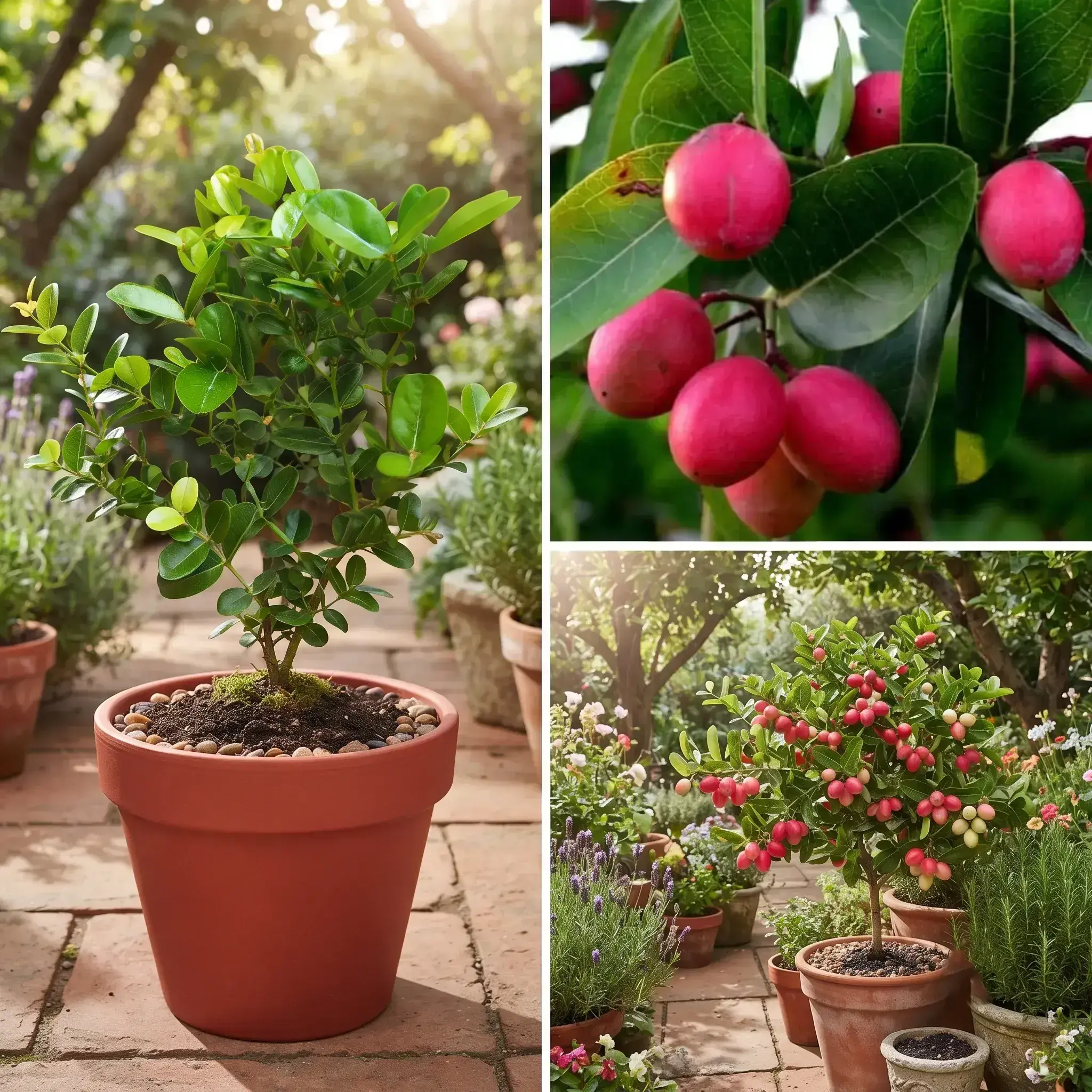
The Thai Sweet Karonda Plant is a popular fruiting plant for gardeners who want to grow fresh karonda berries at home. Karonda is a hardy evergreen shrub known for its attractive foliage, fragrant flowers and small edible fruits.
The botanical name commonly associated with Indian karonda is Carissa carandas L., belonging to the Apocynaceae family. Kew currently accepts Carissa carandas as a species native to India and southeastern Bangladesh.
In India, karonda is also known by regional names such as Karaunda,, Karvanda, Karakka and Kerendokuli. An ICAR publication describes it as an indigenous evergreen shrub or small tree that is frequently cultivated for its edible fruits.
🍒 Sweet Karonda Fruits
The Thai Sweet Karonda name is used in the nursery trade for selected karonda plants marketed for their comparatively sweeter fruit.
Karonda fruits can develop through different colours as they mature, and the exact fruit size, sweetness, colour, acidity and seed characteristics can vary with the particular plant selection and growing conditions.
The fruits can be enjoyed when properly mature and are also traditionally used in Indian food preparation, preserves and other culinary applications.
🌱 Attractive Evergreen Fruit Plant
Karonda is more than just a fruit plant. It can also be an attractive garden shrub.
The plant generally features:
- 🍃 Dense green foliage
- 🌸 Small white to pinkish flowers
- 🍒 Attractive developing fruits
- 🌿 Evergreen growth in suitable climates
- 🌳 Compact shrub-like habit
- 🏡 Good suitability for Indian home gardens
Indian agricultural documentation describes karonda as an evergreen shrub or small crooked tree, with leathery green leaves, white or pink flowers and edible berries.
☀️ Sunlight Requirements
Karonda is well suited to bright, sunny Indian garden conditions.
For healthy growth:
- Provide full sunlight whenever possible.
- Choose an open location with good air circulation.
- Morning and afternoon sunlight are beneficial.
- Avoid keeping the plant permanently in deep shade.
- Gradually acclimatise nursery-grown plants to strong sunlight after delivery.
Good sunlight is particularly useful when the goal is flowering and fruit production.
💧 Watering
Karonda is relatively adaptable once established, but young plants benefit from regular watering.
Follow this simple routine:
- Check the soil before watering.
- Water when the upper layer begins to dry.
- Water thoroughly but allow excess water to drain.
- Avoid keeping the roots continuously waterlogged.
- Give additional water during prolonged hot and dry weather.
- Reduce unnecessary watering during heavy monsoon periods.
Good drainage is especially important for container-grown plants.
🪴 Soil & Potting
Karonda can tolerate a range of soils, but a fertile, well-draining growing medium is ideal for home cultivation.
For a container, a practical mix can include:
- Garden soil
- Compost or well-rotted organic manure
- Cocopeat
- Coarse sand or another drainage material
Always use a container with sufficient drainage holes.
🌱 Fertilizer & Nutrition
For healthy growth, provide balanced nutrition during the active growing season.
Suitable options include:
- 🌿 Compost
- 🌱 Vermicompost
- 🪴 Well-rotted organic manure
- 🍒 Fruit-tree fertilizer
- 🌿 Micronutrients when required
Avoid excessive fertilizer. Healthy sunlight, soil structure, moisture management and drainage are equally important.
For commercial fruit cultivation, fertilizer application should be based on soil condition, plant age and local agricultural recommendations.
🌸 Flowers & Fruit Development
Karonda produces attractive small flowers, followed by berry-like fruits.
A young nursery plant may need time to establish before flowering and fruiting.
Fruit production depends on:
- Plant age
- Variety or nursery selection
- Sunlight
- Climate
- Soil
- Nutrition
- Water management
- Pollination
- Overall plant health
Therefore, fruiting is not guaranteed immediately after purchase.
🍒 Growing Thai Sweet Karonda in Indian Gardens
This plant is particularly suitable for gardeners looking for a low-maintenance fruiting shrub for Indian conditions.
It can be grown in:
🏡 Home Garden:
Plant in a sunny location for attractive foliage, flowers and fruit.
🪴 Terrace Garden:
Suitable for a large container with good drainage and sufficient sunlight.
🌿 Balcony Garden:
Possible while the plant is maintained at a manageable size and receives adequate sunlight.
🌱 Kitchen/Fruit Garden:
A useful addition to a home collection of edible fruit plants.
🌳 Farm or Orchard:
Suitable for growers in regions where local climate and soil conditions support karonda cultivation.
✂️ Pruning & Plant Shape
Karonda can be maintained as a compact shrub through appropriate pruning.
Remove:
- Dead branches
- Damaged growth
- Weak shoots
- Crossing branches
- Unwanted basal growth
- Excessively long branches when necessary
Pruning can also help maintain a neat shape in containers and small home gardens.
🌿 Karonda as a Garden Border Plant
Karonda can also be useful as a garden border or hedge plant because it naturally develops dense branching and has thorns.
The plant’s branches can carry simple or forked thorns, so choose its location carefully around children, pets and frequently used pathways. Indian agricultural documentation specifically records these thorns on Carissa carandas.
For a home garden, avoid placing thorny branches directly beside narrow walkways or seating areas.
🍒 Traditional Indian Fruit Plant
Karonda has a long association with Indian gardens and traditional food preparation.
ICAR’s documentation identifies karamcha/karaunda as regional names and describes the plant as being frequently cultivated for its edible fruits.
This makes the plant an interesting choice for gardeners who want to grow a traditional Indian fruiting shrub alongside more familiar fruit trees.
🏡 Pot or Ground Planting?
For pots:
Choose a large container with good drainage and provide full sunlight. Regular pruning can help keep the plant manageable.
For ground planting:
Choose an open sunny location and provide sufficient room for the shrub to branch naturally.
Because karonda can develop thorny branches, leave suitable space around paths, entrances and children’s play areas.
🌱 Long-Term Plant Growth
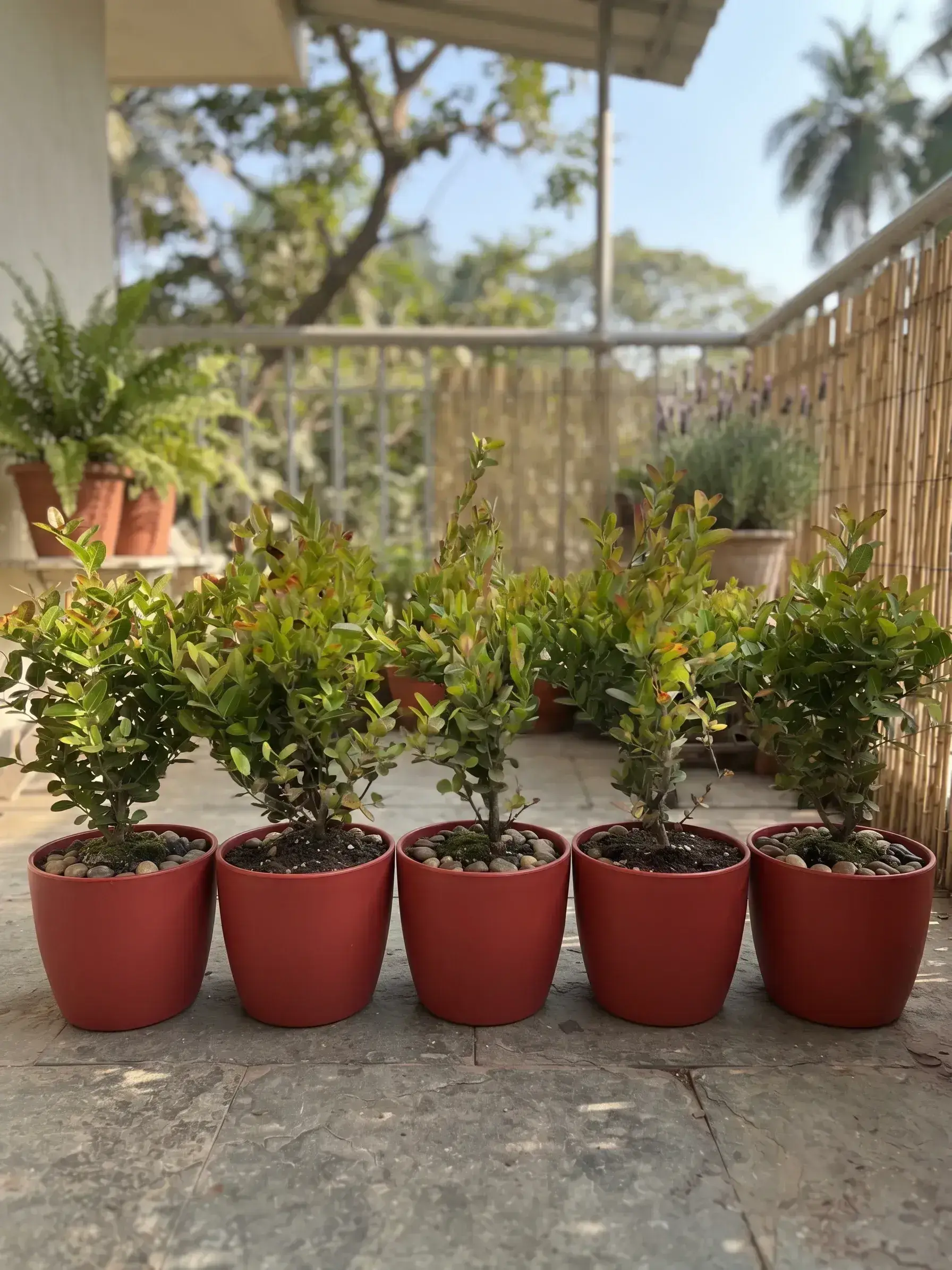
Although the plant may arrive as a compact nursery specimen, karonda is naturally an evergreen shrub or small tree.
An ICAR reference describes Carissa carandas as an indigenous evergreen shrub or small crooked tree that can reach around 3 metres in height.
Actual mature size varies with variety, climate, soil, pruning and growing conditions.
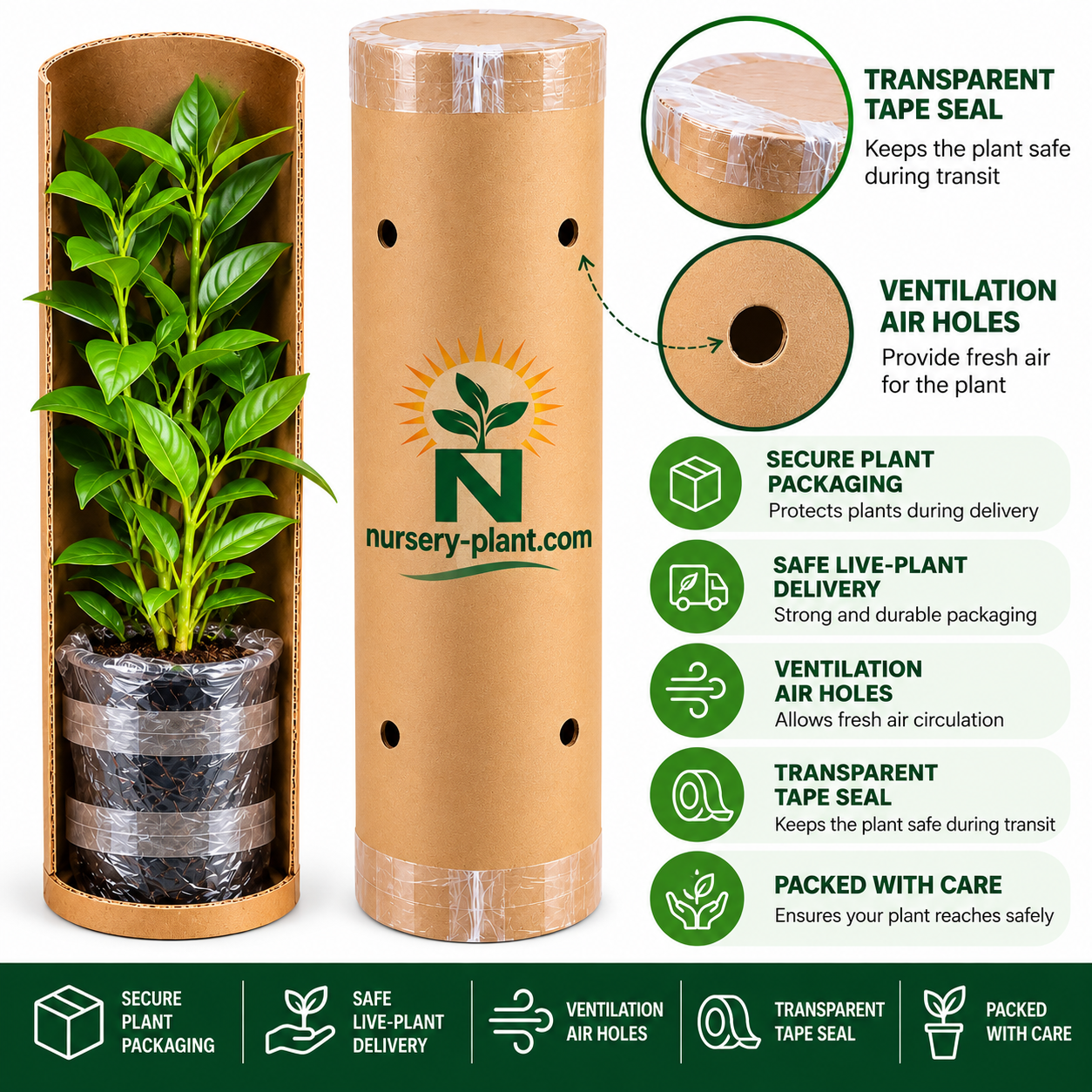
📦 Live Plant Delivery & Natural Variation
This is a live plant, so its appearance may naturally vary from product photographs.
You may notice:
- Slight differences in plant height
- Variation in leaf size
- Different numbers of leaves
- Differences in branching
- Minor leaf yellowing
- Temporary leaf drooping after transportation
- Differences in stem thickness
Transportation can temporarily stress a plant because of changes in light, temperature, humidity and watering.
After receiving the plant:
- Carefully remove the packaging.
- Place it in a bright location.
- Gradually acclimatise it to direct sunlight.
- Water according to soil moisture.
- Avoid heavy fertilizer immediately after delivery.
- Allow the plant time to settle and produce fresh growth.
⚠️ Important Fruiting Note
The term “Thai Sweet” is retained as the product’s nursery/variety name. Exact fruit characteristics can vary between nursery selections.
The plant should not be considered a guarantee of a particular fruit size, sweetness, harvest quantity or fruiting period.
Flowering and fruiting depend on plant maturity, climate, sunlight, nutrition, watering and general care.
🌱 Why Choose Thai Sweet Karonda?
- 🍒 Attractive edible fruit plant
- 🌿 Evergreen garden shrub
- ☀️ Suitable for sunny Indian gardens
- 🏡 Excellent choice for home gardening
- 🪴 Suitable for large pots and containers
- 🌸 Produces attractive flowers
- 🍒 Grows edible karonda fruits
- 🌱 Suitable for traditional fruit gardens
- 🌳 Can also be maintained as a garden shrub or hedge
- 🇮🇳 Well suited to suitable Indian growing conditions
🌿 Botanical Information
- Botanical Name: Carissa carandas L.
- Family: Apocynaceae
- Common Names: Karonda, Karaunda, Karamcha, Karvanda
- Product Name: Thai Sweet Karonda
- Plant Type: Evergreen fruiting shrub/small tree
- Fruit: Edible karonda berries
- Growth Habit: Shrub/small tree
- Native Range: India and southeastern Bangladesh
🔗 Botanical Information & Further Reading
For the accepted scientific name, family and native distribution of Carissa carandas, see Kew – Plants of the World Online: Carissa carandas.
For Kew’s botanical information and documented common names, see Kew – Carissa carandas General Information.
For Indian names, plant characteristics, flowers, fruits and traditional documentation, see ICAR – Geographical Indications of Plant Species in Traditional Agricultural Knowledge.
For the current Kew treatment of related Carissa species and taxonomy, see Kew – Plants of the World Online: Carissa.
For More Information Visit: Nursery-Plant.Com
For Contact Visit:Contact Us
For Shopping Visit: Shop Page


Reviews
There are no reviews yet.