Eucalyptus Plant / Nilgiri Plant / Safeda Plant
🌿 About Eucalyptus / Nilgiri / Safeda Plant
Bring a beautiful, aromatic and fast-growing tree to your garden with this Eucalyptus / Nilgiri / Safeda live plant.
Eucalyptus plants are evergreen trees or shrubs known for their aromatic foliage, attractive growth habit and distinctive bark. They are widely grown as ornamental and landscape trees in suitable climates.
Because Eucalyptus is a large genus with many species, the common nursery names Nilgiri, Safeda and Eucalyptus can refer to different species. This product is therefore described at the genus level rather than assigning an unverified species name. Kew recognizes Eucalyptus as an accepted genus in the family Myrtaceae, with hundreds of accepted species.
🌱 Botanical Information
- Common Names: Eucalyptus, Nilgiri, Safeda
- Botanical Genus: Eucalyptus
- Family: Myrtaceae
- Plant Type: Evergreen tree or shrub
- Growth Habit: Upright and tree-forming
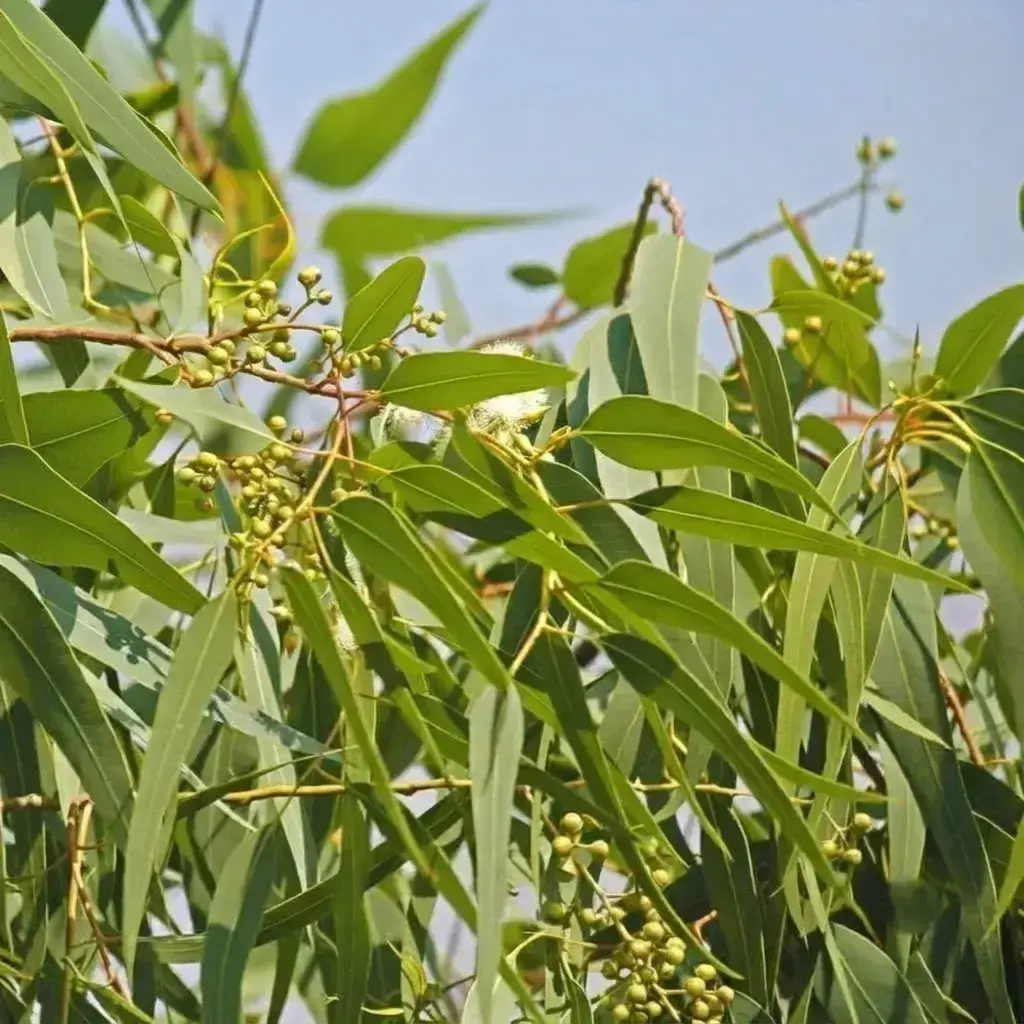
- Foliage: Aromatic green, blue-green or silvery foliage depending on species
- Growth Rate: Many species are fast-growing
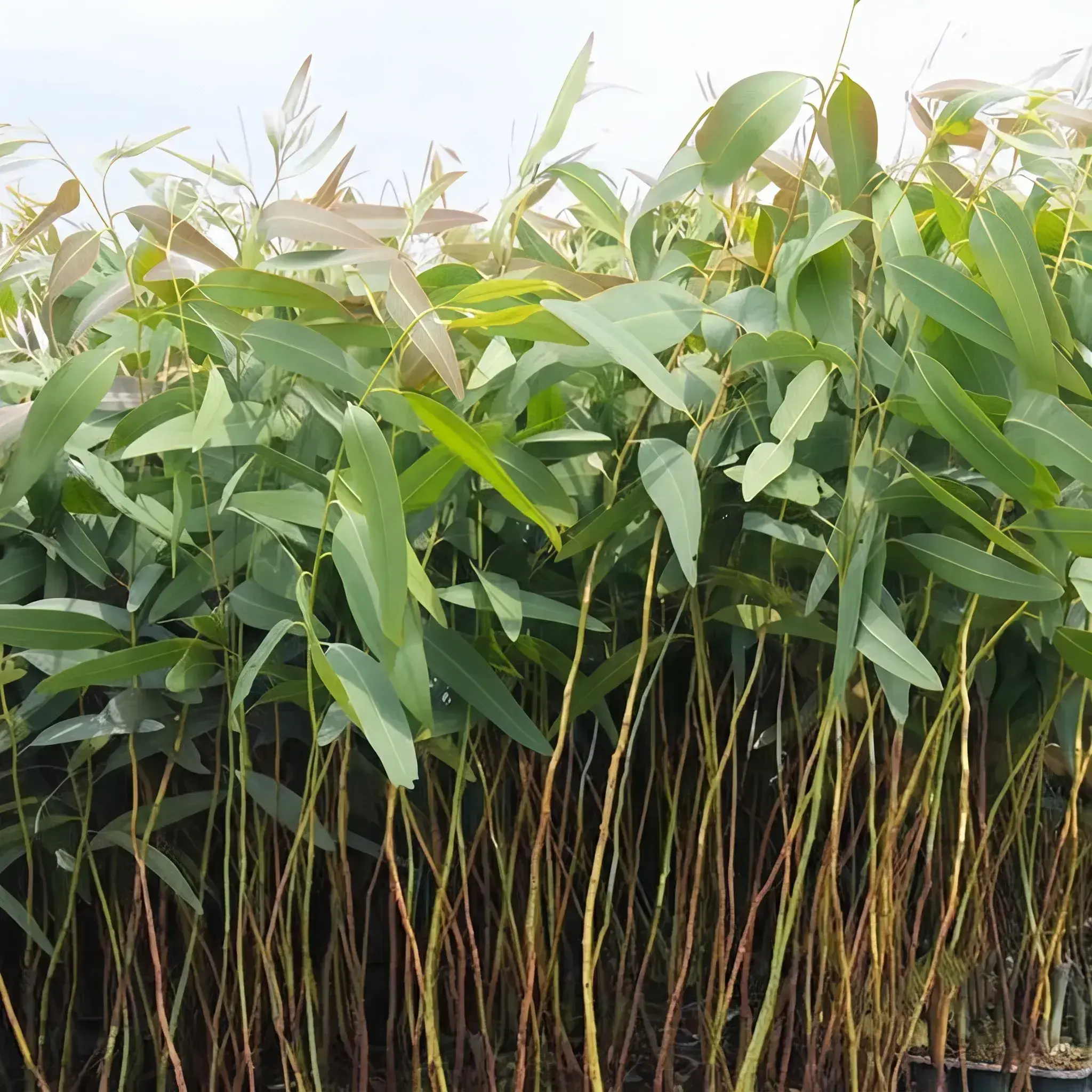
- Plant Size: Approximately 1 foot or longer at dispatch, depending on available stock
- Suitable For: Home gardens, larger gardens, landscapes and outdoor spaces
- Container Growing: Suitable for young plants, but many species eventually require substantial space
RHS describes eucalyptus as a genus of evergreen trees and shrubs, with many species valued for aromatic foliage and ornamental bark.
🍃 Attractive Aromatic Foliage
One of the most recognizable features of eucalyptus is its aromatic foliage.
Depending on the species, leaves may appear:
- 🌿 Green
- 💚 Blue-green
- 🌫️ Silvery-green
- 🍃 Rounded when young
- 🌱 Long and narrow as the plant matures
Many eucalyptus species develop a different juvenile leaf form before producing their mature foliage. The leaves of many species contain aromatic oils and can release a distinctive fragrance when crushed.
🌳 Fast-Growing Garden Tree
Eucalyptus is popular partly because many species can grow rapidly, particularly during their early years.
RHS notes that eucalyptus can typically grow around 1 metre or more per year under suitable conditions, although the actual growth rate varies considerably between species and growing environments.
Growth depends on:
- ☀️ Sunlight
- 💧 Water availability
- 🌱 Soil quality
- 🌡️ Climate
- 🌿 Species
- 🪴 Container size
- 🌳 Available root space
Therefore, “fast growing” should be understood as a general characteristic of many eucalyptus species rather than a guaranteed growth rate.
🏡 Suitable for Home Garden
This young Eucalyptus plant can be a good choice for outdoor garden planting where sufficient space is available.
It can be used as:
- 🌳 Garden tree
- 🌿 Landscape plant
- 🏡 Outdoor ornamental tree
- 🌱 Young specimen plant
- 🌳 Background planting
- 🌿 Large garden feature
- 🌱 Future shade/landscape tree
Before planting in the ground, consider the eventual size of the particular eucalyptus species because some can become very large trees. RHS specifically recommends checking eventual height before planting.
☀️ Sunlight Requirements
Eucalyptus generally performs best in full sun.
For healthy growth:
- Choose an open and bright outdoor location.
- Provide plenty of direct sunlight.
- Avoid permanently shaded areas.
- Give the young plant enough space for its canopy and roots.
- Acclimatise nursery-grown plants gradually if they have been kept under shade.
RHS recommends full sun for eucalyptus and notes that most species prefer sunny conditions.
💧 Watering Guide
Young eucalyptus plants need regular watering while they establish their root system.
Follow this routine:
- Check the soil moisture before watering.
- Water deeply around the root zone.
- Allow excess water to drain away.
- Avoid permanently waterlogged soil.
- During hot and dry weather, check young plants more frequently.
- Once well established, many eucalyptus species become considerably more drought tolerant.
RHS recommends watering newly planted eucalyptus well during establishment and providing additional water during dry spells until the tree is well rooted.
🪴 Soil Requirements
Eucalyptus generally prefers well-drained soil and can tolerate a range of soil types depending on species.
For garden planting:
- Use well-drained soil.
- Avoid locations where water remains stagnant.
- Improve heavy compacted soil where necessary.
- Do not keep the root zone continuously saturated.
RHS states that most eucalyptus grow well in well-drained conditions and many soil types, while waterlogged soil should generally be avoided.
🌱 Growing in a Pot
A young Eucalyptus plant can be maintained temporarily in a container.
For container growing:
- Choose a pot with drainage holes.
- Use a well-draining growing medium.
- Place the pot in full sun.
- Keep the growing medium appropriately moist during active growth.
- Repot when roots become crowded.
- Move to a larger container as the plant develops.
RHS recommends large containers for eucalyptus, ideally around 60 cm or more in diameter, because these are vigorous plants with substantial root systems.
🌳 Choosing the Right Planting Location
Think about the plant’s future size, not only its current 1-foot-plus height.
Many eucalyptus species eventually become large trees. RHS notes that some can grow to very substantial heights and recommends checking the eventual dimensions before purchase and planting.
Keep sufficient distance from:
- 🏠 Buildings
- 🧱 Walls
- ⚡ Utility infrastructure
- 🚰 Underground services
- 🌳 Other large trees
- 🚶 Narrow pathways
For small gardens, maintaining the plant in a suitable container or selecting a naturally smaller eucalyptus species may be more appropriate.
✂️ Pruning & Shape Management
Eucalyptus can be pruned when necessary to manage size and encourage attractive juvenile foliage, depending on the species and desired form.
Pruning can help:
- Control height
- Maintain a manageable shape
- Remove damaged branches
- Encourage bushier juvenile growth
- Manage plants in smaller spaces
RHS notes that eucalyptus can be pruned to keep vigorous plants more compact, and different pruning approaches can be used when juvenile foliage is desired.
🌿 Attractive Bark & Mature Appearance
Many eucalyptus species develop interesting bark as they mature.
Depending on the species, bark can become:
- Grey
- Brown
- Cream
- White
- Greenish
- Smooth and peeling
- Rough or fibrous
This makes mature eucalyptus attractive as architectural landscape trees. RHS highlights colourful or peeling bark as one of the major ornamental features of many eucalyptus species.
🌼 Flowers & Wildlife
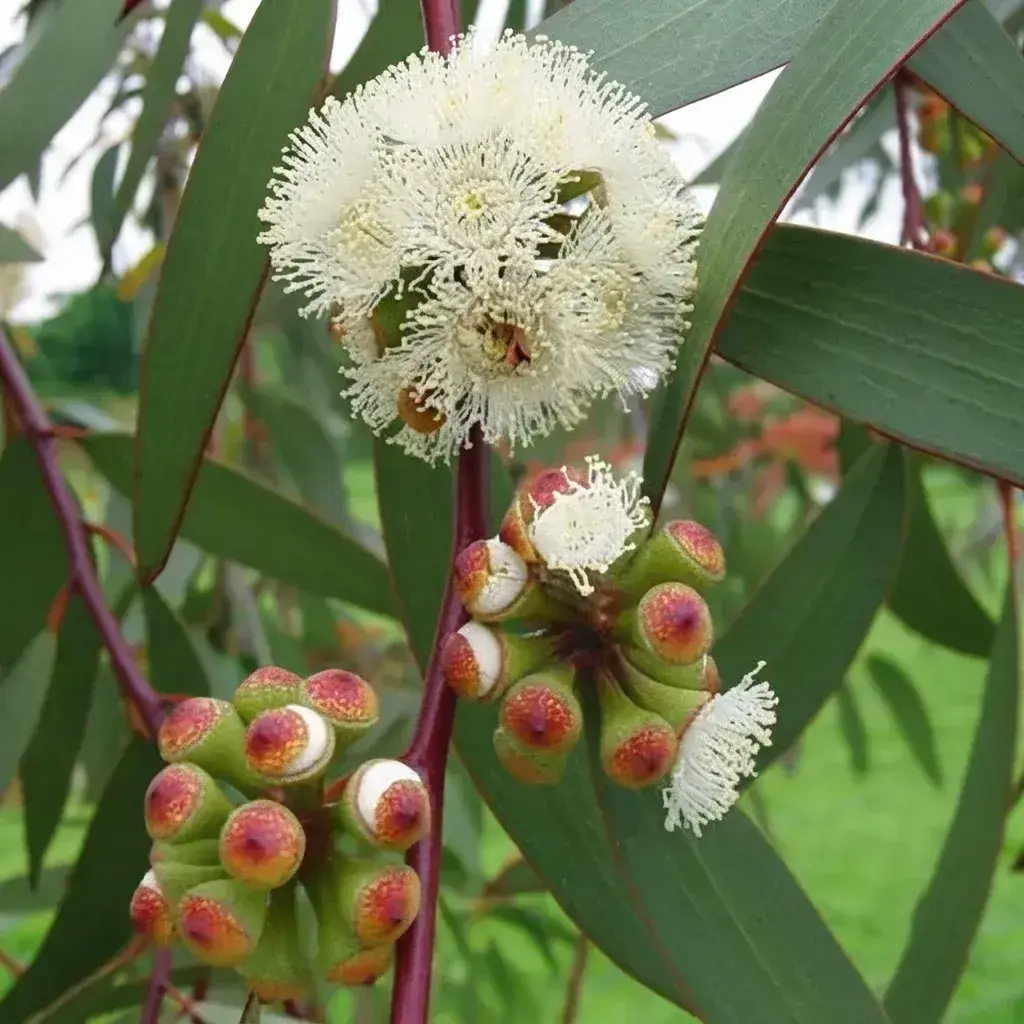
Mature eucalyptus trees can produce attractive clusters of flowers, commonly in white, cream, yellow or reddish shades depending on species.
The flowers are rich in nectar and can attract bees and other pollinating insects.
Flowering usually depends on the species, age, climate and growing conditions, so a young nursery plant should not be expected to flower immediately.
🌡️ Suitable Climate
Eucalyptus species are adapted to a wide range of climates, but individual species have different temperature and moisture requirements.
For a young plant:
- ☀️ Provide plenty of sunlight.
- 🌡️ Protect from unsuitable extreme cold where relevant.
- 💧 Maintain adequate moisture while establishing.
- 🌱 Provide well-drained soil.
- 💨 Give the plant reasonable airflow.
- 🌳 Allow sufficient long-term growing space.
Since the exact eucalyptus species can vary, local climate suitability should be considered before permanent planting.
🇮🇳 Eucalyptus in India
Eucalyptus is widely cultivated and introduced in India, although the exact species and suitability vary by region and purpose. Kew records the Eucalyptus genus as introduced into India, among many other regions outside its native range.
For home gardening, the important considerations are species selection, available space, sunlight, soil drainage and long-term tree size.
📦 Healthy Live Plant – 1 Foot or Longer
You will receive a healthy live Eucalyptus / Nilgiri / Safeda plant measuring approximately 1 foot or longer, depending on the available nursery stock.
As this is a living plant, the delivered specimen may naturally vary in:
- Height
- Stem thickness
- Number of leaves
- Leaf size
- Foliage colour
- Branching
- Overall shape
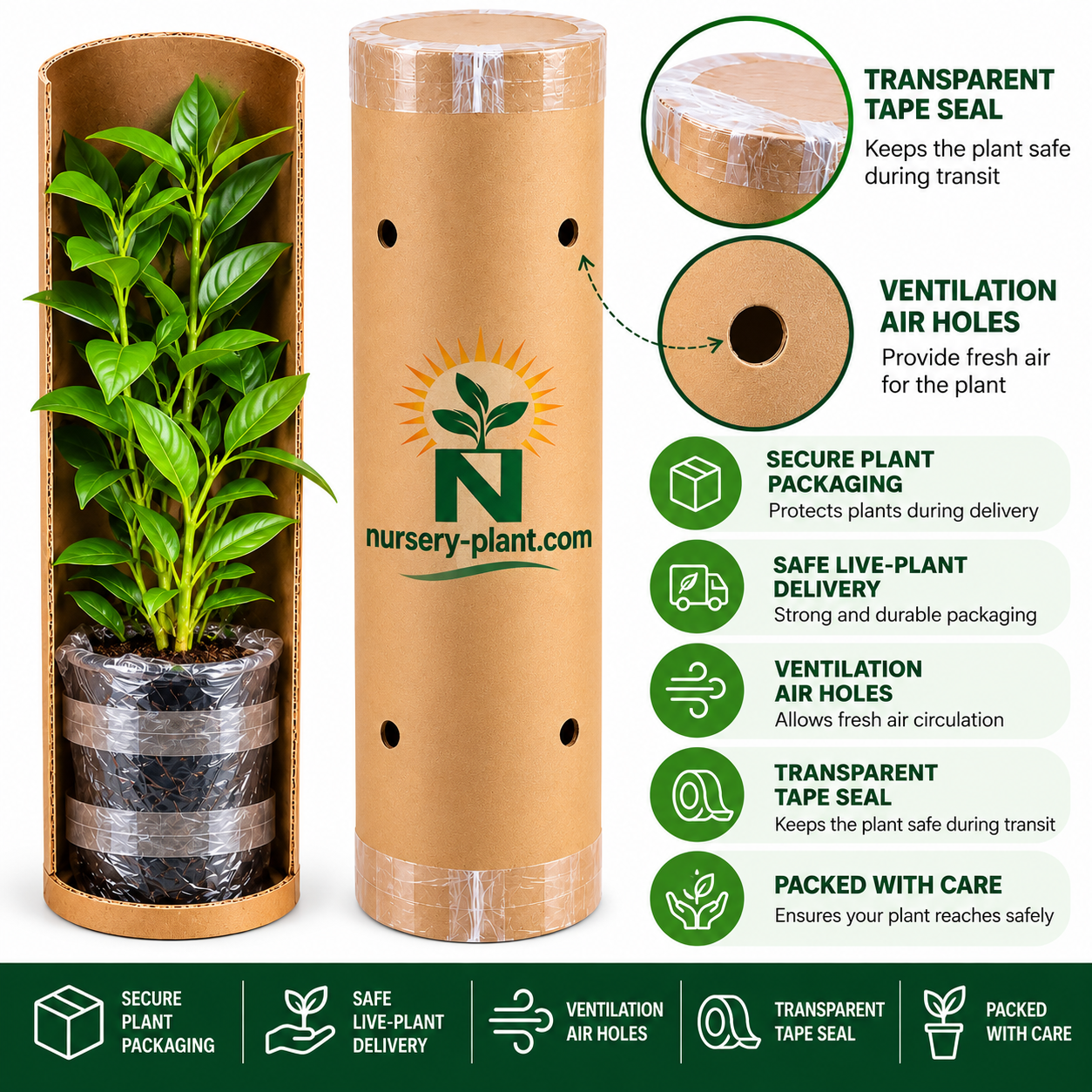
The plant may also experience minor leaf movement, yellowing or transportation stress during delivery. After planting, provide appropriate sunlight and watering while it establishes.
🌟 Why Choose Eucalyptus / Nilgiri / Safeda?
- 🌿 Aromatic foliage
- 🌳 Fast-growing characteristics in many species
- ☀️ Excellent outdoor sun-loving plant
- 🏡 Suitable for home gardens
- 🌱 Attractive young landscape tree
- 🍃 Beautiful green, blue-green or silvery foliage
- 🌼 Mature trees can produce nectar-rich flowers
- 🌳 Attractive bark on many species
- 🌿 Suitable for larger garden landscapes
- 🇮🇳 Well suited to suitable warm Indian growing conditions
🔗 Botanical Information & Further Reading
For authoritative botanical classification, see Royal Botanic Gardens, Kew – Eucalyptus. Kew recognizes Eucalyptus as an accepted genus and lists hundreds of accepted species.
For general eucalyptus cultivation, see the RHS Eucalyptus Growing Guide, covering sunlight, soil, watering, containers and pruning.
For an overview of eucalyptus characteristics and ornamental uses, see the RHS Eucalyptus Plant Guide.
For an example of a fast-growing eucalyptus species, see the RHS profile for Eucalyptus globulus.
For another example of a fast-growing eucalyptus, see the RHS profile for Eucalyptus neglecta.
For general guidance on planting and caring for young trees, see the RHS Guide to Growing Trees.
For More Information Visit: Nursery-Plant.Com
For Contact Visit:Contact Us
For Shopping Visit: Shop Page


Reviews
There are no reviews yet.