Bombai Litchi (Lychee) Layering/Grafted Fruit Plant | Litchi chinensis
🌿 About the Plant
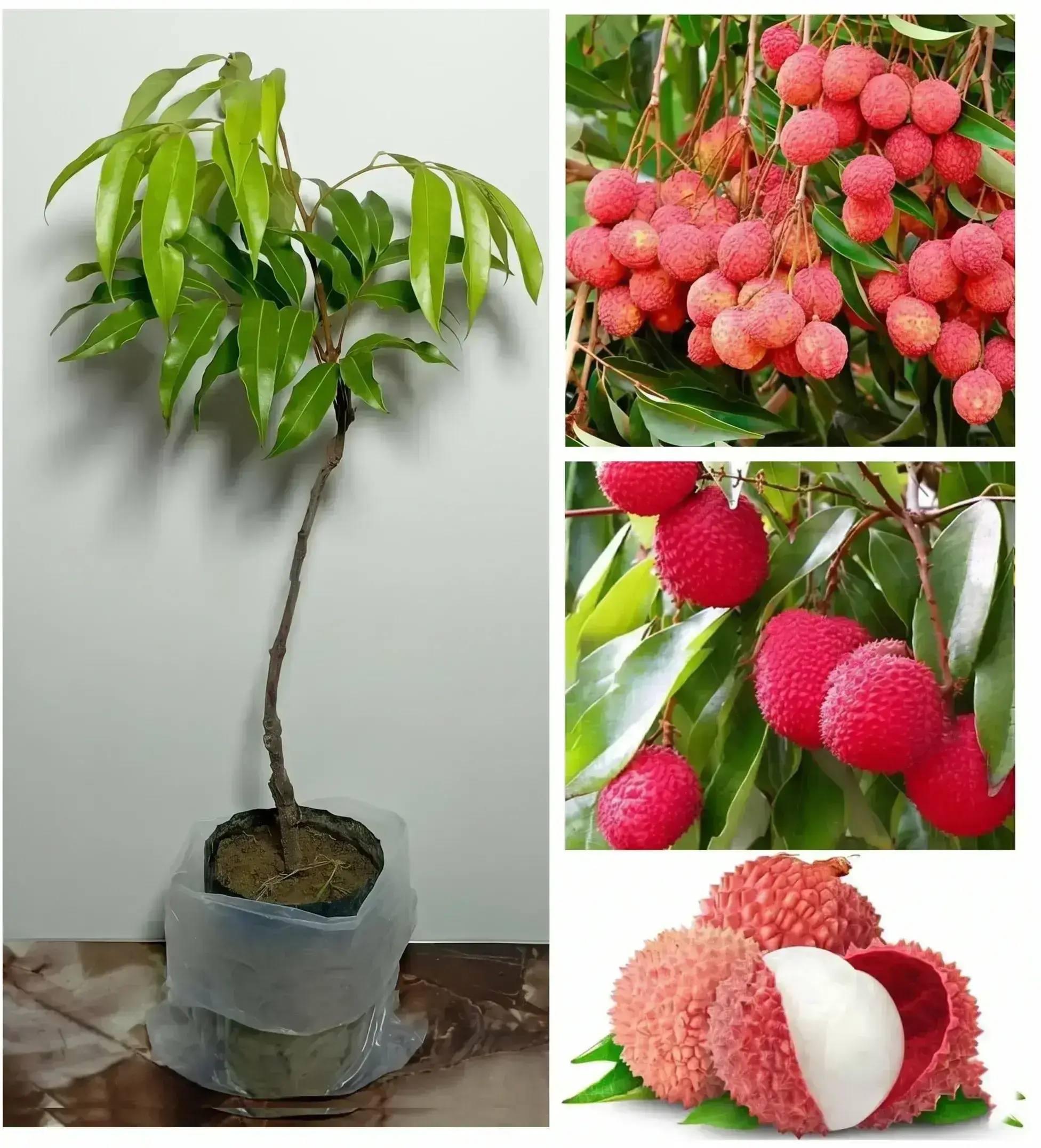
Bombai Litchi, also known as Bombai Lychee, is a popular litchi fruit plant suitable for home gardens, orchards, farmhouses and other locations with adequate growing space.
The accepted botanical name is Litchi chinensis Sonn., belonging to the Sapindaceae family. Kew recognises Litchi chinensis as the accepted species and records its native range from southern China through parts of tropical Southeast Asia. It is now widely cultivated, including in India.
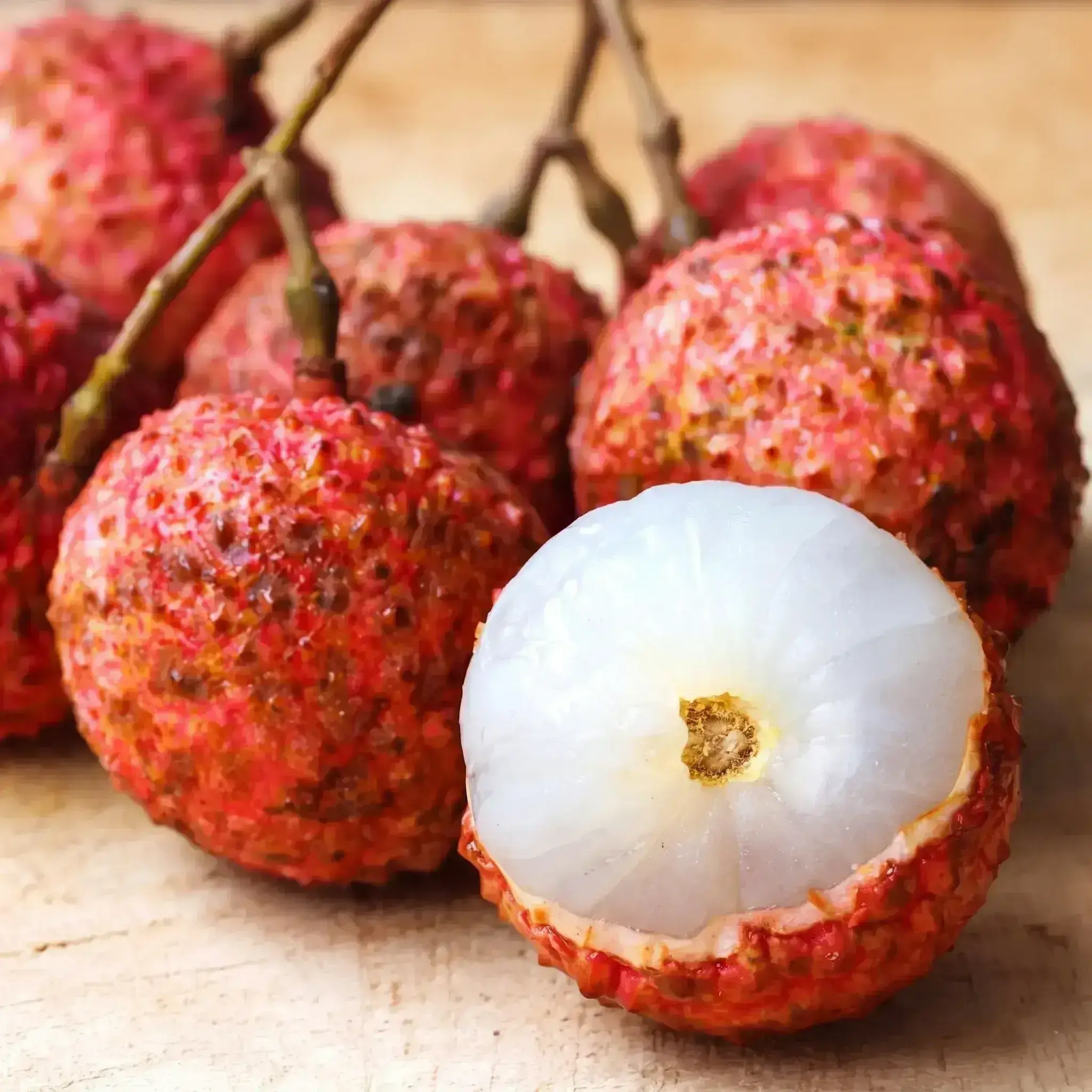
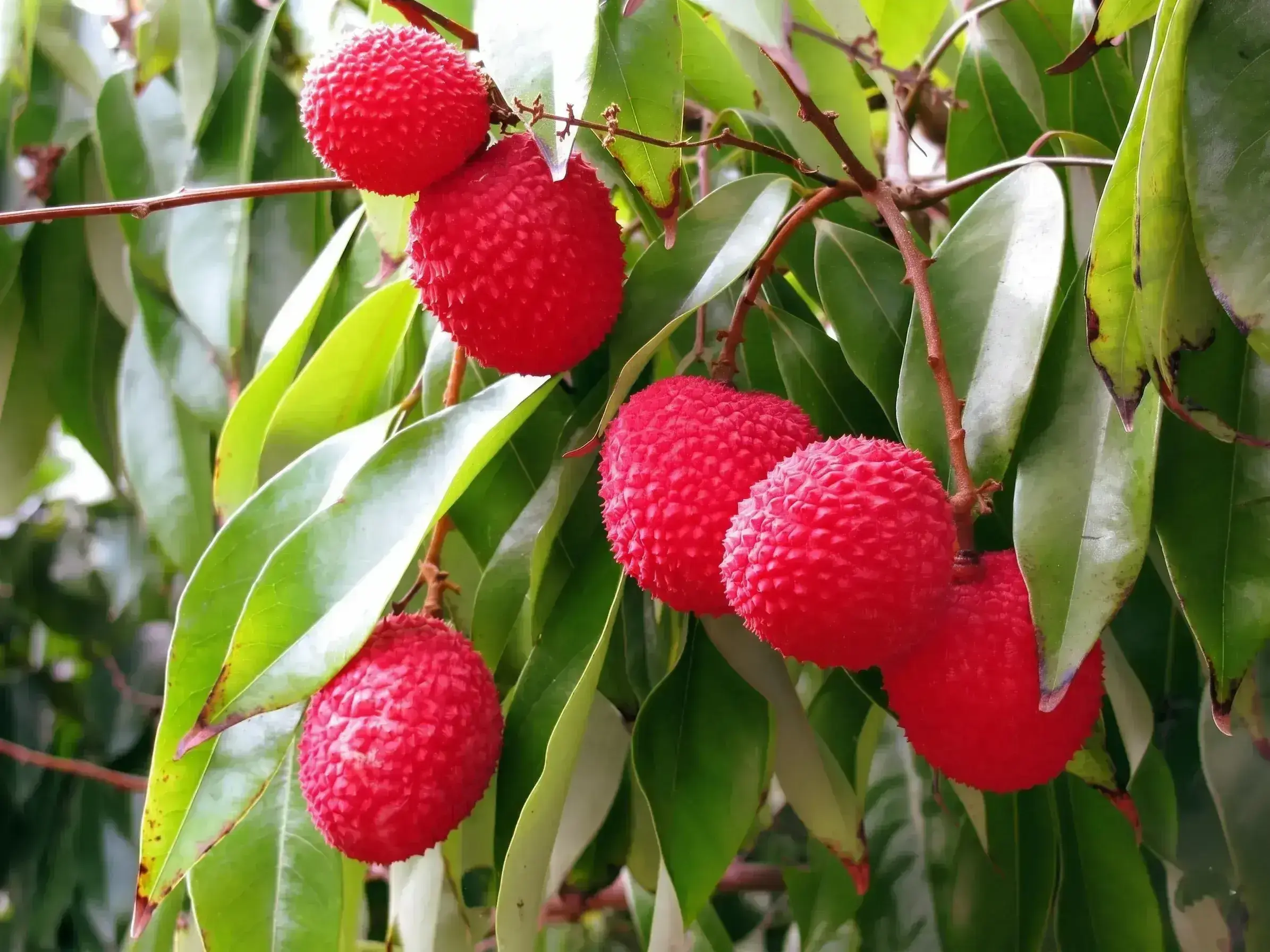
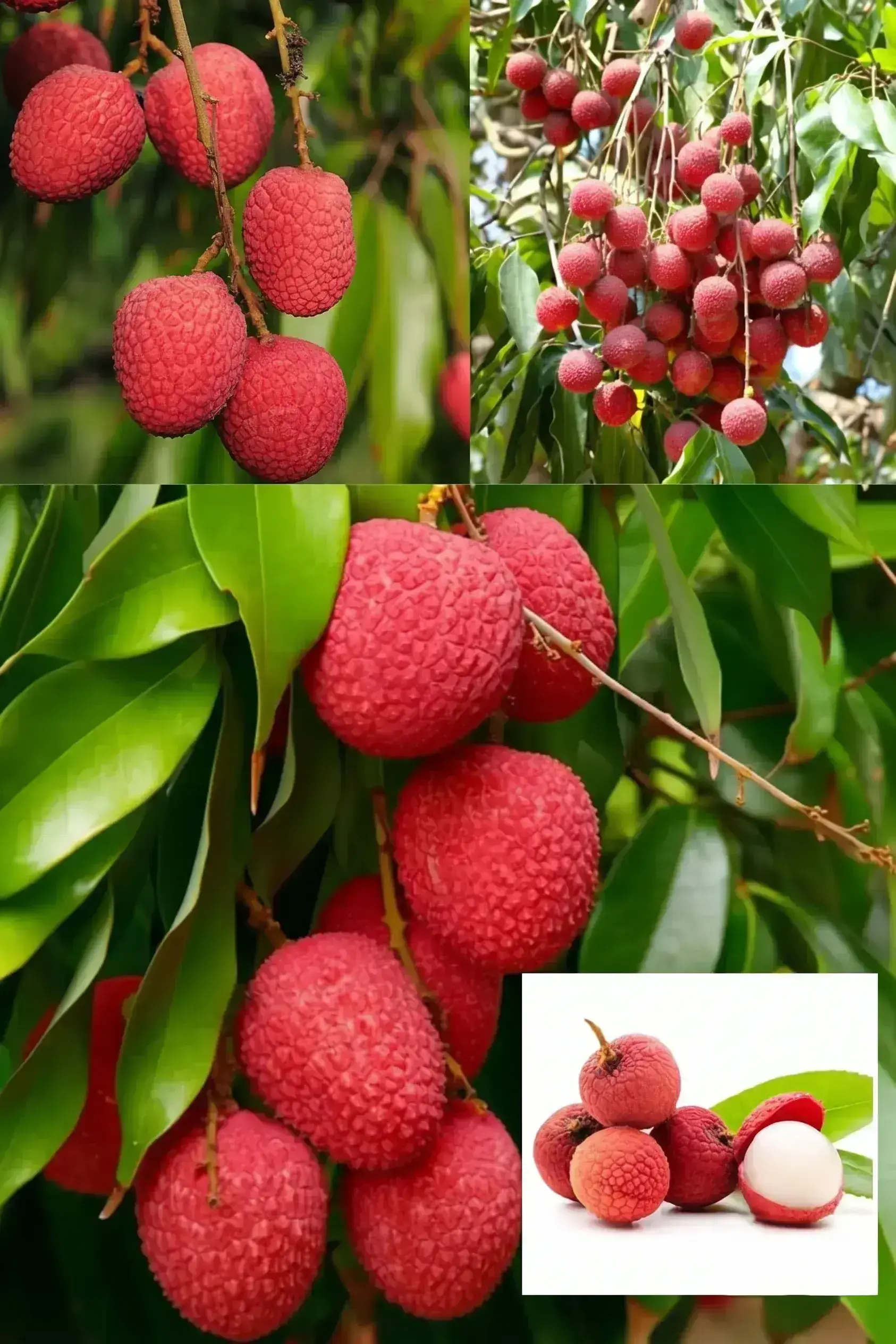
Litchi is a long-lived evergreen fruit tree valued for its attractive foliage and delicious fruits with a rough reddish skin and juicy, aromatic, translucent-white edible pulp.
The name “Bombai” is used as a cultivar/variety name in Indian litchi cultivation. The plant offered here is described as a layered/grafted vegetatively propagated plant, rather than a seed-grown litchi.
🌱 Plant Characteristics
- Common Names: Litchi, Lychee, Lichi, Bombai Litchi
- Botanical Name: Litchi chinensis Sonn.
- Family: Sapindaceae
- Plant Type: Evergreen fruit tree
- Growth Habit: Medium to large, spreading tree
- Propagation: Air-layered / vegetatively propagated; grafted terminology may vary by nursery stock
- Fruit Type: Fleshy aril surrounding a single seed
- Fruit Skin: Rough, leathery and reddish when ripe
- Edible Portion: Juicy translucent-white aril
- Climate: Tropical and subtropical
- Best Use: Home garden, orchard and fruit garden
Kew describes Litchi chinensis as a tree primarily associated with wet tropical environments.
🍒 Litchi Fruit Characteristics
Litchi is especially valued for its fragrant and juicy fruit.
A mature litchi generally has:
- Rough textured outer skin
- Pink, red or reddish fruit colour depending on variety and maturity
- Translucent white to slightly creamy edible pulp
- Juicy texture
- Sweet and aromatic flavour
- A single hard seed inside the edible aril
The edible flesh is the aril surrounding the seed. The outer skin and seed are normally removed before eating.
Fruit size, colour, sweetness, seed size and harvesting time can vary according to cultivar, climate, plant age and growing conditions.
🌸 Flowers
Litchi produces branched flower clusters, generally at the ends of new growth.
The flowers are relatively small and are followed by developing fruit when suitable pollination and environmental conditions occur.
Flowering and fruit development are strongly influenced by seasonal temperature, moisture management and the physiological condition of the tree.
A mature, healthy tree with good sunlight and suitable seasonal conditions has a better opportunity to flower and produce fruit.
🌼 Flowering & Fruiting
Litchi is a perennial tree and requires time to establish before producing substantial crops.
Vegetatively propagated plants such as air-layered plants generally retain the characteristics of the parent plant more reliably than seed-grown plants.
The National Horticulture Board describes air-layering (gootee) as a widely accepted propagation method for litchi in India. In this method, a suitable branch is encouraged to produce roots while still attached to the mother plant and is later separated and grown as an independent plant.
However, propagation method alone does not guarantee immediate fruiting.
Fruiting is not guaranteed immediately after delivery and depends on plant age, variety, climate, sunlight, nutrition, water management and growing conditions.
☀️ Sunlight Requirements
Litchi performs well in a bright, sunny location.
For home cultivation:
- Provide plenty of direct sunlight.
- Aim for approximately 6–8 hours of good sunlight where practical.
- Avoid locations that remain heavily shaded throughout the day.
- Good light is especially important for healthy flowering and fruit development.
A newly delivered plant may need a short acclimatisation period if it has been transported from a different light and temperature environment.
💧 Watering
Litchi prefers adequate moisture but does not perform well when its roots remain continuously waterlogged.
For young plants:
- Water thoroughly when the upper layer of soil begins to dry.
- Keep the root zone moderately moist during establishment.
- Increase watering during prolonged hot and dry periods.
- Reduce watering during heavy monsoon rainfall.
- Ensure excess water can drain away freely.
Avoid both extremes:
Too little water: wilting, poor new growth and stress.
Too much water: poor root health and increased risk of root-related problems.
Consistent moisture management is particularly important during active growth and fruit development.
🪴 Soil & Potting
Choose a deep, fertile and well-drained soil for long-term litchi cultivation.
A suitable garden mixture may contain:
- Good-quality garden soil
- Well-decomposed compost or farmyard manure
- Cocopeat or other organic material
- Coarse sand/perlite where additional drainage is needed
The soil should retain enough moisture for healthy growth while allowing excess water to drain.
For ground planting, prepare a generous planting pit and improve poor soil with mature organic matter rather than using fresh manure directly against the roots.
🌱 Fertilizer & Nutrition
Litchi benefits from balanced nutrition, especially once the tree becomes established.
For young plants:
- Use well-decomposed organic compost.
- Apply a balanced fruit-tree fertilizer during active growth.
- Provide micronutrients when a genuine deficiency is identified.
- Avoid excessive fertilizer application.
As the tree matures, fertilizer requirements depend on plant size, soil fertility, growth rate and fruiting performance.
Excessive nitrogen can encourage lush vegetative growth without necessarily improving fruit production.
🌱 Propagation: Layering / Grafting
One of the important advantages of vegetative litchi propagation is that the new plant can retain characteristics of the selected parent plant more reliably than a seedling.
Air-layering, also called gootee, is particularly important in litchi propagation.
The NHB describes air-layering as follows: a healthy branch is selected, a ring of bark is removed, a moist rooting medium is placed around the exposed area and the section is maintained until roots develop. The rooted branch is then separated and planted as a new plant.
NHB planting-material guidance specifies vegetative shoot material for litchi air-layering and emphasises healthy mother plants, proper root development and maintenance of varietal purity.
If nursery stock is specifically supplied as grafted, the graft union should be kept above the soil level and protected from physical damage. Any shoots emerging from below the graft union should generally be removed so they do not compete with the desired grafted growth.
🏡 Home Garden Suitability
Bombai Litchi is an attractive choice for gardeners who want to grow a traditional Indian fruit tree at home.
It can be suitable for:
- Large home gardens
- Farmhouses
- Rural properties
- Fruit orchards
- Kitchen gardens with sufficient space
- Large backyard gardens
- Community or institutional gardens
The tree should be planted where its future canopy can develop without interfering with buildings, wires or narrow pathways.
🪴 Container / Terrace Gardening
A young litchi plant can be maintained in a large container for some time, but long-term container cultivation requires more attention than ground planting.
If growing in a pot:
- Select a large, heavy container.
- Ensure multiple drainage holes.
- Use a fertile but well-draining growing medium.
- Place the plant where it receives strong sunlight.
- Avoid letting water remain in the pot tray.
- Repot when the root system becomes crowded.
- Provide balanced nutrition.
Because litchi naturally develops into a tree, open-ground cultivation is generally more suitable for long-term growth and fruit production.
✂️ Pruning & Maintenance
Pruning can help maintain a manageable structure and remove unwanted growth.
Remove:
- Dead branches
- Broken branches
- Diseased or damaged growth
- Weak or crossing branches
- Unwanted shoots from below a graft union, when applicable
- Excessively crowded branches
Avoid aggressive pruning unless necessary. Young plants should first be allowed to establish a healthy framework.
🌳 Space Requirement
Litchi should be planted with its mature size in mind.
Kew records Litchi as a tree that can reach substantial dimensions, so a small plant at delivery should not be judged by its eventual space requirement.
For ground planting, maintain sufficient distance from:
- House walls
- Roofs
- Electric wires
- Small garden structures
- Narrow pathways
- Other large trees
Adequate spacing also improves sunlight penetration and air movement around the canopy.
🌱 Climate & Growing Conditions
Litchi generally performs best in warm conditions with adequate moisture, while suitable seasonal conditions are important for flowering.
Indian growing conditions vary considerably from region to region. Areas with a suitable winter period followed by warm conditions can support commercial litchi cultivation, while extremely unsuitable temperatures, drought or waterlogging can affect flowering and fruit development.
Because of India’s diverse climate, local performance can vary significantly between West Bengal, Bihar, Jharkhand, Assam, Uttar Pradesh and other growing regions.
🍒 How to Enjoy Litchi
Fresh ripe litchi is commonly eaten after removing the outer skin and seed.
The juicy pulp can also be used for:
- Fresh fruit consumption
- Fruit beverages
- Desserts
- Fruit salads
- Homemade juice
- Preserves and other processed products
The fruit is particularly appreciated for its fragrant aroma and sweet, refreshing flavour.
🌱 Why Choose Bombai Litchi?
- Popular Indian litchi fruit plant
- Attractive evergreen foliage
- Delicious sweet and aromatic fruit
- Suitable for home fruit gardens
- Vegetatively propagated plant
- Better choice than seed-grown plants when maintaining selected plant characteristics is important
- Suitable for warm Indian growing conditions
- Excellent addition to larger gardens and orchards
- Attractive long-term fruit-tree investment for home gardeners
🌿 Botanical Information
Botanical Name: Litchi chinensis Sonn.
Family: Sapindaceae
Order: Sapindales
Genus: Litchi
Plant Type: Evergreen fruit tree
Common Names: Litchi, Lychee, Lichi
Fruit: Fleshy aril surrounding a single seed
Native Range: Southern China to parts of Southeast Asia
Cultivated In: Many tropical and subtropical regions, including India
Kew currently recognises Litchi chinensis Sonn. as the accepted species. The closely related historical name Litchi sinensis is treated as a synonym of Litchi chinensis subsp. chinensis.
📦 Live Plant Delivery & Natural Variation
This is a live plant, so its appearance at delivery may naturally differ from product photographs.
During packing and transportation, temporary stress can occur. You may notice:
- Slight leaf yellowing
- Temporary leaf drooping
- Minor leaf shedding
- Different plant height
- Variation in leaf size
- Different stem thickness
- Different branching pattern
- Minor transport-related stress
These differences are normal possibilities with living plants and can be influenced by changes in light, temperature, humidity, watering and transportation conditions.
After delivery, place the plant in a suitable growing location, water appropriately and allow it time to acclimatise.
Product photographs are representative. The actual plant supplied may naturally vary in size, foliage and branching.
⚠️ Important Note
The term “Bombai Litchi” is used here as the product’s variety/selection name. Exact cultivar identity should be understood according to the planting material supplied by the nursery.
“Layered/Grafted” refers to vegetative propagation and should not be interpreted as a guarantee of immediate fruiting.
A young litchi plant needs appropriate establishment time before it can be expected to produce a meaningful crop.
Fruiting is not guaranteed immediately after delivery and depends on plant age, variety, climate, sunlight, nutrition, water management and growing conditions.
🔗 Botanical Information & Further Reading
- Kew – Plants of the World Online: Litchi chinensis
- Kew – Litchi chinensis General Information
- National Horticulture Board – Litchi Propagation Information
- National Horticulture Board – Seed & Planting Material Testing Manual for Litchi
- National Horticulture Board – Litchi Development Project Information
- TNAU – Propagation Through Layering
For More Information
Visit: Nursery-Plant.Com
For Contact Visit:Contact Us
For Shopping Visit: Shop Page


Reviews
There are no reviews yet.