

Malati Plant – Maloti Flower Plant (Aganosma dichotoma) for Home Garden
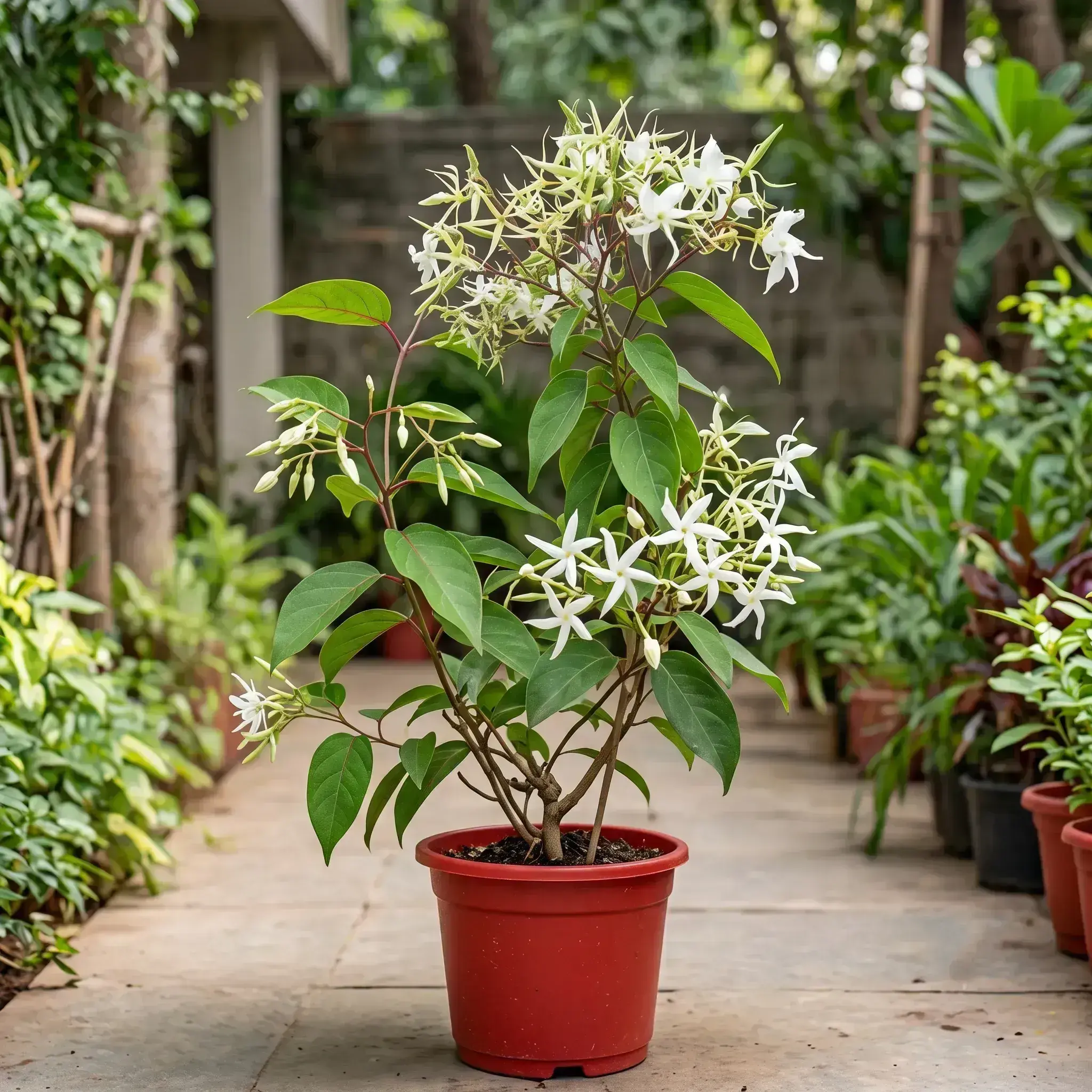
The Malati Plant Also known as Maloti Flower Plant (Aganosma Dichotoma) Plant. This beautiful Indian flowering climber is admired for its clusters of delicate white flowers, attractive green leaves and pleasant, spicy fragrance.
Known by names such as Malati, Maloti Lata, Gandho Malati and Clove-scented Echites, this ornamental plant is a wonderful choice for garden trellises, fences, pergolas and sunny outdoor spaces. Its climbing growth habit makes it especially suitable for gardeners who want to decorate vertical spaces with fragrant flowers.
The plant is botanically associated with Aganosma heynei. The name Aganosma dichotoma is an older synonym used in many plant references and nursery listings.
Plant Highlights
- Product Name: Malati Plant
- Common Names: Maloti, Malati Lata, Gandho Malati, Clove-scented Echites
- Botanical Name: Aganosma heynei
- Older Botanical Name: Aganosma dichotoma
- Plant Family: Apocynaceae
- Plant Type: Woody flowering climber
- Flower Colour: White
- Flower Fragrance: Sweet, spicy fragrance
- Foliage Colour: Green
- Growth Habit: Climbing vine
- Sunlight: Bright light to partial sunlight; suitable exposure depends on local conditions
- Water Requirement: Moderate; soil should not remain waterlogged
- Special Feature: Fragrant white flowers and climbing growth
About the Malati Plant
Malati is an attractive native Indian flowering climber that can add fragrance and natural beauty to a home garden. It develops strong, woody stems and opposite green leaves. When mature and growing in suitable conditions, it produces clusters of white flowers.
The flowers are especially appreciated for their pleasant spicy fragrance. The plant is naturally suited to climbing, so providing a trellis, fence or other support helps it grow in an attractive shape.
Appearance and Growth
Malati is a vigorous woody climber with branching stems and oval to elliptic green leaves. Its leaves are generally thick and leathery.
As the plant grows, its stems need support to climb. With enough space and suitable care, it can cover a garden structure and create a beautiful flowering display.
Its mature size depends on the growing environment, available support, pruning and plant age.
Flowers and Fragrance
The most attractive feature of the Malati Plant is its delicate white flowers.
- Flowers grow in loose clusters.
- The petals are usually white and slightly twisted.
- The flowers have a pleasant spicy fragrance.
- Flowering can occur in seasonal flushes.
- Flowering time varies with climate, plant maturity and growing conditions.
In India, botanical records report flowering and fruiting during different parts of the year, with February to September recorded in some regional observations. Actual flowering in a home garden may vary.
Sunlight Requirements
Malati grows best in a bright outdoor location.
- Choose a place with good natural sunlight.
- Morning sunlight is beneficial.
- Partial shade can be suitable in hot conditions.
- Avoid deep shade, which may reduce flowering.
- Provide adequate air circulation around the foliage.
A sunny garden wall, trellis or fence can be a suitable growing location.
Watering Requirements
The plant prefers moderate watering, particularly while establishing.
- Water when the upper soil begins to dry.
- Keep the soil lightly moist during active growth.
- Avoid continuous overwatering.
- Reduce watering during prolonged rainy weather.
- Make sure excess water drains away.
During the monsoon season in West Bengal, check the soil before watering. Heavy, continuously wet soil can create root problems.
Best Soil for Malati Plant
Malati prefers fertile soil with good drainage. A soil mixture that holds some moisture but does not become waterlogged is suitable.
Suggested potting mixture:
- 40% garden soil
- 30% compost or well-rotted organic matter
- 20% cocopeat
- 10% coarse sand or perlite
Adjust the mixture depending on your garden soil and local conditions. Avoid compacted soil that holds excess water.
Temperature and Climate
Malati is an Indian tropical climber and can grow in warm conditions. It is found in different parts of India, including West Bengal.
It generally performs well with warmth, sufficient light and suitable moisture. During heavy monsoon rainfall, good drainage is especially important.
Fertilizer Requirements
A moderate feeding routine can support healthy foliage and flowering.
- Add mature compost around the plant during active growth.
- Use a balanced flowering-plant fertilizer according to its label if needed.
- Avoid excessive nitrogen fertilizer, which can encourage leafy growth at the expense of flowers.
- Do not apply fertilizer to waterlogged or stressed plants.
Growing Malati in Pots
Malati can be grown in a large container if you provide enough space for its roots and a structure for climbing.
- Choose a sturdy pot with drainage holes.
- Fill it with fertile, well-draining soil.
- Place the pot in a bright outdoor location.
- Install a small trellis or support.
- Water according to soil moisture.
- Prune excess growth to maintain the desired shape.
As the plant grows, move it to a larger pot if its roots become crowded.
Growing Malati on a Trellis, Fence or Pergola
Malati is particularly suitable for vertical garden decoration.
You can grow it:
- Along garden fences
- On a wall-mounted trellis
- Around pergolas
- Near garden entrances
- On suitable garden arches
- In large pots with climbing supports
Guide young stems gently towards the support. Avoid tying branches too tightly, as this can damage the stems.
Pruning and Maintenance
Regular pruning helps maintain a manageable shape and encourages branching.
- Remove dead and damaged stems.
- Trim excessively long branches.
- Guide new growth along the support.
- Remove overcrowded growth where necessary.
- Use clean pruning tools.
Avoid heavy pruning when the plant is actively producing flower buds if you want to preserve the upcoming flowering display.
Propagation
Malati can be propagated through stem cuttings and seeds. Stem cuttings are a practical option for home gardeners.
For stem cuttings:
- Select a healthy stem.
- Cut a suitable section using clean pruning scissors.
- Remove some lower leaves.
- Place the cutting in a moist, well-draining propagation medium.
- Keep it warm and protected from harsh direct sunlight while rooting.
Rooting success depends on cutting maturity, moisture, temperature and propagation conditions.
Common Growing Problems
1. Yellowing leaves: May occur due to overwatering, poor drainage or nutrient-related stress.
2. Few flowers: Insufficient light, excessive nitrogen, heavy pruning or an immature plant may reduce flowering.
3. Weak climbing growth: The plant may need better light or a suitable climbing support.
4. Leaf damage: Check for insects and other garden pests, especially on young shoots.
5. Root problems: Soil that remains waterlogged for long periods can damage the roots.
Is Malati Suitable for a Home Garden?
Yes. Malati is an attractive choice for outdoor gardens, particularly where there is space for a climbing plant.
Its white fragrant flowers and green foliage can enhance fences, pergolas, garden arches and trellises. It is also suitable for large containers when proper climbing support is provided.
Safety Information
Malati belongs to the Apocynaceae family and has milky sap. Avoid eating any part of the plant. Wear gloves when pruning if you have sensitive skin, and keep cut stems and plant material away from children and pets.
Live Plant Delivery Information
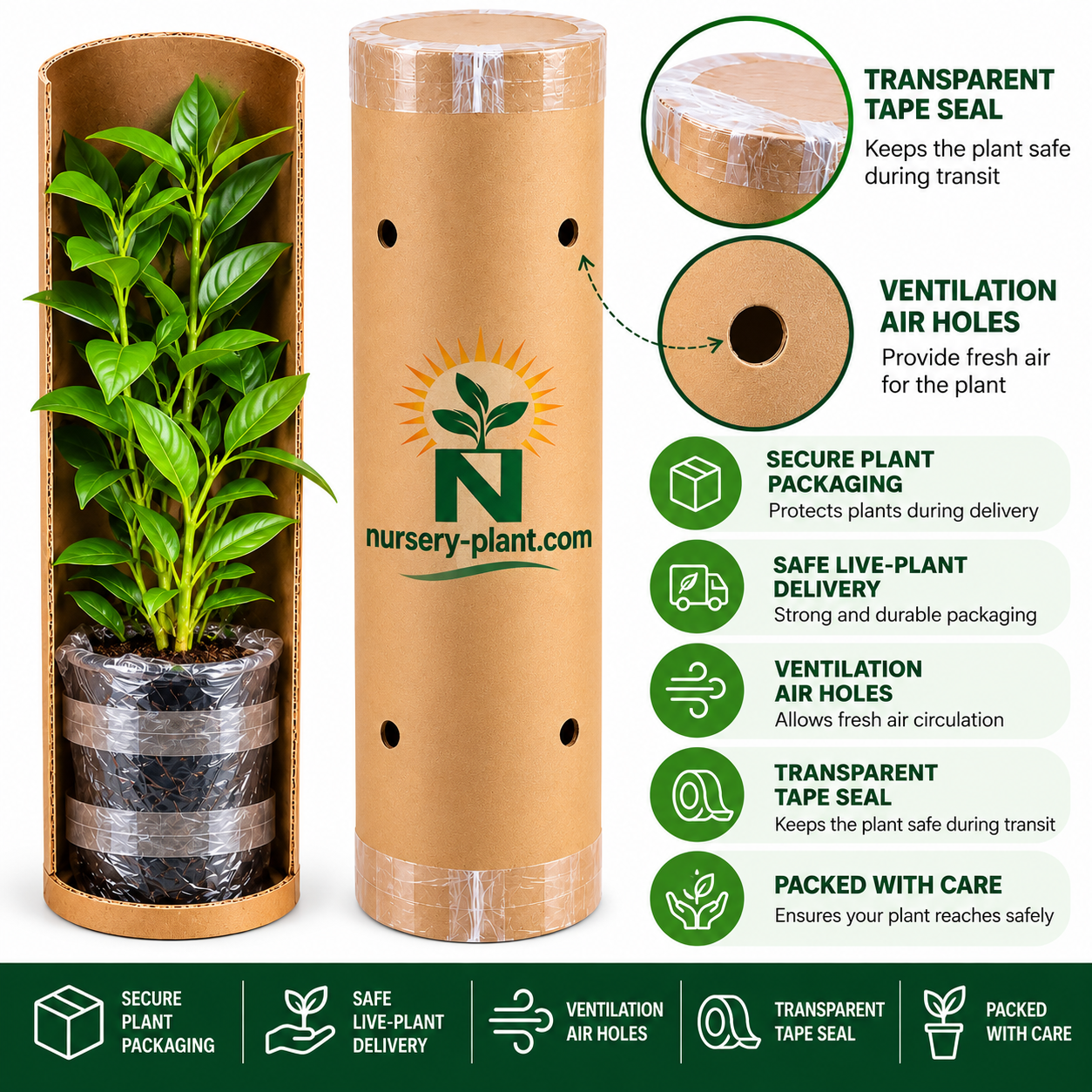
Your Malati Plant is a living product, so its appearance may vary according to the season, weather and growth stage.
- Plant height and branching may vary.
- Flowering may not be present at the time of delivery.
- Some leaves may droop or become loose during transportation.
- Allow the plant to adjust after delivery.
- Check soil moisture before watering.
- Avoid immediate heavy pruning, repotting or fertilizer application unless necessary.
Why Choose a Malati Plant?
The Malati Plant is a beautiful Indian flowering climber valued for its fragrant white flowers and natural climbing habit. It is a lovely choice for decorating garden fences, trellises, pergolas and outdoor spaces.
With suitable sunlight, moderate watering, fertile well-drained soil and climbing support, Malati can become a graceful flowering feature in your home garden.
Botanical Information & Further Reading
Explore these botanical references to learn more about Malati and its identification:
- Kew Science – Plants of the World Online: Aganosma heynei
- Kew Science – Aganosma dichotoma synonym information
- India Flora Online – Aganosma caryophyllata and Malati names
- Flowers of India – Malati
- Botanical Survey of India – Flora of Papikonda National Park
- IMPPAT – Aganosma dichotoma plant information
Frequently Asked Questions
1. What is the scientific name of the Malati Plant?
The currently accepted name is Aganosma heynei. Aganosma dichotoma is an older botanical synonym commonly found in plant references and nursery listings.
2. What colour flowers does Malati produce?
Malati produces attractive white flowers, usually arranged in loose clusters.
3. Are Malati flowers fragrant?
Yes. The flowers are known for their pleasant spicy fragrance.
4. Is Malati a climber or a bush?
Malati is a woody flowering climber. It grows best when provided with a trellis, fence or other support.
5. Can I grow Malati in a pot?
Yes. Use a large pot with drainage holes and provide a suitable climbing support.
6. Can Malati grow in West Bengal?
Yes. Malati is recorded in West Bengal and is native to India. Provide suitable sunlight, well-drained soil and protection from prolonged waterlogging.
7. How much sunlight does Malati need?
Choose a bright outdoor location. Morning sunlight and suitable partial shade can support healthy growth.
8. When does the Malati Plant flower?
Flowering varies with climate and plant maturity. Some Indian botanical records report flowering and fruiting between February and September.
9. How can I propagate Malati?
It can be propagated through stem cuttings or seeds. Healthy stem cuttings are a practical method for home gardeners.
10. Can Malati cover a garden fence or pergola?
Yes. Its woody climbing habit makes it suitable for fences, pergolas, arches and trellises when given enough room and support.
For More Information
Visit: Nursery-Plant.Com
For Contact Visit:Contact Us
For Shopping Visit: Shop Page


Reviews
There are no reviews yet.