

Starfish Snake Plant – Boncel Plant (Dracaena angolensis ‘Boncel’) for Home & Garden
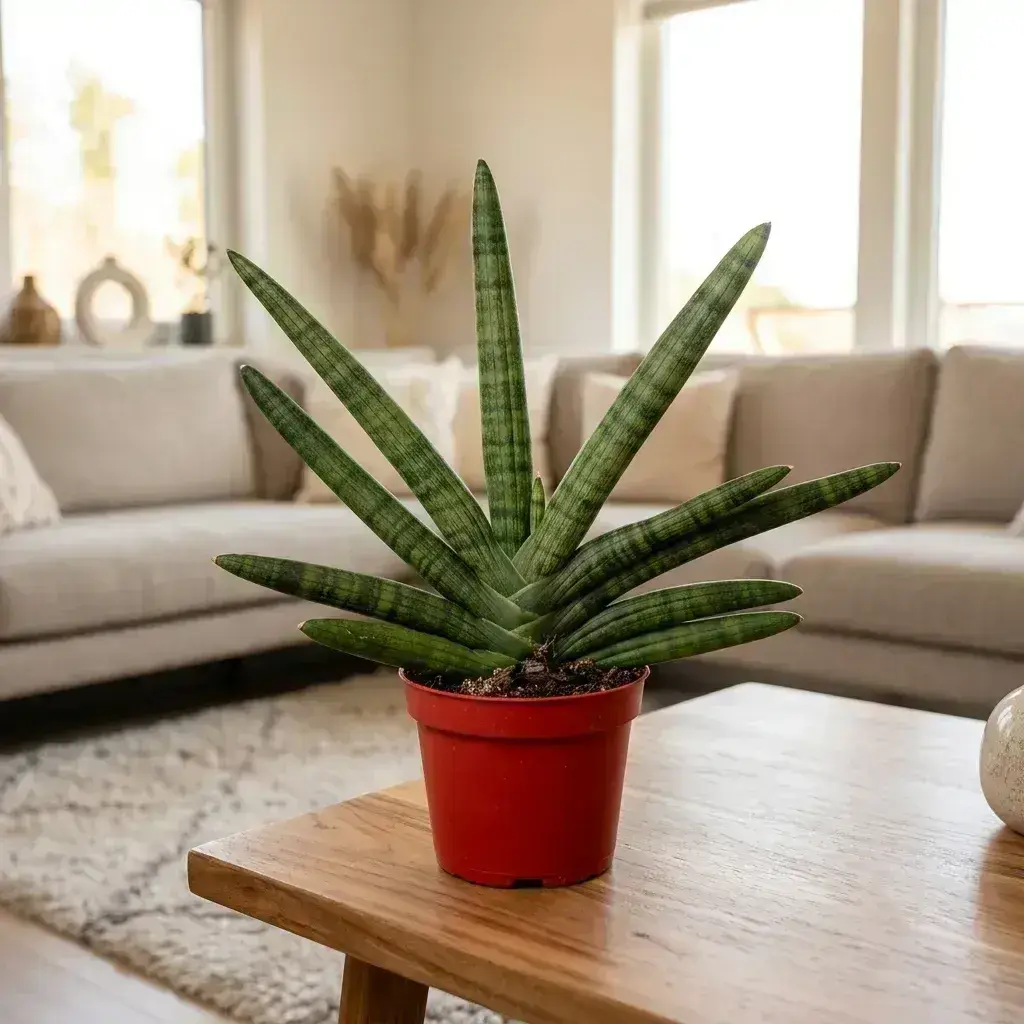
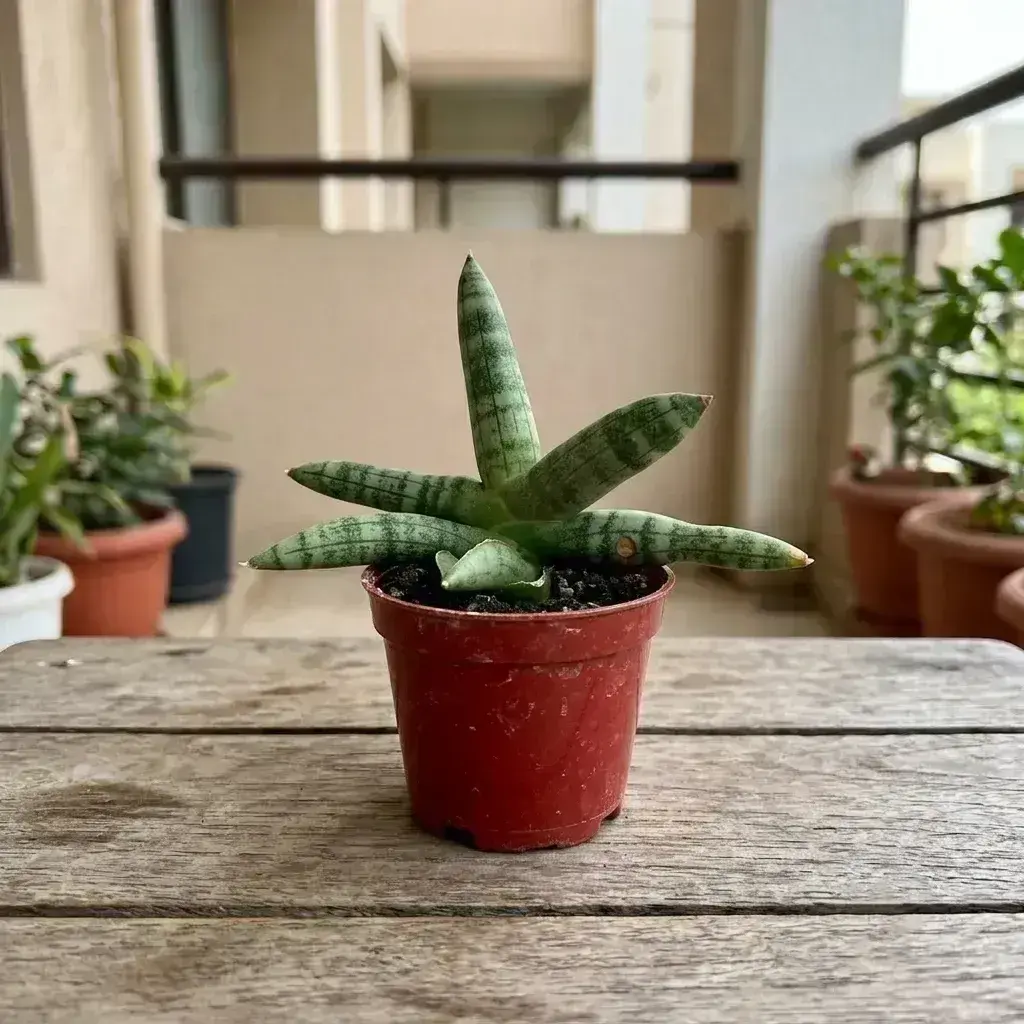
The Starfish Snake Plant Also Known as Boncel Plant (Dracaena angolensis ) . This attractive succulent is admired for its thick, cylindrical leaves that spread outward in a beautiful fan-like arrangement, resembling the shape of a starfish.
Commonly sold as Sansevieria Boncel, this compact and unusual snake plant is popular among succulent collectors and indoor plant lovers. Its sculptural appearance makes it an excellent choice for decorative pots, balconies, office corners and modern home interiors.
The Boncel Plant is also valued for its low watering requirements and ability to tolerate periods of dry soil. It is a good choice for people looking for an unusual ornamental plant that does not require frequent attention.
Plant Highlights
- Common Names: Starfish Snake Plant, Boncel Plant, Starfish Sansevieria, Cylindrical Snake Plant
- Botanical Name: Dracaena angolensis ‘Boncel’
- Popular Nursery Name: Sansevieria cylindrica ‘Boncel’
- Family: Asparagaceae
- Plant Type: Evergreen succulent perennial
- Leaf Shape: Thick, cylindrical and pointed
- Leaf Arrangement: Fan-shaped, spreading from the base
- Leaf Colour: Green to grey-green with subtle bands
- Light Requirement: Bright indirect light to partial sunlight
- Water Requirement: Low
- Growth Habit: Compact, clump-forming
- Best For: Home, garden, balcony, office and succulent collections
- Maintenance: Low
About the Starfish Snake Plant
The Starfish Snake Plant is a distinctive form of the cylindrical snake plant, originally associated with Sansevieria cylindrica. Its thick, round leaves grow outward from the base in a fan-like pattern.
Unlike traditional snake plants with long, flat, upright leaves, Boncel has cylindrical leaves that create a sculptural starfish-like appearance.
It belongs to the Asparagaceae family and is associated with the African succulent flora. Its unusual shape makes it a popular choice for modern decorative plant collections.
Appearance and Growth
The most attractive feature of the Boncel Plant is its unusual leaf structure.
- Thick, fleshy cylindrical leaves
- Pointed leaf tips
- Green to grey-green foliage
- Subtle horizontal banding on the leaves
- Fan-shaped growth from the central base
- Compact appearance suitable for decorative containers
The plant grows slowly and gradually produces additional growth from its base. With time, it can form a fuller clump.
Flowers and Flowering Season
Mature Boncel plants may occasionally produce an upright flower stalk with small, fragrant, whitish or pinkish-white flowers.
Flowering is uncommon in ordinary indoor growing conditions. It depends on the plant’s maturity and growing environment. The unusual cylindrical foliage remains its main ornamental feature.
Sunlight Requirements
The Boncel Plant grows best in bright light. It can tolerate partial shade, but good light helps maintain healthy, compact growth.
Suitable locations:
- Bright indoor windowsills
- Balconies with morning sunlight
- Sheltered terrace gardens
- Bright office windows
- Outdoor succulent collections
Morning sunlight is generally suitable. Avoid suddenly placing an indoor-grown plant under strong afternoon sunlight, as this can cause leaf scorching.
Although it can tolerate some lower-light conditions, prolonged darkness may slow growth and reduce its overall appearance.
Watering Requirements
Boncel is a water-storing succulent, so it does not need frequent watering.
Follow these simple guidelines:
- Allow the soil to dry completely before watering again.
- Water thoroughly when the growing medium is dry.
- Ensure excess water drains through the bottom of the pot.
- Never allow the plant to sit in standing water.
- Reduce watering during cool or humid weather.
Important for West Bengal: During the monsoon, protect the plant from continuous rainfall. High humidity combined with wet soil can cause root rot and damage the base of the leaves.
Overwatering is one of the most common reasons for problems with this plant.
Best Soil for Boncel Plant
The Starfish Snake Plant needs a loose, gritty and well-draining growing medium.
A suitable potting mixture can include:
- 40% succulent or cactus potting soil
- 30% coarse sand or pumice
- 20% perlite or small gravel
- 10% mature compost
Adjust the mixture according to the materials available. The important requirement is that water should drain quickly rather than remain around the roots.
Avoid heavy clay soil and pots without drainage holes.
Temperature and Indian Climate
Boncel grows well in warm conditions and can be maintained in many parts of India.
For healthy growth:
- Keep it in a warm, well-ventilated location.
- Provide bright filtered light.
- Protect it from prolonged heavy rain.
- Avoid waterlogging during the monsoon.
- Protect it from frost and unusually cold conditions.
In humid areas such as West Bengal, good drainage and shelter from continuous rain are particularly important.
Fertilizer Requirements
Boncel is not a heavy feeder and does not need frequent fertilization.
During active growth:
- Use a balanced liquid fertilizer diluted according to the label.
- Apply occasionally during the growing season.
- Avoid excessive fertilizer, which can damage roots or encourage weak growth.
- Do not fertilize a stressed or recently repotted plant.
A small amount of mature compost can also be used when preparing fresh potting soil.
Growing Boncel Plant in Pots
The Boncel Plant is especially attractive in decorative containers because its fan-shaped leaves create a natural sculptural appearance.
Choose a sturdy pot with drainage holes. Terracotta pots are a good option because they help the soil dry more quickly.
Suitable containers include:
- Ceramic decorative pots
- Terracotta succulent pots
- Small garden planters
- Modern indoor plant containers
- Succulent collection bowls with drainage
Avoid oversized pots because excess soil can retain moisture for too long. Repot only when the plant becomes crowded or its growing medium needs replacement.
Best Places to Keep Starfish Snake Plant
Home: Place it near a bright window, on a balcony or in a decorative living-room corner.
Garden: Grow it in a protected succulent garden where rainwater does not collect around the roots.
Office: Its unusual fan-shaped foliage makes it an attractive decorative plant for reception areas and bright office spaces.
Balcony: A sheltered balcony with morning sunlight and protection from heavy rain is suitable.
Succulent Collection: Combine it with other succulents that have similar light and watering requirements.
Pruning and Maintenance
Boncel requires very little pruning.
- Remove damaged or dried leaves using clean tools.
- Keep the base of the plant free from dead leaves.
- Avoid cutting healthy cylindrical leaves unnecessarily.
- Check regularly for mealybugs and other pests.
- Repot when the plant becomes crowded.
The plant naturally maintains its distinctive fan-like shape without regular shaping.
Propagation
The Boncel Plant can be propagated through division of offsets.
Division method:
- Carefully remove the plant from its pot.
- Identify young shoots growing from the base.
- Separate a healthy offset with its roots attached, if possible.
- Allow damaged or cut surfaces to dry before planting.
- Place the offset in a well-draining succulent mixture.
- Keep it in bright indirect light while it establishes.
Propagation through division generally preserves the characteristic growth form better than leaf cuttings. Leaf cuttings may not reliably reproduce the original Boncel fan-shaped form.
Common Problems and Solutions
1. Soft or mushy leaves
This often indicates overwatering or root rot. Check the roots and allow the growing medium to dry.
2. Yellowing leaves
Excess moisture, poor drainage or unsuitable light conditions may cause yellowing. Check the soil and improve drainage.
3. Wrinkled or dehydrated leaves
The plant may need water, but damaged roots can also prevent water absorption. Check the growing medium before watering.
4. Brown leaf tips
This can happen because of physical damage, excessive sunlight or environmental stress. Provide suitable light and avoid rough handling.
5. Slow growth
Boncel is naturally a slow-growing plant. Insufficient light, unsuitable temperature or poor root conditions can slow growth further.
6. Root rot
Continuously wet soil is a common cause. Remove damaged roots and repot in a fresh, well-draining succulent mixture.
7. Mealybugs
Look for small white, cotton-like insects around the leaf base. Remove visible pests and use a suitable plant-safe treatment according to its label.
Is Boncel Plant Suitable for Indoor Growing?
Yes. Boncel is suitable for indoor growing when it receives sufficient natural or suitable artificial light.
Good indoor locations include:
- Bright windowsills
- Living rooms near windows
- Office reception areas
- Shelves with adequate light
- Bright indoor plant corners
Avoid keeping it permanently in a dark room. Even though snake plants tolerate some shade, adequate light supports healthier growth.
Safety and Handling
Snake plants are ornamental plants and should not be eaten. They may cause stomach discomfort if ingested and can be harmful to pets such as cats and dogs.
Keep the plant away from children and pets who may chew its leaves.
Live Plant Delivery
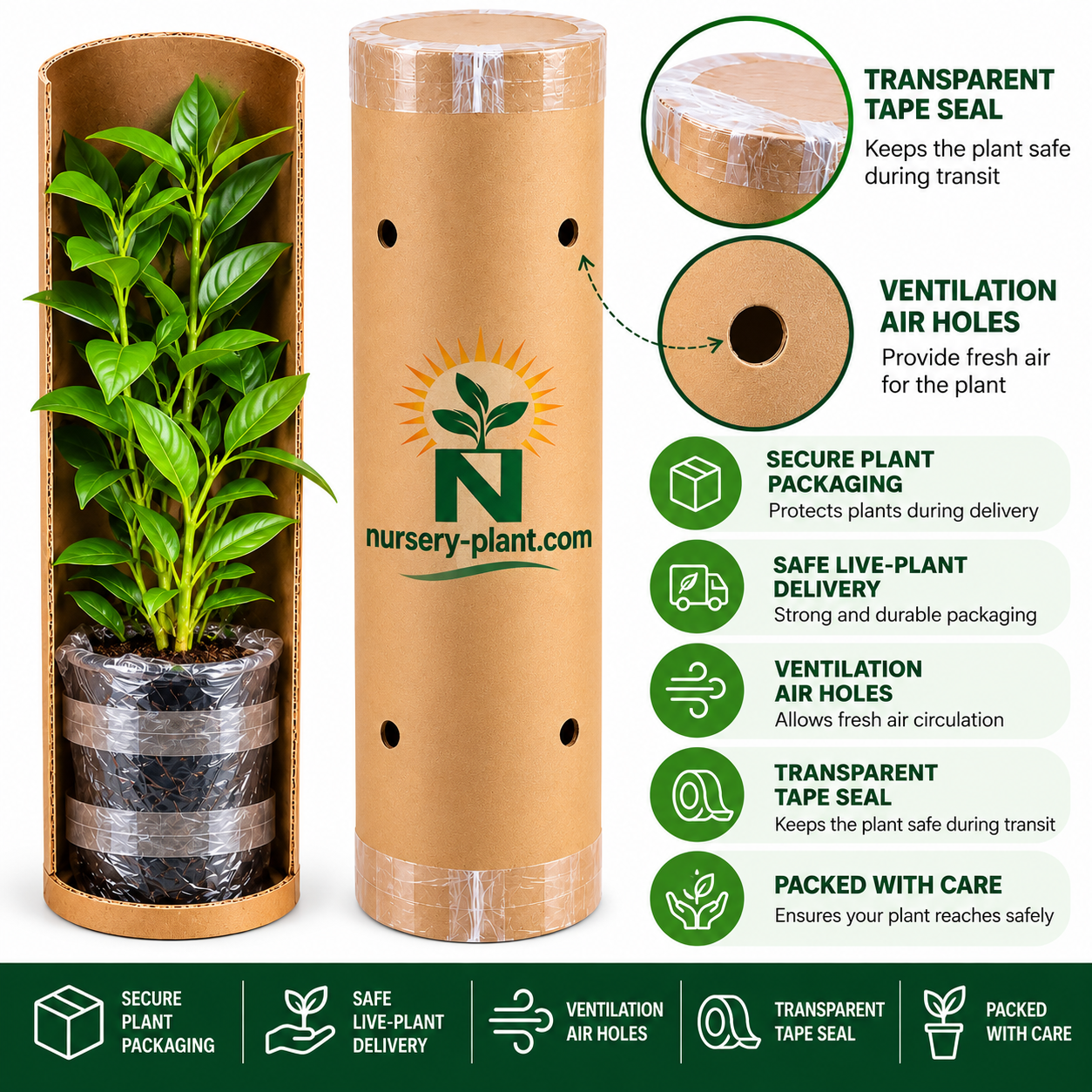
Your Starfish Snake Plant (Boncel) will be supplied as a live ornamental plant suitable for growing in a home garden, balcony or decorative pot.
As this is a living plant, leaf length, fan shape, number of leaves and overall appearance may vary according to its growth stage and season. The delivered plant may look slightly different from the product photograph.
After delivery, place it in a bright location and avoid excessive watering while it adjusts to its new environment.
Why Choose the Starfish Snake Plant?
- Unusual starfish-like fan-shaped foliage
- Thick, cylindrical succulent leaves
- Attractive modern decorative appearance
- Suitable for indoor and outdoor container gardening
- Low watering requirements
- Slow-growing and easy to maintain
- Excellent choice for succulent collectors
- Suitable for homes, balconies and bright offices
Botanical Information & Further Reading
Learn more about the Boncel Plant and its botanical classification through these references:
- Kew – Dracaena angolensis
- Royal Horticultural Society – Sansevieria cylindrica ‘Boncel’
- National Parks Board Singapore – Dracaena angolensis ‘Boncel’
- Penn State Extension – Snake Plant and Boncel Variety
- Port St. Lucie Botanical Gardens – Starfish Plant
- North Carolina State Extension – Dracaena angolensis
- Royal Horticultural Society – How to Grow Sansevierias
Frequently Asked Questions
1. What is the botanical name of the Starfish Snake Plant?
It is commonly sold as Sansevieria cylindrica ‘Boncel’. Its updated botanical placement is Dracaena angolensis ‘Boncel’.
2. Why is it called the Starfish Plant?
Its thick cylindrical leaves spread outward in a fan-like arrangement, creating an appearance similar to a starfish.
3. Is Boncel a succulent?
Yes. It is a succulent perennial with thick leaves that store water.
4. Can Boncel grow indoors?
Yes. It can grow indoors near a bright window or in another location with suitable light.
5. Does the Starfish Snake Plant need direct sunlight?
It grows well in bright light and can tolerate some direct sunlight. Morning sunlight is generally suitable, but protect it from harsh afternoon sun.
6. How often should I water Boncel?
Water only after the growing medium has dried completely. Avoid frequent watering and standing water.
7. Can Boncel grow in West Bengal?
Yes. It can grow in West Bengal if protected from prolonged monsoon rainfall and grown in well-draining soil.
8. Is Boncel suitable for office decoration?
Yes. Its unusual fan-shaped leaves make it an attractive decorative plant for bright offices and reception areas.
9. Does the Boncel Plant produce flowers?
Mature plants may occasionally produce an upright flower stalk with small, fragrant, pale-coloured flowers.
10. Can Boncel grow in a small pot?
Yes. It can grow in a decorative container, provided the pot has drainage holes and enough room for its roots.
11. How can I propagate the Starfish Snake Plant?
The recommended method is dividing healthy offsets that grow around the base of the mother plant.
12. Why are my Boncel leaves becoming soft?
Soft leaves can indicate overwatering or root rot. Check the roots and improve soil drainage.
13. Is the Starfish Snake Plant easy to maintain?
Yes. It is generally low-maintenance and needs less frequent watering than many ordinary houseplants.
14. Is Boncel safe for pets?
No. Snake plants can be harmful if eaten by cats or dogs. Keep the plant away from pets.
For More Information
Visit: Nursery-Plant.Com
For Contact Visit:Contact Us
For Shopping Visit: Shop Page


Reviews
There are no reviews yet.