

Xmas Plant – Norfolk Island Pine (Araucaria heterophylla)
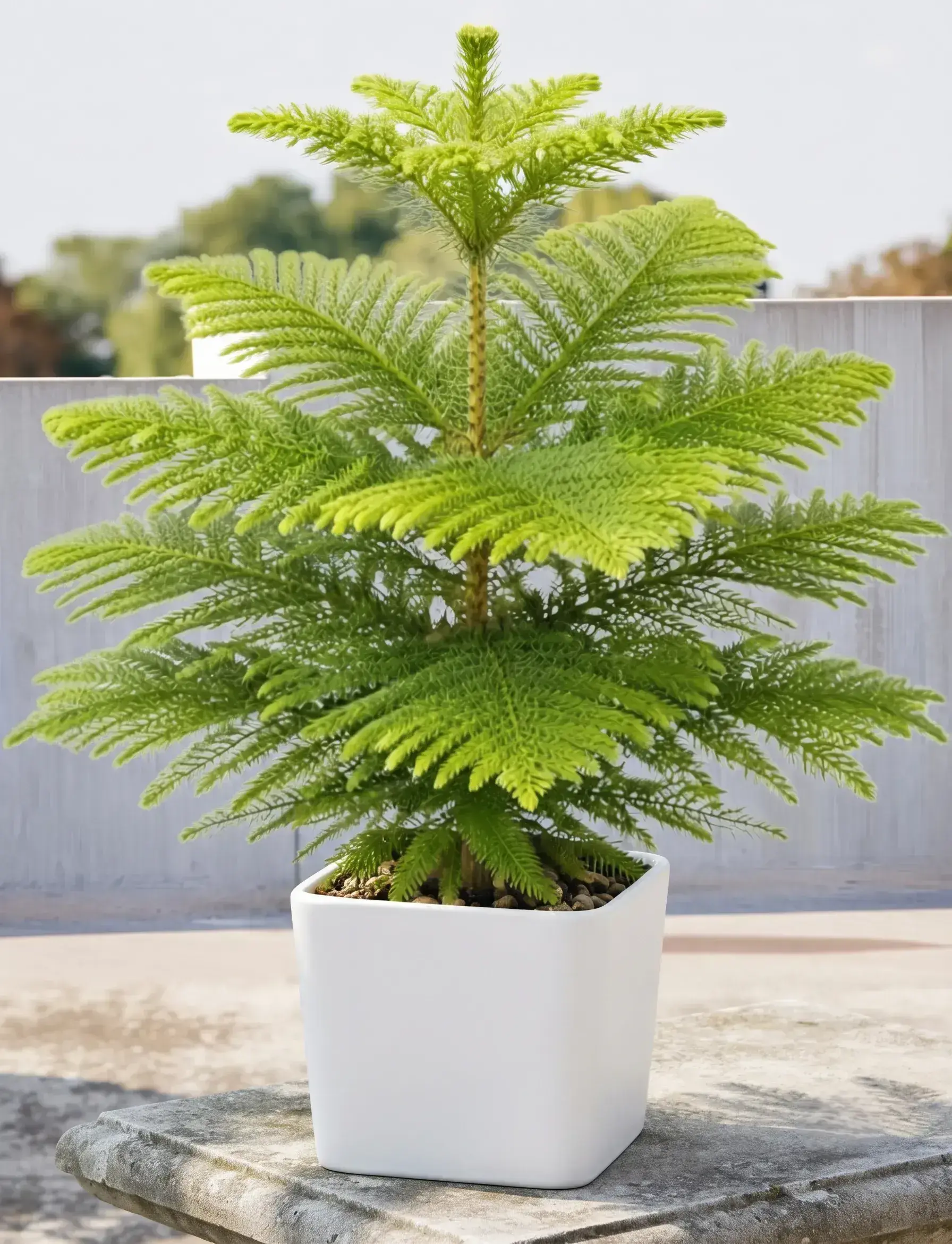
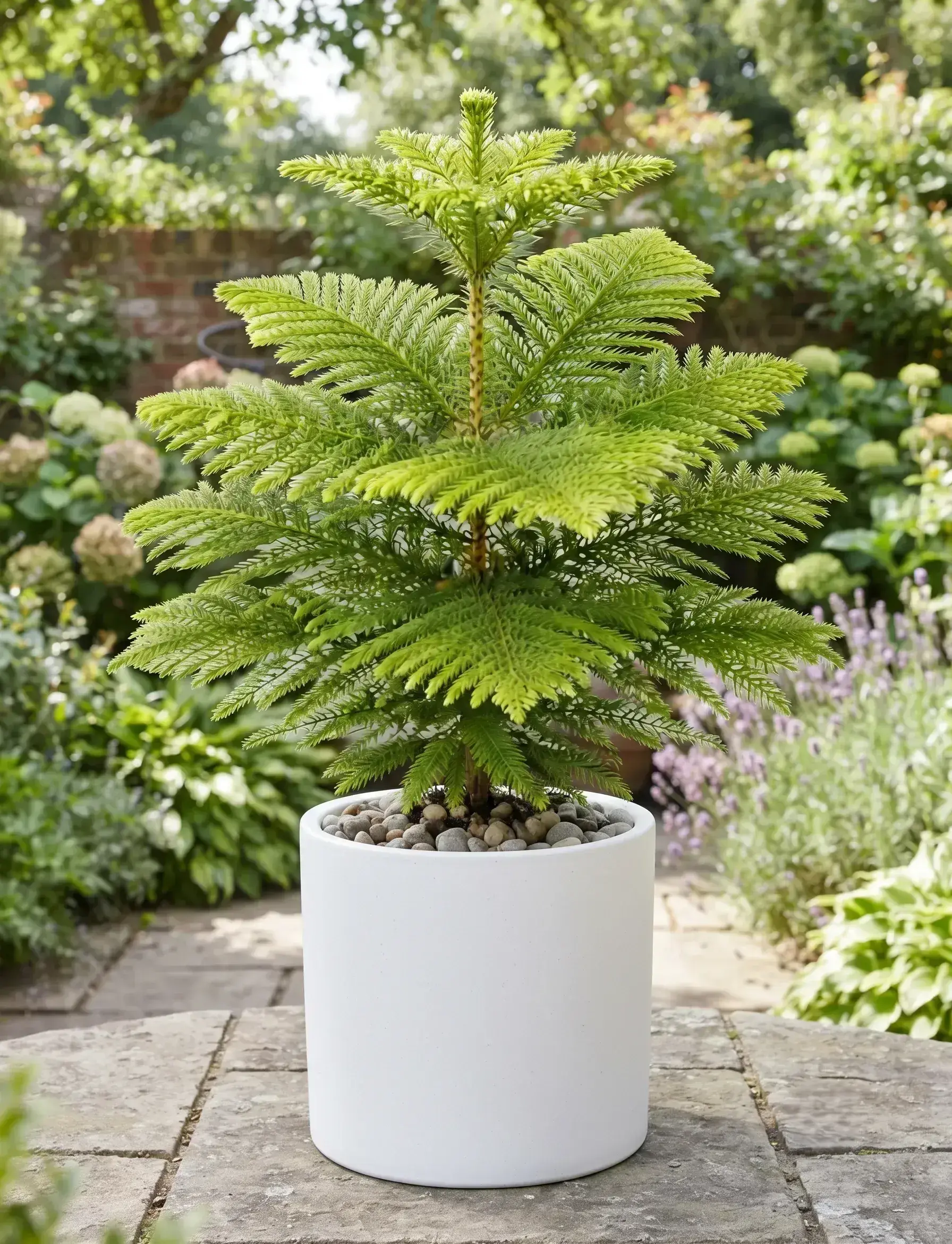
The Norfolk Island Pine (Araucaria heterophylla) Also known as Xmas Plant ,Christmas Tree Plant, House Pine and Norfolk Pine, this elegant evergreen conifer is admired for its symmetrical shape, soft-looking green foliage and beautifully arranged horizontal branches.
Its natural pyramid-like appearance makes it a popular choice for Christmas decoration, home interiors, balconies, patios and ornamental gardens. Young plants look especially attractive when displayed in decorative pots and can be used as living Christmas trees.
Unlike ordinary pine trees, Norfolk Island Pine has soft, fine, needle-like leaves arranged along graceful branches. Its branches grow in attractive horizontal layers around a central upright trunk.
It can be grown as a decorative indoor plant in a bright location or as an outdoor ornamental tree in suitable warm climates. With proper light, consistent watering and good drainage, it can remain an attractive part of your plant collection for many years.
Plant Highlights
- Common Name: Norfolk Island Pine, Xmas Plant, Christmas Tree Plant, House Pine
- Botanical Name: Araucaria heterophylla
- Family: Araucariaceae
- Origin: Norfolk Island, South Pacific
- Plant Type: Evergreen coniferous tree
- Growth Habit: Upright, pyramidal and symmetrical
- Foliage: Soft-looking, fine, needle-like leaves
- Leaf Colour: Fresh to deep green
- Light Requirement: Bright indirect light to gentle direct sunlight
- Water Requirement: Moderate
- Maintenance: Moderate
- Best For: Home décor, Christmas decoration, balconies, patios and ornamental gardens
About the Norfolk Island Pine
Norfolk Island Pine is an elegant evergreen tree native to Norfolk Island in the South Pacific.
Although it is commonly called a pine, it is not a true pine tree. It belongs to the ancient conifer family Araucariaceae.
The plant is admired for its distinctive growth pattern. Its branches develop in regular horizontal layers around a straight central trunk, creating a naturally symmetrical, pyramid-shaped appearance.
Young plants are particularly popular as indoor decorative trees and living Christmas trees. With suitable care, they can continue growing for many years.
Appearance and Growth
The Norfolk Island Pine has a graceful, upright growth habit.
- A central straight trunk supports the plant.
- Horizontal branches develop in regular layers.
- Soft-looking green foliage covers the branches.
- Young plants have a compact, symmetrical pyramid shape.
- Mature trees develop a much taller and broader structure.
- The plant remains evergreen throughout the year in suitable conditions.
In its natural outdoor environment, it can grow into a very large tree, potentially exceeding 30 metres. When grown in containers indoors, its growth is much slower and its size is more manageable.
Why Is It Called a Christmas Plant?
Norfolk Island Pine is widely used as a living Christmas tree because its natural pyramid-shaped structure resembles a traditional Christmas tree.
Its layered branches make it attractive for seasonal decoration.
You can decorate it with:
- Lightweight Christmas ornaments
- Small decorative stars
- Lightweight ribbons
- LED fairy lights
- Small festive accessories
Avoid heavy decorations because the branches can bend or become damaged. Use cool LED lights rather than lights that produce significant heat.
After the Christmas season, remove the decorations carefully and continue growing the plant as an ornamental evergreen.
Flowers and Cones
Norfolk Island Pine is a conifer, so it does not produce typical colourful garden flowers.
Mature trees can produce male and female cones. Female cones are large and rounded, while male cones are smaller and elongated.
Cones are uncommon on young indoor plants. Most home gardeners grow this tree for its attractive evergreen foliage and symmetrical shape.
Sunlight Requirements
Norfolk Island Pine needs plenty of natural light to maintain its healthy, symmetrical growth.
For better results:
- Place the plant near a bright window.
- Provide bright indirect light throughout the day.
- Gentle morning sunlight can be beneficial.
- Avoid sudden exposure to harsh afternoon sunlight.
- Rotate the pot occasionally to encourage balanced growth.
- Avoid dark corners and poorly lit rooms.
Insufficient light can cause weak growth, drooping branches and loss of lower foliage.
Watering Requirements
Norfolk Island Pine prefers soil that stays slightly moist but never waterlogged.
Follow these watering guidelines:
- Check the soil before watering.
- Water when the upper layer begins to dry.
- Water thoroughly until excess water drains from the bottom.
- Empty collected water from the pot tray.
- Do not allow the root system to remain in standing water.
During hot Indian summers, check the soil more frequently. During the humid monsoon season in West Bengal, reduce watering when the soil remains moist for longer.
Avoid allowing the root ball to dry out completely for extended periods.
Best Soil for Norfolk Island Pine
Norfolk Island Pine grows best in fertile, loose and well-draining soil.
A suitable potting mixture can include:
- 40% good-quality potting mix or loamy soil
- 25% cocopeat
- 20% compost or well-decomposed organic matter
- 15% perlite, pumice or coarse sand
The mixture should retain some moisture while allowing excess water to drain easily.
Avoid heavy, compacted soil that remains wet for long periods.
Temperature and Indian Climate
Norfolk Island Pine is a warm-climate evergreen conifer and can be grown in suitable Indian conditions.
In West Bengal, it is important to protect potted plants from prolonged waterlogging during the monsoon.
For better growth:
- Keep the plant in a bright, airy location.
- Protect it from extreme afternoon heat.
- Avoid continuous heavy rainfall on potted plants.
- Maintain good drainage.
- Protect it from unusually cold conditions.
- Avoid placing it directly beside hot air-conditioning outlets.
A bright indoor location, covered balcony or sheltered patio can be suitable.
Humidity Requirements
Norfolk Island Pine appreciates moderate to high humidity.
It can grow well in naturally humid environments, provided the roots are not kept excessively wet.
For better results:
- Maintain good air circulation.
- Keep the plant away from strong hot air.
- Avoid placing it beside air-conditioning outlets.
- Do not allow water to collect around the roots.
- Grouping plants can help create a slightly more humid environment.
Fertilizer Requirements
Norfolk Island Pine does not require heavy feeding.
- Apply a diluted balanced liquid fertilizer during active growth.
- Feed lightly during the growing season.
- Avoid excessive fertilizer application.
- Do not feed a stressed or waterlogged plant.
- Reduce feeding when growth slows.
Too much fertilizer can encourage weak growth and may damage the roots.
Growing Norfolk Island Pine in Pots
Norfolk Island Pine is an excellent choice for decorative containers, especially when grown as a living Christmas tree.
For best results:
- Choose a stable pot with drainage holes.
- Use a fertile, well-draining potting mixture.
- Select a container suitable for the root system.
- Place it in a bright location.
- Avoid allowing water to collect in the tray.
- Repot when the roots become crowded.
The plant grows slowly indoors, so frequent repotting is generally unnecessary.
As the plant becomes taller, choose a heavier and more stable container to prevent it from tipping over.
Best Places to Keep This Plant
Norfolk Island Pine is suitable for:
- Living rooms
- Bright indoor corners
- Christmas decorations
- Office reception areas
- Balconies
- Covered patios
- Decorative plant containers
- Outdoor ornamental gardens in suitable climates
Its natural Christmas-tree shape makes it particularly attractive as a standalone decorative plant.
Pruning and Maintenance
Norfolk Island Pine requires very little pruning.
Important maintenance tips:
- Remove only dead or damaged foliage when necessary.
- Avoid cutting the central growing tip.
- Do not cut healthy horizontal branches unnecessarily.
- Handle branches gently.
- Rotate the pot occasionally for balanced growth.
Important: Avoid cutting the central leader or main growing tip. Removing it can permanently change the plant’s natural upright shape. Damaged or removed branches generally do not grow back in their original position.
Propagation
Norfolk Island Pine can be propagated through seeds and suitable upright shoot-tip cuttings.
Method 1: Seed Propagation
- Collect fresh, mature seeds when available.
- Sow them in a suitable, well-draining propagation medium.
- Keep the medium lightly moist.
- Provide warm conditions and bright indirect light.
- Allow seedlings to establish before transplanting.
Seed propagation can be slow and success depends on seed freshness and growing conditions.
Method 2: Shoot-Tip Cuttings
Propagation from upright terminal shoot tips is possible but can be difficult for home gardeners.
Horizontal side branches generally do not develop into normally upright trees. For this reason, seed propagation or purchasing an established nursery plant is often more practical.
Common Problems and Solutions
1. Brown or Dry Foliage
This can occur due to underwatering, excessive heat, low humidity or root problems. Check soil moisture and the plant’s location.
2. Lower Branches Falling Off
Insufficient light, irregular watering or other environmental stress can cause lower branches to deteriorate. Improve growing conditions early because lost branches generally do not regrow.
3. Drooping Branches
Drooping can result from inadequate light, water stress or physical damage. Check the plant’s light and watering conditions.
4. Yellowing Foliage
Yellowing can be caused by overwatering, poor drainage or other environmental stress. Check the soil and roots.
5. Weak or Uneven Growth
Insufficient light or a damaged growing tip can affect the plant’s natural symmetrical shape. Provide bright light and avoid damaging the central leader.
6. Scale Insects
Small scale insects may appear on stems and foliage. Inspect the plant regularly and use an appropriate plant-safe treatment if necessary.
Is Norfolk Island Pine Suitable for Indoor Growing?
Yes. Norfolk Island Pine is a popular indoor conifer, particularly when young.
It grows well in bright indoor spaces near windows and can be displayed as a living Christmas tree.
For long-term indoor growth:
- Provide plenty of natural light.
- Maintain consistent soil moisture.
- Avoid waterlogging.
- Keep it away from strong hot air.
- Rotate the pot occasionally.
- Avoid damaging the central growing tip.
A dark room is not suitable for maintaining its attractive shape over time.
Safety and Handling
Norfolk Island Pine is grown mainly as an ornamental plant. Do not consume its foliage or cones. Keep the plant and detached parts away from young children and pets who may chew ornamental plants.
Live Plant Delivery Information
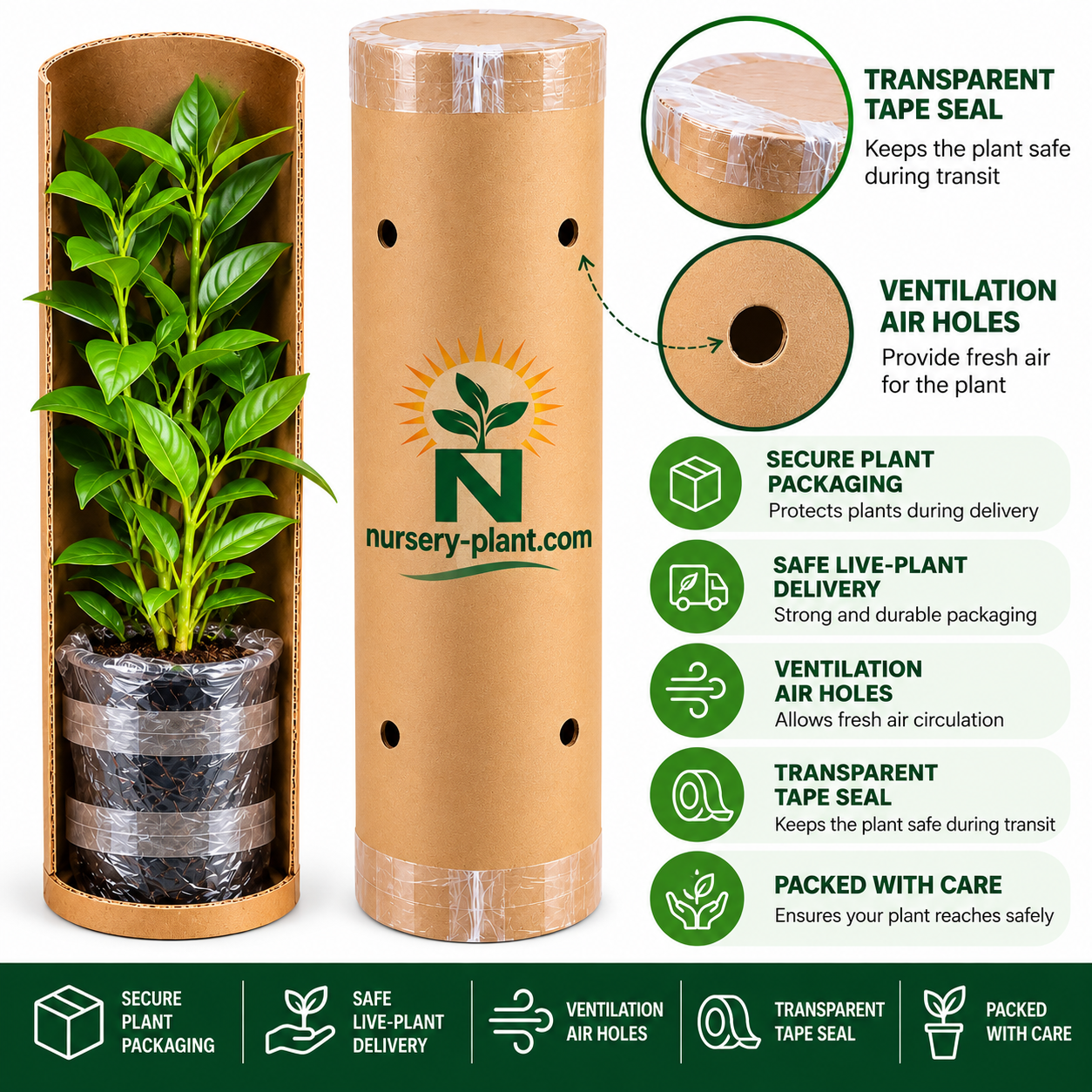
We carefully select and pack live plants for delivery. Since Norfolk Island Pine is a natural living plant, its height, branch arrangement, foliage density and overall shape may vary slightly from the product photograph.
Young plants may have fewer branches than mature specimens. This is a natural part of plant growth.
After receiving your plant:
- Unpack it carefully.
- Handle the branches gently.
- Place it in a bright location.
- Check the soil before watering.
- Avoid immediate heavy watering.
- Protect it from harsh afternoon sunlight and heavy rain.
- Allow the plant to adjust to its new environment.
Why Choose the Norfolk Island Pine Christmas Plant?
Norfolk Island Pine is a beautiful evergreen plant for anyone who loves natural Christmas decorations and elegant ornamental greenery.
Its symmetrical branches, fresh green foliage and naturally pyramid-shaped appearance make it suitable for homes, offices, balconies and decorative gardens.
It can be enjoyed as a living Christmas tree during the festive season and maintained as an ornamental plant throughout the year.
With bright light, careful watering and proper maintenance, Norfolk Island Pine can remain a lovely part of your plant collection for many years.
Botanical Information & Further Reading
- Royal Horticultural Society – Araucaria heterophylla
- North Carolina State Extension – Norfolk Island Pine
- New York Botanical Garden – Norfolk Island Pine Houseplant Guide
- University of Connecticut Extension – Norfolk Island Pine
- University of Florida IFAS – Araucaria heterophylla
- Kansas State University Extension – Norfolk Island Pine
- Missouri Extension – A Christmas Tree from the South Pacific
Frequently Asked Questions
1. What is the botanical name of the Xmas Plant?
Its botanical name is Araucaria heterophylla. It is commonly known as Norfolk Island Pine.
2. Is Norfolk Island Pine a true pine tree?
No. It is an evergreen conifer belonging to the Araucariaceae family, not the true pine family Pinaceae.
3. Can Norfolk Island Pine be used as a Christmas tree?
Yes. Its natural pyramid-shaped growth and layered branches make it an attractive living Christmas tree.
4. Can Norfolk Island Pine grow indoors?
Yes. It can grow indoors near a bright window with sufficient natural light.
5. Does Norfolk Island Pine need direct sunlight?
It prefers bright light and can benefit from gentle sunlight. Protect it from harsh afternoon sunlight.
6. How often should I water Norfolk Island Pine?
Water when the upper soil layer begins to dry. Keep the soil slightly moist but never waterlogged.
7. Can Norfolk Island Pine grow in West Bengal?
Yes. It can be grown in suitable conditions in West Bengal. Protect potted plants from continuous heavy rain and provide good drainage.
8. How tall can Norfolk Island Pine grow?
It can become a very large tree outdoors, potentially exceeding 30 metres. In containers, its growth is much slower.
9. Why are the lower branches of my Norfolk Island Pine turning brown?
This can result from inadequate light, inconsistent watering, low humidity or other environmental stress. Check the growing conditions early because damaged branches generally do not regrow.
10. Can I prune the top of Norfolk Island Pine?
Avoid cutting the central growing tip. It can permanently affect the plant’s natural upright shape.
11. Can Norfolk Island Pine grow in a pot?
Yes. It grows well in containers with drainage holes and a suitable well-draining potting mixture.
12. Does Norfolk Island Pine produce flowers?
It produces cones rather than typical ornamental flowers. Cones are uncommon on young indoor plants.
13. Can Norfolk Island Pine be decorated with Christmas lights?
Yes. Use lightweight, cool LED fairy lights and avoid heavy ornaments that can damage its delicate branches.
14. Is Norfolk Island Pine suitable for office decoration?
Yes. It is an attractive evergreen plant for bright offices, reception areas and indoor decorative spaces.
For More Information
Visit: Nursery-Plant.Com
For Contact Visit:Contact Us
For Shopping Visit: Shop Page


Reviews
There are no reviews yet.