
ZZ Plant | Zee Zee Plant (Zamioculcas zamiifolia) for Home & Office
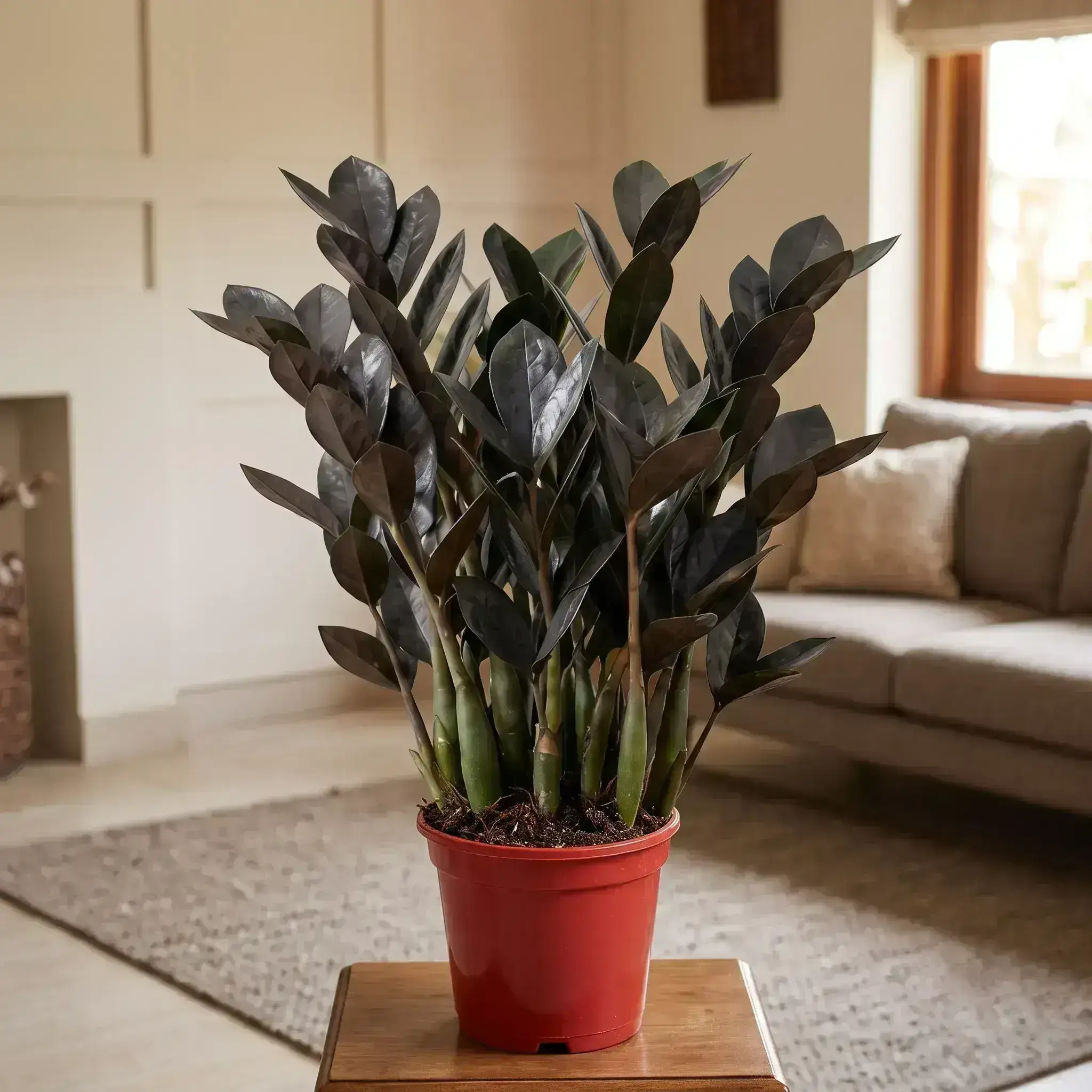
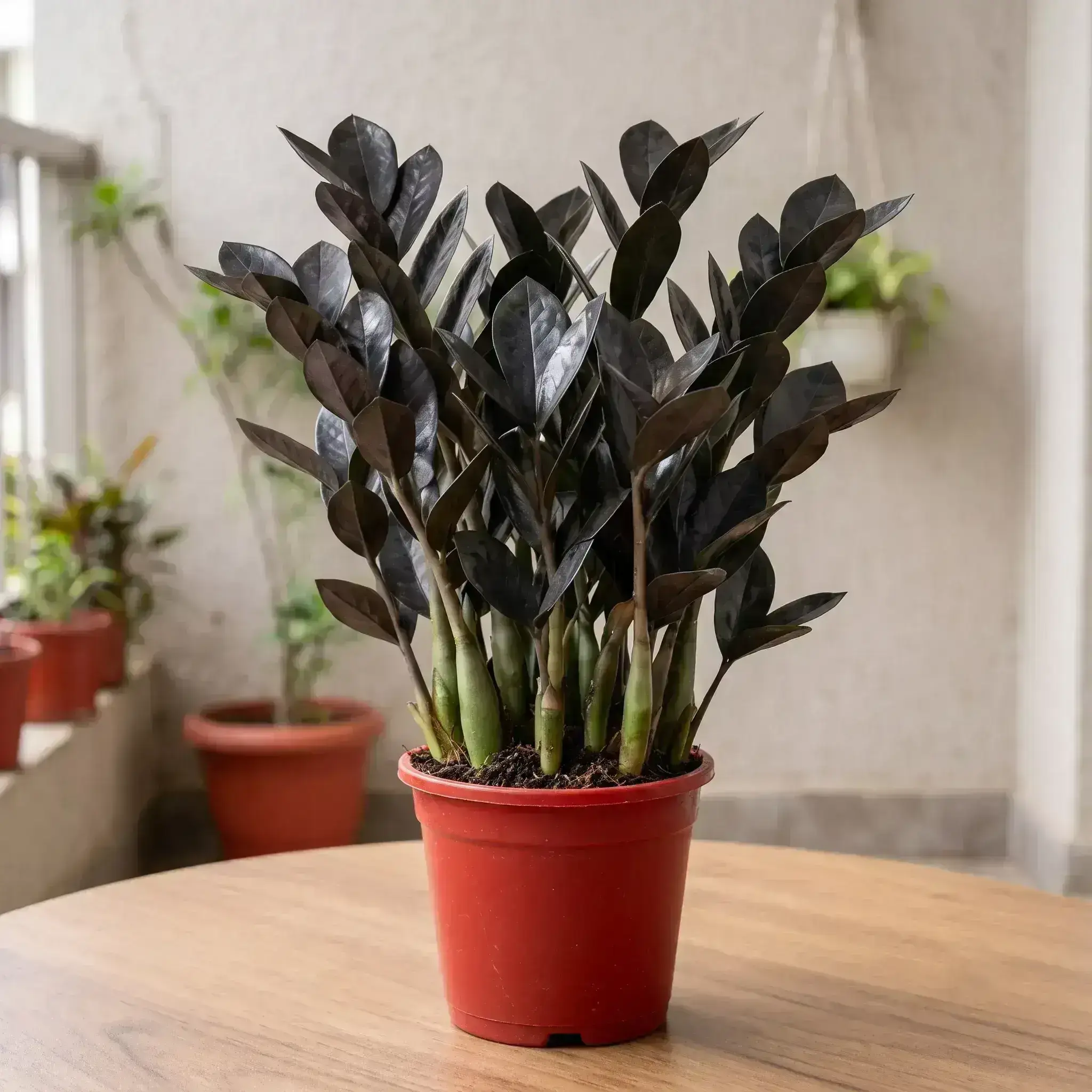
The ZZ Plant (Zamioculcas zamiifolia), also known as Zee Zee Plant, Zanzibar Gem and Eternity Plant. This popular indoor foliage plant is admired for its glossy, deep-green leaves, upright growth habit and attractive appearance.
The ZZ Plant is especially popular because it can tolerate lower-light indoor conditions and requires relatively little watering. Its thick underground rhizomes store water, helping it survive periods of dryness.
With its shiny green foliage and neat growth habit, the ZZ Plant is an excellent choice for living rooms, bedrooms, office desks, reception areas, balconies and decorative indoor containers.
Plant Highlights
- Common Names: ZZ Plant, Zee Zee Plant, Zanzibar Gem, Eternity Plant, Zuzu Plant
- Botanical Name: Zamioculcas zamiifolia
- Family: Araceae
- Plant Type: Evergreen tropical perennial
- Origin: Eastern Africa
- Foliage: Glossy, dark-green, oval-shaped leaflets
- Growth Habit: Upright and clump-forming
- Light Requirement: Bright indirect light to low light
- Water Requirement: Low; allow the potting mix to dry completely between watering
- Uses: Indoor decoration, office spaces, living rooms, bedrooms and balcony containers
- Maintenance: Very low
About the ZZ Plant
The ZZ Plant is a tropical perennial belonging to the Araceae family. It is native to eastern Africa, including regions of Kenya, Tanzania, Mozambique and nearby areas.
Its most attractive feature is its glossy green foliage. Each leaf consists of several smooth, oval-shaped leaflets arranged along a thick, upright leaf stalk.
The plant grows from thick underground rhizomes that store water and nutrients. These natural storage structures help it tolerate dry periods and make it one of the popular low-maintenance indoor plants.
The ZZ Plant grows slowly and gradually develops a fuller appearance as new shoots emerge from the underground rhizomes.
Appearance and Growth Habit
The ZZ Plant has a clean, upright growth habit that makes it suitable for modern indoor decoration.
Its main characteristics include:
- Thick, upright green leaf stalks.
- Glossy, dark-green leaflets.
- Smooth, oval-shaped foliage.
- Thick underground water-storing rhizomes.
- New shoots emerging from the base.
- Naturally compact and clump-forming growth.
Under suitable conditions, the plant can gradually become a fuller ornamental display. Its mature size depends on growing conditions, plant age and container space.
Sunlight Requirements
ZZ Plant is adaptable to different light conditions and can tolerate relatively low-light indoor environments.
For indoor growing:
- Place it in a bright room with indirect sunlight.
- It can tolerate lower-light office spaces.
- Avoid strong direct afternoon sunlight.
- Rotate the pot occasionally for balanced growth.
For outdoor growing:
- Choose a shaded or partially shaded location.
- Protect the leaves from intense direct sunlight.
- A covered balcony or shaded patio is suitable.
Although it can survive in low light, bright indirect sunlight generally supports better growth. Strong direct sunlight can cause leaf scorching, fading or brown patches.
Watering Requirements
ZZ Plant is drought tolerant because its underground rhizomes store water. Overwatering is one of the most common causes of problems with this plant.
Follow these watering guidelines:
- Allow the potting mix to dry completely before watering again.
- Water thoroughly when the soil is dry.
- Allow excess water to drain through the pot.
- Never leave the plant standing in collected water.
- Reduce watering during cooler periods when growth slows.
The watering frequency depends on pot size, soil mixture, temperature and light conditions. A plant in a low-light room may need much less water than one growing in a brighter, warmer location.
During the humid monsoon season in West Bengal, check the soil carefully before watering. Do not water simply because a fixed number of days has passed.
Soil and Potting Mix
ZZ Plant needs a loose, well-draining potting mix. Its underground rhizomes are sensitive to prolonged waterlogging.
A suitable potting mix can include:
- Quality indoor potting soil
- Coco peat or another organic growing medium
- Perlite or pumice
- Coarse sand for improved drainage
A lightweight mix that drains freely is preferable to heavy garden soil.
Choose a pot with drainage holes. Avoid oversized containers because excess soil can remain wet for too long.
Temperature and Humidity
ZZ Plant prefers warm indoor and tropical conditions.
- Keep the plant in a warm location.
- Protect it from cold winds and frost.
- Avoid sudden temperature changes.
- Keep it away from direct air-conditioner airflow.
- Normal indoor humidity is generally sufficient.
In Indian summers, avoid placing the plant in a location where the pot becomes excessively hot. During the monsoon, maintain good drainage and avoid excessive watering.
Fertilizer and Plant Nutrition
ZZ Plant is a slow-growing plant and does not require frequent feeding.
- Apply a balanced liquid houseplant fertilizer during active growth.
- Use a diluted concentration according to the manufacturer’s instructions.
- Feed occasionally during spring and summer.
- Avoid excessive fertilizer application.
- Reduce feeding when growth slows.
Overfertilizing can cause root stress and salt buildup in the potting medium. Moderate feeding is usually sufficient.
Growing ZZ Plant in Pots
ZZ Plant is especially suitable for container gardening and indoor decoration.
It can be displayed in:
- Decorative indoor pots
- Living room corners
- Office reception areas
- Bedroom planters
- Study-room containers
- Covered balcony planters
Choose a sturdy pot with drainage holes. The plant generally does not need frequent repotting because of its slow growth.
Repot when the underground rhizomes become crowded or the plant outgrows its existing container. Choose a pot only slightly larger than the previous one.
Growing ZZ Plant in the Home Garden
ZZ Plant can also be grown outdoors in suitable warm climates.
It looks attractive when planted:
- In shaded garden corners
- Under the light canopy of larger trees
- Along sheltered garden borders
- In covered patios
- In decorative outdoor containers
- Around other tropical foliage plants
Choose a protected location with partial or deep shade. Avoid exposed areas with strong afternoon sunlight and heavy waterlogging.
Pruning and Maintenance
ZZ Plant requires very little pruning.
- Remove completely yellow or damaged leaf stalks.
- Use clean, sharp pruning scissors.
- Cut damaged stems close to the soil surface.
- Remove dead foliage carefully.
- Wipe dusty leaflets with a soft, damp cloth.
Avoid removing healthy green stems unnecessarily. The plant naturally grows slowly and does not require frequent trimming.
Propagation
ZZ Plant can be propagated through division or leaf cuttings.
Propagation through division:
- Carefully remove the plant from its container.
- Identify separate sections of the underground rhizome.
- Divide the plant into sections with healthy roots and growing shoots.
- Replant each section in a suitable well-draining potting mix.
- Keep the new plants in bright indirect light.
- Water lightly and avoid excessive moisture while they establish.
Propagation through leaf cuttings:
- Select a healthy leaf from the plant.
- Remove it carefully using a clean tool.
- Allow the cut surface to dry briefly.
- Insert the lower end into a moist, well-draining propagation medium.
- Keep it in a warm location with indirect light.
- Maintain moderate moisture and be patient.
Leaf propagation is a slow process. Small rhizomes and new shoots may take several months to develop.
Common Problems and Solutions
1. Yellowing Leaves
Overwatering is a common cause of yellow leaves. Check whether the soil remains wet and ensure that excess water can drain freely.
2. Soft or Rotting Rhizomes
Constantly wet soil can cause underground rhizome rot. Remove severely damaged plant material and correct the drainage problem.
3. Brown or Scorched Leaves
Strong direct sunlight can damage the foliage. Move the plant to a location with bright indirect light.
4. Slow Growth
ZZ Plant naturally grows slowly. Growth may become even slower in low-light conditions or during cooler periods.
5. Drooping Stems
Possible causes include excessive watering, prolonged dryness or insufficient light. Check the soil and root condition before changing the watering routine.
6. Pest Problems
Scale insects, mealybugs and spider mites may occasionally affect the plant. Inspect the stems and undersides of leaflets regularly and treat infestations early using an appropriate plant-safe method.
Is ZZ Plant Suitable for Indoor Growing?
Yes. ZZ Plant is one of the popular indoor foliage plants because it tolerates lower-light conditions and does not need frequent watering.
It is suitable for:
- Living rooms
- Bedrooms
- Office spaces
- Reception areas
- Study rooms
- Covered balconies
It can tolerate relatively low light, but bright indirect sunlight supports healthier growth. Avoid placing it in a completely dark location for extended periods.
Important Safety Information
ZZ Plant is toxic if eaten. All parts contain insoluble calcium oxalate crystals that can cause irritation if chewed or swallowed.
Possible symptoms include:
- Burning or irritation in the mouth
- Swelling of the lips and tongue
- Discomfort in the throat
- Digestive irritation
Keep the plant away from children and pets. Wear gloves when dividing or handling damaged plant material if you have sensitive skin, and wash your hands afterwards.
If a child or pet chews or swallows any part of the plant, seek appropriate medical or veterinary advice.
Live Plant Delivery Information
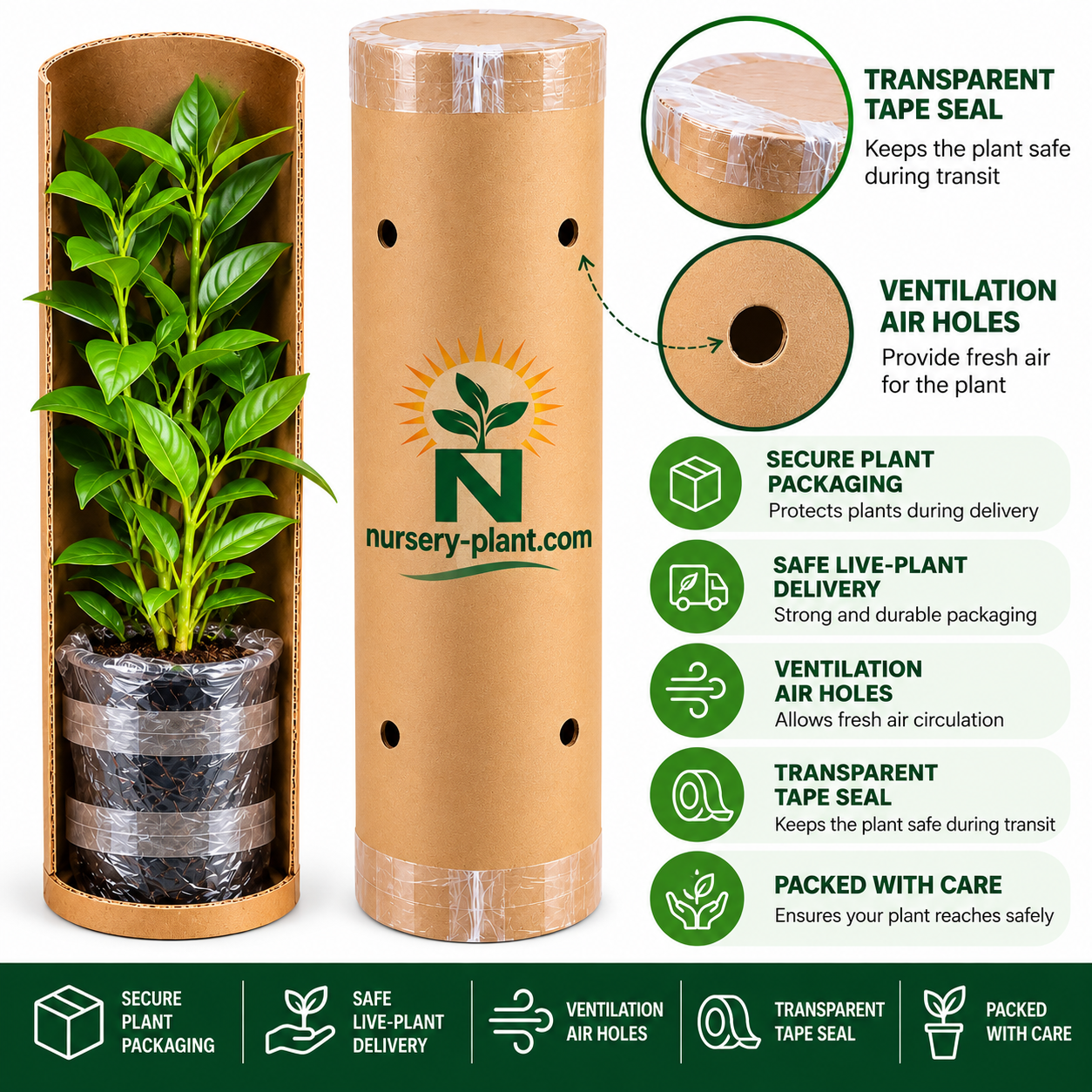
- This listing is for a live ZZ Plant (Zamioculcas zamiifolia).
- Plant height, number of stems, leaf count and overall fullness may vary.
- Natural variations in leaf size and colour are normal.
- Minor leaf movement or temporary drooping may occur during transportation.
- Unpack the plant carefully and place it in a bright, sheltered location.
- Allow the plant to adjust to its new surroundings before repotting or applying fertilizer.
- Check the soil before watering and avoid adding water if it is already moist.
Why Choose the ZZ Plant?
ZZ Plant is an attractive, low-maintenance foliage plant that brings a fresh tropical appearance to homes and offices. Its glossy green leaves, upright stems and drought-tolerant underground rhizomes make it a practical choice for indoor plant collections.
Its ability to tolerate lower-light conditions and survive periods without frequent watering makes it suitable for busy homes and workplaces.
Whether displayed in a living room, office reception area or decorative balcony container, ZZ Plant adds a neat and elegant green touch to your surroundings.
Botanical Information & Further Reading
Explore these trusted botanical and horticultural resources for additional information:
- Kew Science – Zamioculcas zamiifolia botanical classification
- North Carolina State University – ZZ Plant (Zamioculcas zamiifolia)
- University of Florida IFAS – ZZ Plant Care Guide
- University of Florida IFAS – Florida Foliage House Plant Care: ZZ Plant
- University of Connecticut – ZZ Plant Growing and Care Guide
- New York Botanical Garden – ZZ Plant Houseplant Care
- Queensland Poisons Information Centre – Zanzibar Gem Safety Information
Frequently Asked Questions
1. What is the botanical name of the ZZ Plant?
The botanical name is Zamioculcas zamiifolia. It belongs to the Araceae family.
2. Why is it called the Zee Zee Plant?
The name ZZ Plant comes from the abbreviation of its botanical genus and species name, Zamioculcas zamiifolia.
3. Can ZZ Plant grow in West Bengal?
Yes. It can grow in suitable warm conditions in West Bengal. Keep it in partial shade or bright indirect light and avoid excessive watering during the humid monsoon.
4. Can ZZ Plant grow indoors?
Yes. It is an excellent indoor foliage plant because it can tolerate lower-light conditions and requires relatively little watering.
5. Does ZZ Plant need direct sunlight?
No. Bright indirect light is preferable. Strong direct sunlight can scorch or discolour its leaves.
6. How often should I water ZZ Plant?
Water only after the potting mix has dried completely. The frequency depends on the pot, soil, temperature and light conditions.
7. Why is my ZZ Plant turning yellow?
Overwatering and poor drainage are common causes. Check the soil and underground rhizomes before adding more water.
8. Can ZZ Plant survive without frequent watering?
Yes. Its underground rhizomes store water, helping it tolerate dry periods. However, prolonged neglect can eventually cause leaf loss and poor growth.
9. Can ZZ Plant be grown in an office with low light?
Yes. It can tolerate relatively low indoor light, although bright indirect light encourages better growth.
10. Is ZZ Plant poisonous to pets?
Yes. All parts contain calcium oxalate crystals and can cause irritation if chewed or swallowed. Keep the plant away from cats, dogs and children.
11. Can ZZ Plant be propagated at home?
Yes. It can be propagated through rhizome division or leaf cuttings. Leaf propagation is slow and requires patience.
12. Does ZZ Plant produce flowers?
Yes. Mature plants can occasionally produce a small flower structure called a spadix, surrounded by a pale green spathe. However, the plant is mainly grown for its attractive foliage.
For More Information
Visit: Nursery-Plant.Com
For Contact Visit:Contact Us
For Shopping Visit: Shop Page


Reviews
There are no reviews yet.