
Mother of Thousands Plant | Kalanchoe daigremontiana Live Succulent for Home Garden & Indoor Décor
🌿 About the Plant
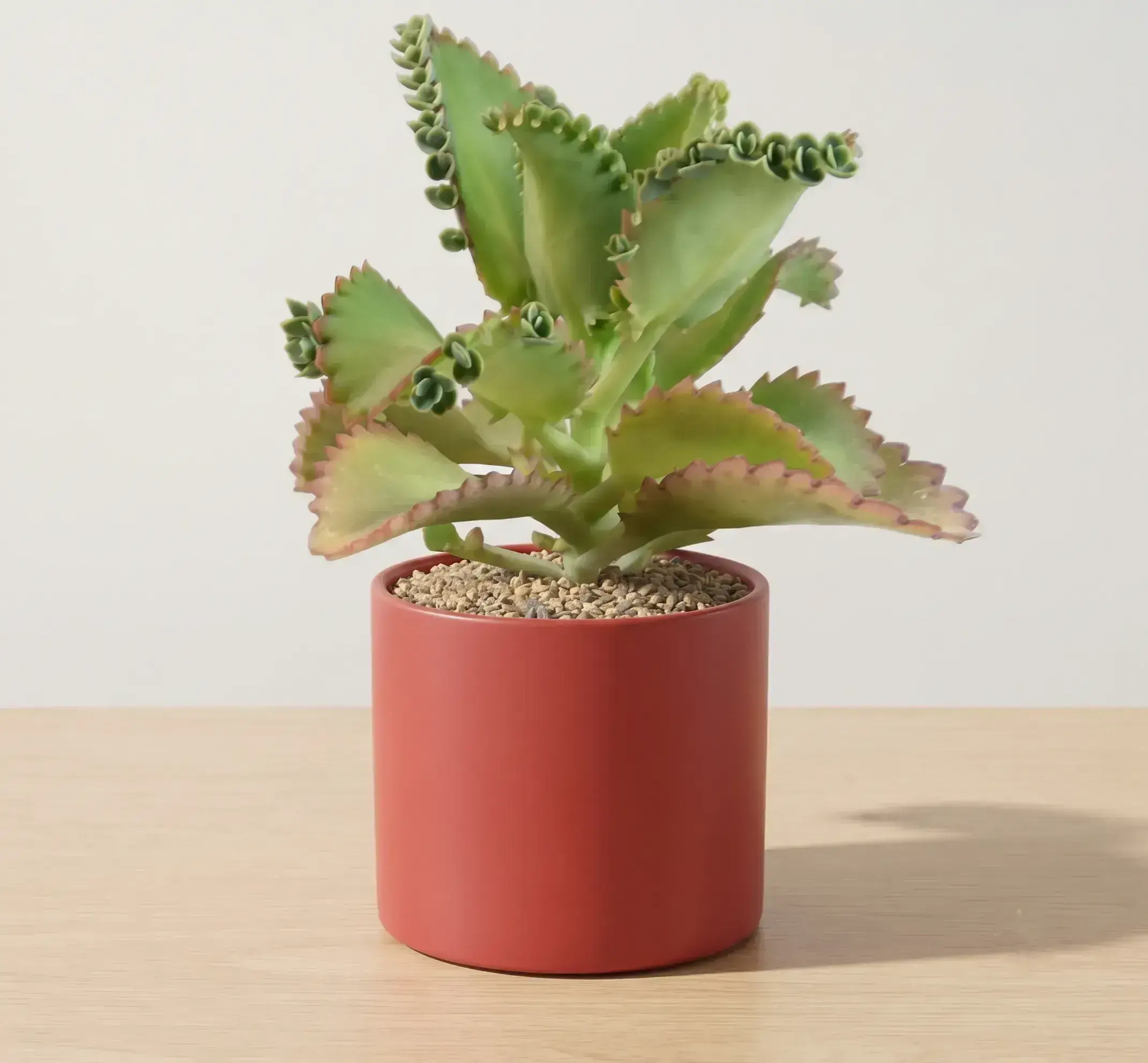
Mother of Thousands is a fascinating succulent famous for producing tiny baby plantlets along the edges of its leaves. Its botanical name is Kalanchoe daigremontiana, and it belongs to the Crassulaceae family.
Kew currently accepts Kalanchoe daigremontiana as the correct species name and records Bryophyllum daigremontianum as a synonym. The species is native to southwestern Madagascar, where it grows in dry environments.
The plant’s unusual reproductive habit is responsible for its popular name. Small plantlets can develop along the margins of mature leaves, giving the impression that the mother plant is continuously producing many young plants.
Mother of Thousands is an excellent choice for succulent collections, balconies, bright windowsills, terraces and decorative indoor plant corners. It is particularly interesting for gardeners who enjoy unusual plants and natural propagation.
The plant is supplied with a pot, making it convenient for home display.
🌱 Plant Characteristics
- Common Name: Mother of Thousands
- Botanical Name: Kalanchoe daigremontiana
- Synonym: Bryophyllum daigremontianum
- Family: Crassulaceae
- Plant Type: Succulent perennial
- Growth Habit: Upright and branching
- Leaves: Long, triangular and fleshy
- Leaf Colour: Grey-green to green
- Special Feature: Plantlets develop along leaf margins
- Water Requirement: Low to moderate
- Light: Bright light to full sun
- Best Use: Home garden, balcony, terrace, windowsill and container gardening
- Maintenance: Relatively low
RHS describes the plant as an upright succulent perennial with triangular-lance-shaped grey-green leaves and rows of plantlets along the leaf edges.
🍃 Leaves & Appearance
The leaves are the most distinctive feature of Mother of Thousands.
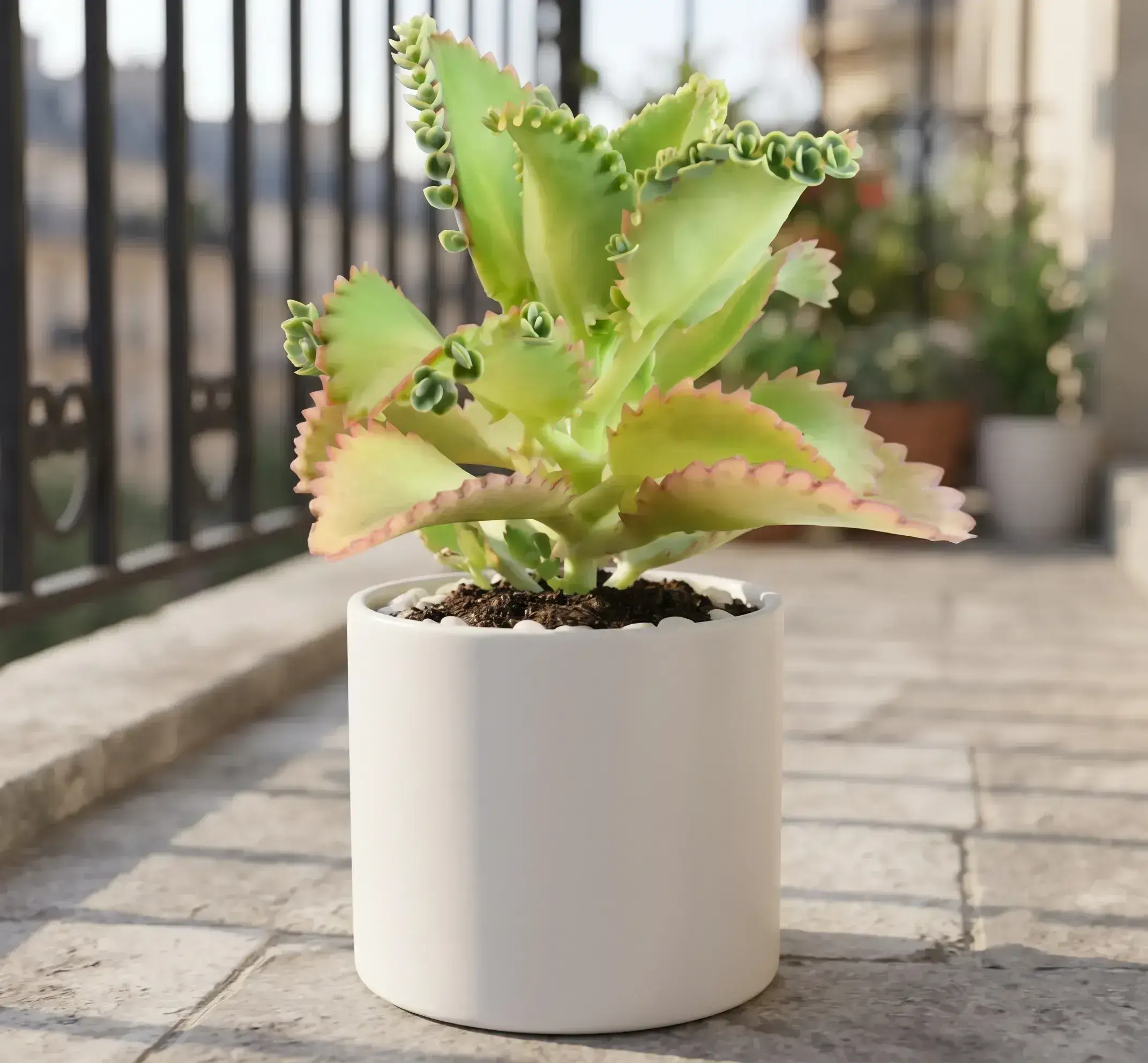
They are elongated, triangular to lance-shaped and fleshy, allowing the plant to store water. Mature leaves may have attractive brownish or darker markings, adding to the plant’s ornamental appearance.
The leaf edges are especially interesting because they can produce numerous small plantlets.
These tiny plants may begin developing while still attached to the mother leaf. Once sufficiently developed, they can fall or detach and establish themselves in suitable growing conditions.
This natural propagation mechanism makes Mother of Thousands an excellent educational plant for observing how plants reproduce vegetatively.
🌱 The “Thousands” Feature
The name Mother of Thousands comes from the plant’s ability to produce many small plantlets.
Tiny young plants can appear along the margins of mature leaves. Each plantlet can eventually develop roots and leaves of its own.
Under favourable conditions, this can result in many young plants around the base of the mother plant or in nearby pots.
This is one of the most unusual features of Kalanchoe daigremontiana and is a major reason for its popularity among succulent enthusiasts.
Because the plant can reproduce readily, gardeners should remove unwanted plantlets if they do not want the plant to spread into neighbouring containers.
☀️ Sunlight Requirements
Mother of Thousands prefers bright light and plenty of sunlight.
RHS recommends a full-sun position for Kalanchoe daigremontiana.
Good locations include:
- Bright windowsills
- Sunny balconies
- Terraces
- Patios
- Bright indoor rooms
- Outdoor succulent gardens
If the plant has been grown under filtered light, gradually introduce it to stronger direct sunlight rather than moving it suddenly into intense midday sun.
In India’s hot summer climate, strong afternoon sunlight can be intense, particularly through glass. Morning sun and bright filtered afternoon light can be a useful arrangement for indoor plants.
Insufficient light can lead to weaker, elongated growth and less attractive foliage.
💧 Watering
Mother of Thousands is a water-storing succulent, so it does not require frequent watering.
Allow the growing medium to dry appropriately before watering again. RHS recommends moderate watering with more sparing watering during winter.
A practical routine is:
- Check the soil before watering.
- If the soil is still damp, wait.
- Water thoroughly once the soil has dried sufficiently.
- Allow excess water to drain completely.
- Never leave the pot standing in water.
- Reduce watering during cooler or slow-growth periods.
During India’s monsoon season, be especially careful because high humidity and frequent rain can keep the soil wet for longer.
Overwatering is one of the most common problems with succulent plants.
🪴 Soil & Potting
Mother of Thousands grows best in well-draining soil.
RHS recommends a loam-based potting compost with additional sharp sand or grit when cultivating the plant under glass.
A suitable home container mix can include:
- Well-draining potting soil
- Coarse sand
- Perlite or pumice
- Horticultural grit
- A moderate amount of organic compost
The aim is to prevent prolonged water retention around the roots.
A pot with drainage holes is strongly recommended.
Avoid heavy soil that remains wet for several days after watering.
🌱 Fertilizer & Nutrition
Mother of Thousands does not require heavy feeding.
During active growth, a diluted balanced liquid fertilizer can be applied occasionally.
RHS recommends feeding with a balanced liquid fertilizer around two or three times during the growing season under its cultivation conditions.
Avoid excessive fertilizer. Succulents generally perform better with controlled nutrition rather than heavy feeding.
Good light, appropriate watering and well-draining soil are more important than frequent fertilizer application.
🌸 Flowers
Mature Mother of Thousands can produce hanging or pendent tubular flowers.
RHS describes the flowers as greyish-pink and approximately 2 cm long, opening during winter under its stated growing conditions.
Flowering depends on plant maturity, seasonal conditions, light, temperature, nutrition and overall health.
A young plant supplied for home gardening should not be expected to flower immediately after delivery.
The foliage and naturally produced plantlets are the primary ornamental features of this species.
🏡 Home Garden Suitability
Mother of Thousands is suitable for many home gardening environments.
It can be grown in:
- Balconies
- Terraces
- Sunny windowsills
- Patios
- Courtyards
- Succulent collections
- Container gardens
- Bright indoor plant corners
Its unusual leaf shape and baby plantlets make it particularly attractive as a conversation plant.
Because it prefers bright light, choose a well-lit indoor location rather than a dark corner.
🪴 Container & Indoor Décor
This plant is well suited to container cultivation.
The supplied pot allows it to be displayed directly in a home or office.
Suitable decorative locations include:
- Study tables near bright windows
- Living-room windowsills
- Balcony shelves
- Plant stands
- Sunny kitchen windows
- Office areas with strong natural light
For indoor cultivation, adequate light and good drainage are essential.
Avoid placing the plant directly beside a frequently used walkway where falling plantlets could spread into other pots unintentionally.
✂️ Pruning & Maintenance
Mother of Thousands generally requires little routine pruning.
Remove:
- Completely dry leaves
- Damaged foliage
- Dead flowering stems
- Unwanted young plantlets
If you want to prevent the plant from spreading into neighbouring pots, regularly collect fallen plantlets.
Use clean tools when pruning.
Wear gloves if you have sensitive skin and wash your hands after handling the plant.
🌱 Propagation
Propagation is one of the easiest and most interesting aspects of this plant.
The small plantlets that develop along the leaf margins can naturally detach and establish themselves in suitable growing conditions.
For controlled propagation:
- Carefully collect healthy plantlets.
- Place them on suitable, well-draining succulent soil.
- Provide bright but initially gentle light.
- Keep the growing medium only lightly moist.
- Allow the young plant to establish gradually.
Because the plant naturally produces many plantlets, propagation material is often readily available on mature specimens.
🌡️ Temperature & Indian Climate
Mother of Thousands originates from the dry regions of Madagascar and generally prefers warm conditions with good drainage.
It can be grown successfully in many Indian homes when protected from prolonged waterlogging.
During the monsoon:
- Keep potted plants under suitable shelter.
- Avoid continuous heavy rainfall.
- Allow the soil to dry between waterings.
- Maintain good ventilation.
- Check that drainage holes remain clear.
During very hot weather, bright light is beneficial, but plants newly moved from shade should be acclimatised gradually.
🌿 Indoor Growing Notes
Although Mother of Thousands can be used as an indoor decorative plant, it should not be treated as a low-light houseplant.
For healthy growth indoors, provide strong natural light.
A bright windowsill is generally more suitable than:
- A dark bedroom corner
- A windowless office
- A deep shelf away from windows
- A permanently shaded room
If adequate natural light is unavailable, suitable supplemental grow lighting can be considered.
⚠️ Pet & Child Safety
Important: Kalanchoe species can be toxic to pets.
ASPCA lists Kalanchoe species as toxic to dogs and cats, identifying bufadienolides as toxic principles and reporting possible signs including vomiting, diarrhoea and, rarely, abnormal heart rhythm.
The ASPCA’s general Kalanchoe listing covers the genus rather than providing a species-specific toxicology assessment for Kalanchoe daigremontiana. Therefore, the safest approach is to keep Mother of Thousands away from pets and prevent ingestion.
The plant should also not be consumed by people or used as a home remedy based on online claims.
If a pet is suspected of ingesting the plant, contact a veterinarian promptly.
🌱 Responsible Cultivation & Spread
Mother of Thousands can produce numerous plantlets and may spread beyond its intended container if young plants are allowed to fall and establish freely.
Kew records Kalanchoe daigremontiana as introduced in numerous regions outside its native Madagascar, including parts of tropical and subtropical areas.
For responsible home gardening:
- Keep the plant in a managed container.
- Remove unwanted plantlets.
- Do not intentionally release it into natural habitats.
- Do not dispose of live plantlets in natural areas.
- Prevent unwanted spread into neighbouring land or waterways.
🌳 Space Requirement
Mother of Thousands has an upright growth habit and can become a reasonably tall succulent.
RHS gives an eventual height of approximately 0.5–1 metre and a spread of 0.1–0.5 metre under its stated growing conditions.
The size of the plant supplied should not be confused with its eventual mature size.
Provide enough vertical space for the plant to grow and enough room around the pot for its leaves to develop naturally.
🌱 Special Cultivation Notes
The key to growing Mother of Thousands successfully is:
Bright light + well-draining soil + controlled watering + regular plantlet management.
Do not water according to a fixed daily schedule.
Instead, check the growing medium and water only when it has dried appropriately.
If you want a tidy indoor display, periodically remove fallen plantlets before they establish in other pots.
🌱 Why Choose This Plant?
- Fascinating “Mother of Thousands” leaf propagation
- Attractive triangular succulent leaves
- Unique grey-green foliage
- Easy to maintain in suitable conditions
- Low watering requirement
- Suitable for container gardening
- Excellent conversation plant
- Interesting choice for succulent collectors
- Suitable for balconies and bright indoor spaces
- Can produce attractive tubular flowers when mature
- Supplied with a pot for convenient home display
- Excellent educational plant for observing vegetative propagation
📦 Live Plant Delivery & Natural Variation
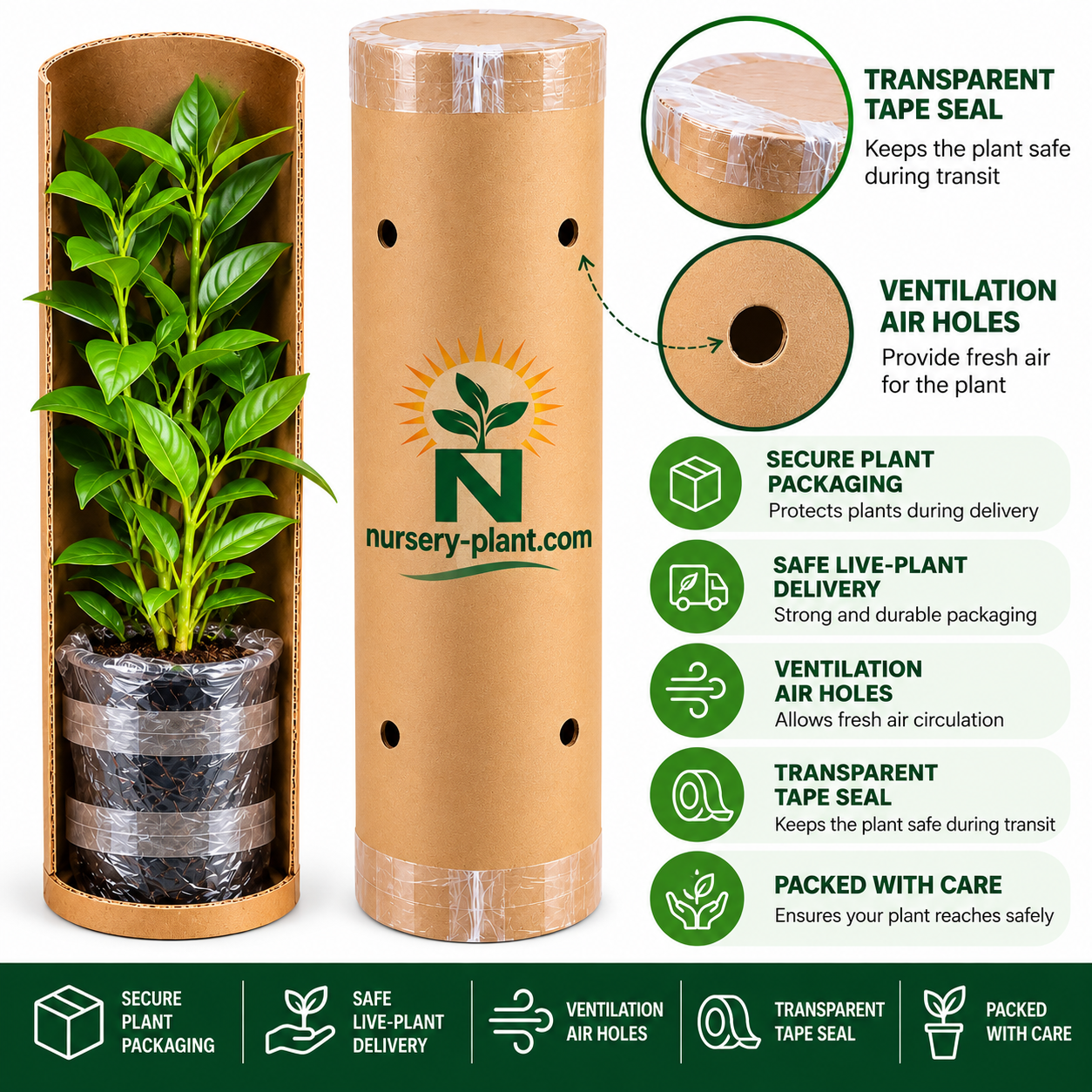
This is a live succulent plant, so the exact appearance of the delivered specimen may naturally differ from the product photograph.
Natural variations may include:
- Different plant height
- Different number of leaves
- Variation in leaf length and width
- Differences in leaf colour
- Variation in brownish leaf markings
- Different numbers of plantlets
- Plantlets may detach during transportation
- Temporary drooping
- Minor leaf shedding
- Minor transport-related damage
Plantlets are naturally delicate and may occasionally become detached during handling or delivery. Detached healthy plantlets can potentially establish themselves when placed in suitable growing conditions.
Changes in light, temperature, humidity and watering after delivery can temporarily affect the plant’s appearance.
The plant may require a short acclimatisation period after transportation.
Product photographs are representative. The exact plant supplied may naturally vary in size, shape, leaf development and number of plantlets.
⚠️ Important Note
Mother of Thousands is a succulent plant with low watering requirements. Avoid keeping the soil continuously wet.
The plant can produce many young plantlets, so regular management may be necessary if you want to prevent unwanted spreading.
Keep it away from pets and children who may chew or ingest the plant. Kalanchoe species are listed by ASPCA as toxic to dogs and cats.
Do not consume the plant or use it as a treatment for any medical condition.
🌿 Botanical Information
Scientific Name: Kalanchoe daigremontiana Raym.-Hamet & H.Perrier
Synonym: Bryophyllum daigremontianum
Family: Crassulaceae
Genus: Kalanchoe
Plant Type: Succulent perennial subshrub
Growth Habit: Upright and branching
Native Range: Southwestern Madagascar
Common Name: Mother of Thousands
Main Feature: Plantlets developing along leaf margins
Flower Type: Tubular, pendent flowers
Flower Colour: Greyish pink
Light: Full sun to bright light
Water Requirement: Low to moderate
Best Growing Medium: Well-draining succulent mix
Kew currently accepts Kalanchoe daigremontiana as the species name and lists Bryophyllum daigremontianum as a synonym.
🔗 Botanical Information & Further Reading
- Kew – Plants of the World Online: Kalanchoe daigremontiana
- Royal Horticultural Society – Kalanchoe daigremontiana
- RHS – Houseplant Growing Guide
- ASPCA – Kalanchoe Pet Safety Information
- ASPCA – Toxic & Non-Toxic Plant Database
- Kew – Crassulaceae Botanical Family Information
- Wikimedia Commons – Kalanchoe daigremontiana Images & Media
Mother of Thousands is a fascinating succulent for home gardeners who enjoy unusual foliage and natural propagation. Its ability to produce tiny plantlets along the edges of its leaves makes every mature plant a living example of vegetative reproduction.


Reviews
There are no reviews yet.