Serpent Plant – Snake Plant (Sansevieria Fernwood) for Home, Garden & Office
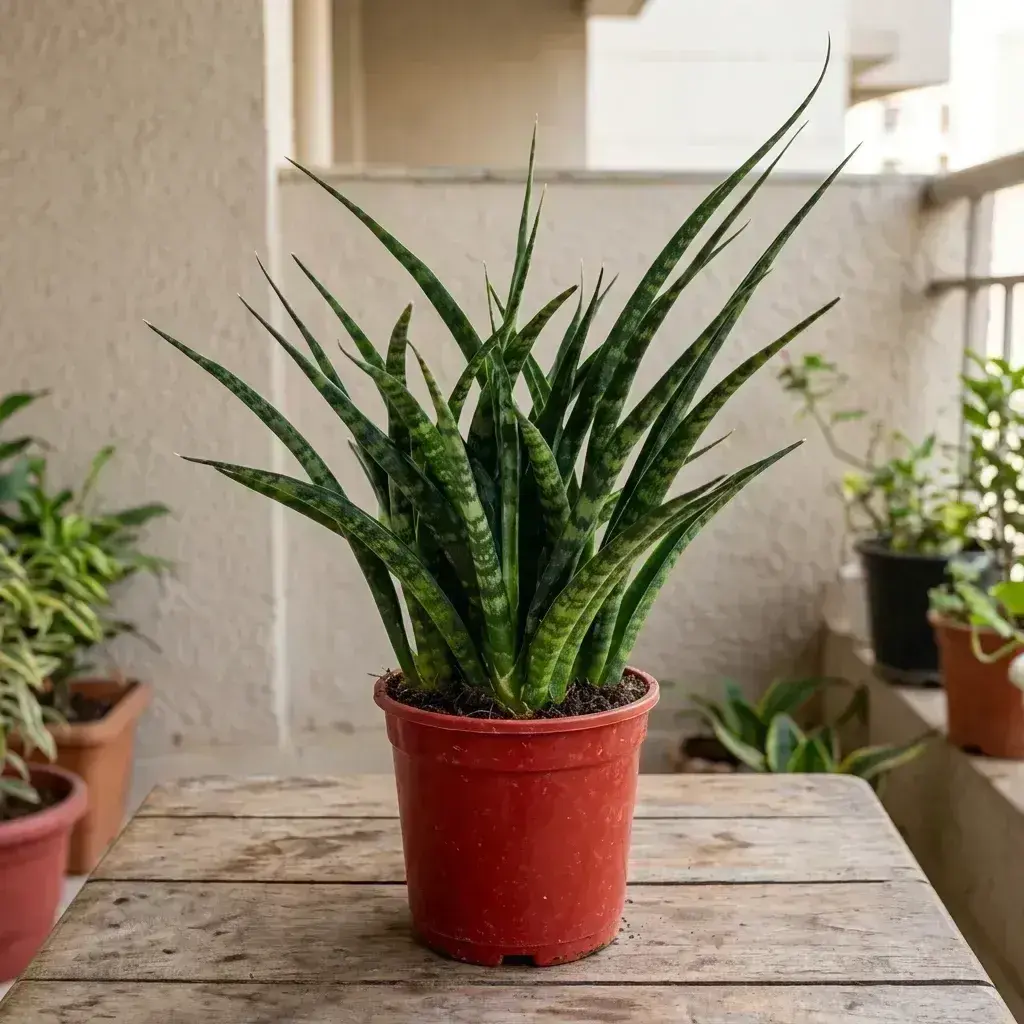
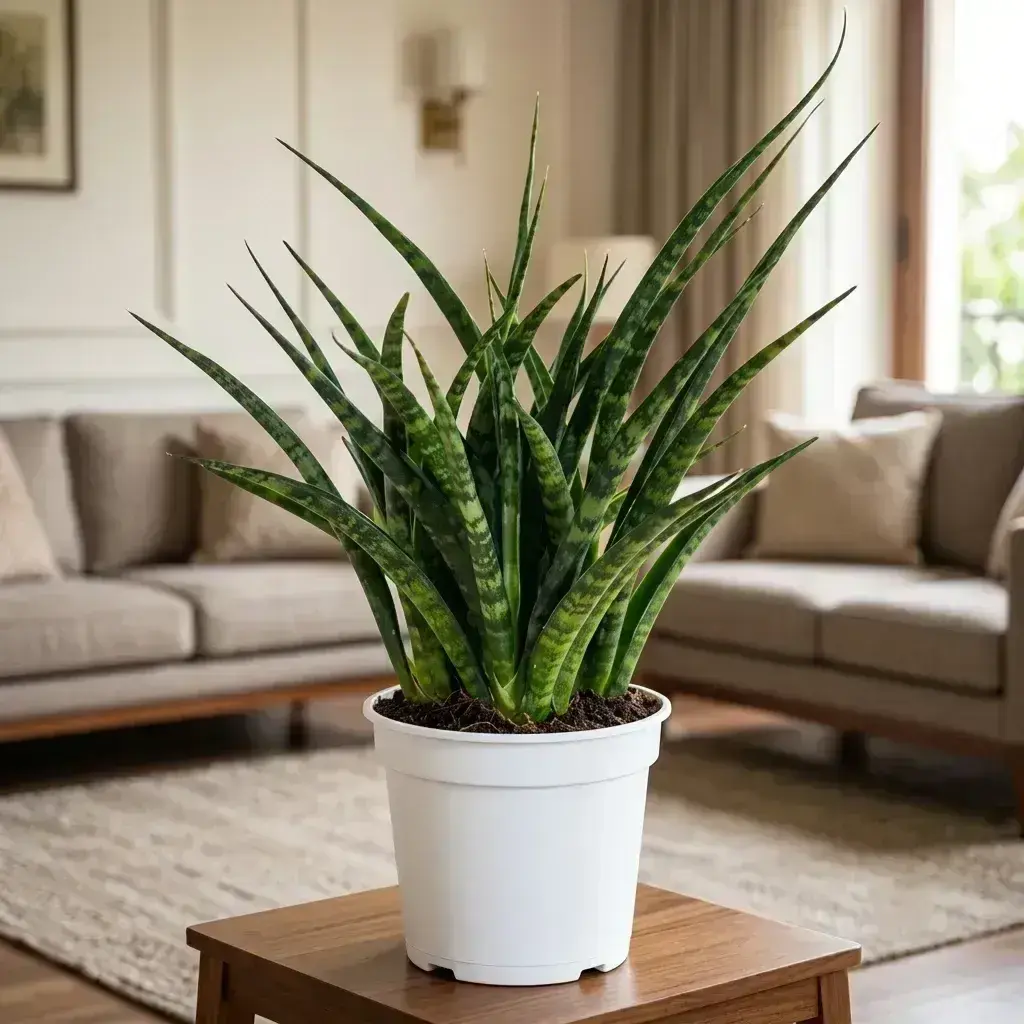
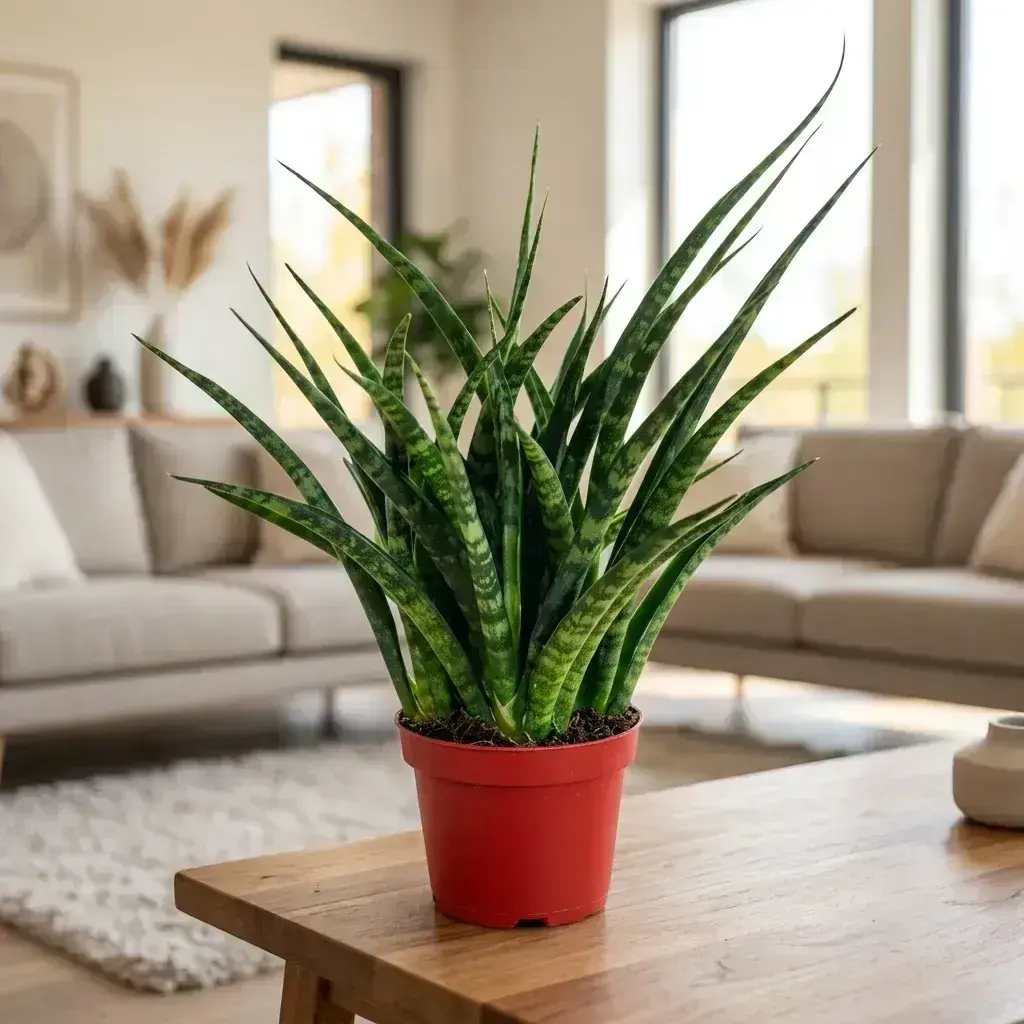
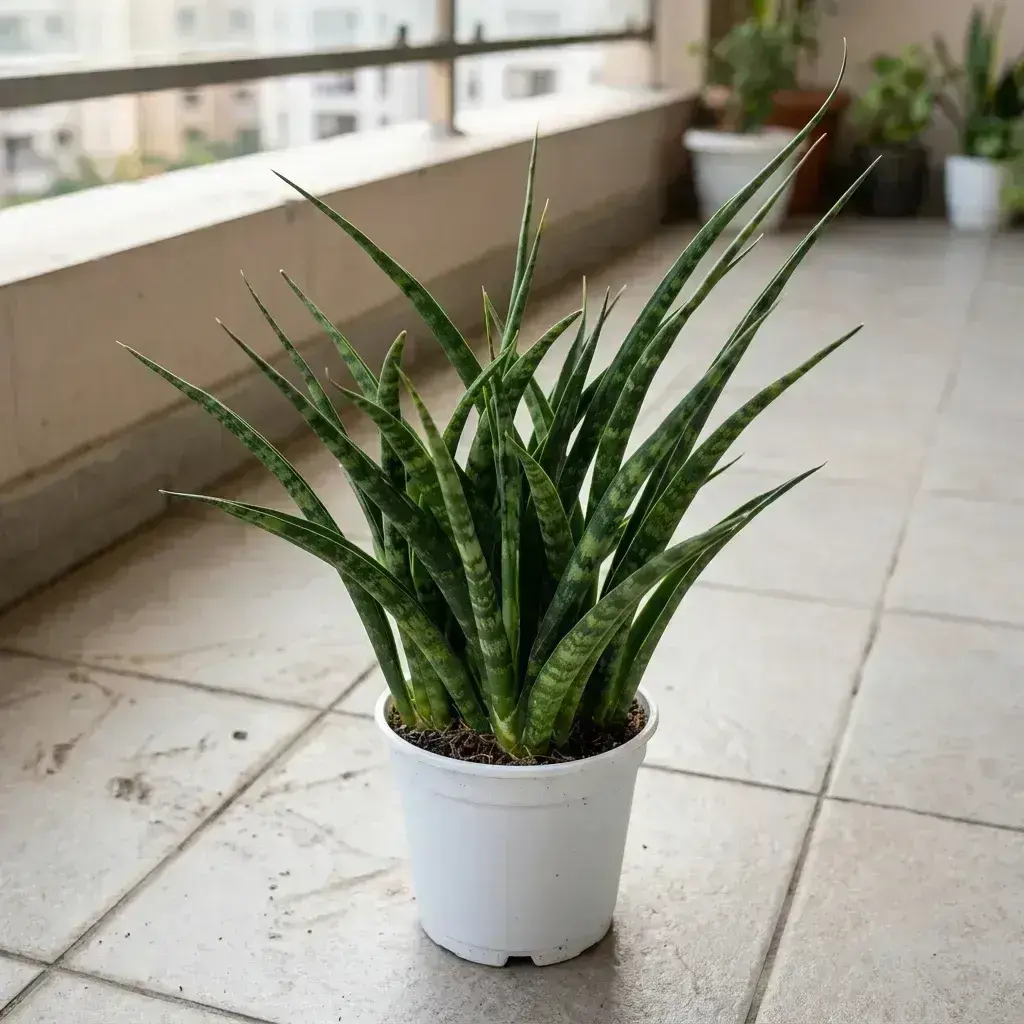
The Serpent Plant (Sansevieria Fernwood). This attractive snake plant is known for its slender, cylindrical, pointed leaves with beautiful dark-green and light-green striped patterns.
Unlike traditional snake plants with broad, flat leaves, Fernwood has narrow, slightly curved leaves that grow in a dense, fountain-like arrangement. Its unusual foliage makes it an excellent decorative plant for modern homes, offices, balconies and indoor plant collections.
The Fernwood Snake Plant is also popular for its low watering requirements and ability to adapt to different light conditions. It is a good choice for beginners and people looking for an attractive, relatively low-maintenance ornamental plant.
Plant Highlights
- Common Names: Serpent Plant, Fernwood Snake Plant, Sansevieria Fernwood
- Botanical Group: Dracaena (formerly Sansevieria)
- Nursery Name: Sansevieria Fernwood
- Family: Asparagaceae
- Plant Type: Evergreen succulent perennial
- Leaf Shape: Narrow, cylindrical and pointed
- Leaf Colour: Dark green with lighter green stripes
- Growth Habit: Compact, upright to slightly arching rosette
- Light Requirement: Bright indirect light to partial sunlight
- Water Requirement: Low
- Growth Rate: Slow to moderate
- Best For: Home, garden, balcony, office and decorative pots
- Maintenance: Low
About the Sansevieria Fernwood Plant
Sansevieria Fernwood is a popular ornamental snake plant admired for its unusual leaf structure. It belongs to the group of plants formerly classified under the genus Sansevieria, which has now been incorporated into the genus Dracaena following botanical research.
Fernwood is commonly described in the nursery trade as a hybrid or selected cultivar with slender, cylindrical leaves. Its leaves grow close together, forming a dense cluster that resembles a small green fountain.
Its attractive striped foliage and compact growth make it suitable for both indoor and outdoor container gardening.
Appearance and Growth
The Fernwood Snake Plant has a distinctive appearance compared with common snake plant varieties.
- Narrow, cylindrical leaves
- Pointed leaf tips
- Dark-green and lighter-green horizontal markings
- Slightly curved or arching foliage
- Dense growth from the base
- Compact, decorative appearance
The plant generally grows slowly and gradually develops a fuller cluster. Its unusual foliage makes it attractive even when it is not flowering.
Flowers and Flowering Season
Mature snake plants may occasionally produce a slender flower stalk with small, pale-coloured flowers.
Flowering is uncommon in ordinary indoor conditions and depends on plant maturity and growing conditions. The foliage remains the main ornamental feature of Fernwood.
Sunlight Requirements
Fernwood grows well in bright indirect light and can tolerate partial shade. Suitable light helps maintain strong leaves and attractive foliage.
Suitable locations:
- Bright indoor windowsills
- Balconies with morning sunlight
- Sheltered terrace gardens
- Bright office windows
- Living rooms with filtered sunlight
Avoid exposing an indoor-grown plant suddenly to strong afternoon sunlight, as this may cause leaf scorching.
Although snake plants can tolerate lower-light conditions, prolonged darkness may slow growth.
Watering Requirements
Fernwood stores water in its thick leaves, so it does not require frequent watering.
Follow these simple guidelines:
- Allow the potting mixture to dry completely before watering again.
- Water thoroughly when the soil is dry.
- Ensure excess water drains through the bottom of the pot.
- Never leave the pot standing in collected water.
- Reduce watering during cool or humid periods.
Important for West Bengal: During the monsoon, protect the plant from continuous rainfall. High humidity combined with wet soil can cause root rot.
Overwatering is one of the most common problems with snake plants.
Best Soil for Fernwood Snake Plant
Fernwood needs loose, well-draining soil to maintain healthy roots.
A suitable potting mixture can include:
- 40% good-quality potting soil
- 30% coarse sand or pumice
- 20% perlite or small gravel
- 10% mature compost
Adjust the mixture depending on the materials available. The important requirement is that water should drain quickly rather than remain around the roots.
Avoid heavy clay soil and containers without drainage holes.
Temperature and Indian Climate
Fernwood prefers warm conditions and can be grown in many parts of India.
For healthy growth:
- Keep it in a warm, ventilated location.
- Provide bright filtered light.
- Protect it from prolonged heavy rain.
- Avoid waterlogging during the monsoon.
- Protect it from frost and unusually cold conditions.
In humid areas such as West Bengal, good drainage and protection from continuous rainfall are especially important.
Fertilizer Requirements
Fernwood is not a heavy feeder and does not need frequent fertilization.
During active growth:
- Use a balanced liquid houseplant or succulent fertilizer diluted according to the label.
- Apply occasionally during the growing season.
- Avoid excessive fertilizer.
- Do not fertilize a stressed or recently repotted plant.
A small amount of mature compost can also be mixed into the growing medium when repotting.
Growing Fernwood in Pots
Fernwood is an excellent container plant. Its upright, fountain-like leaves look attractive in decorative pots.
Choose a sturdy container with drainage holes.
Suitable containers include:
- Ceramic decorative pots
- Terracotta pots
- Modern indoor planters
- Balcony garden containers
- Succulent collection pots
Avoid oversized containers because excess soil can retain moisture for too long.
Repot when the plant becomes crowded or the roots fill the container. Snake plants generally prefer a reasonably snug pot.
Best Places to Keep Serpent Plant
Home: Place it near a bright window, in a living-room corner or on a sheltered balcony.
Office: Its unusual cylindrical foliage makes it an attractive addition to reception areas and bright workspaces.
Garden: Grow it in a protected garden location where rainwater does not collect around its roots.
Balcony: A sheltered balcony with filtered sunlight or morning sun is suitable.
Indoor Plant Collection: Combine it with other ornamental foliage plants that have similar light and watering requirements.
Pruning and Maintenance
Fernwood requires very little pruning.
- Remove dry or damaged leaves near the base.
- Use clean, sharp pruning tools.
- Avoid cutting healthy leaves unnecessarily.
- Keep dead leaves away from the base.
- Check regularly for mealybugs and scale insects.
- Repot when the plant becomes crowded.
The plant naturally maintains its attractive growth form without regular shaping.
Propagation
Fernwood can be propagated through division of offsets.
Division method:
- Carefully remove the plant from its pot.
- Identify young shoots growing around the base.
- Separate a healthy offset with roots attached, if possible.
- Allow any damaged or cut surfaces to dry.
- Plant the offset in a well-draining potting mixture.
- Keep it in bright indirect light while it establishes.
Leaf cuttings may also be possible, but they may not reliably preserve the original Fernwood characteristics. Division is generally the better choice when maintaining the same growth form is important.
Common Problems and Solutions
1. Soft or mushy leaves
This can indicate overwatering or root rot. Check the roots and improve drainage.
2. Yellowing leaves
Excess moisture and poor drainage are common causes. Check the soil before watering again.
3. Brown leaf tips
Physical damage, environmental stress or unsuitable growing conditions can cause brown tips. Provide stable conditions and avoid rough handling.
4. Wrinkled leaves
The plant may be dehydrated, although damaged roots can also prevent water absorption. Check the soil and roots before watering.
5. Slow growth
Fernwood is naturally a relatively slow-growing plant. Insufficient light and unsuitable growing conditions may slow it further.
6. Root rot
Continuously wet soil can damage the roots. Remove affected roots and repot in fresh, well-draining soil.
7. Mealybugs
Look for small white, cotton-like insects around the leaf bases. Remove visible pests and use a suitable plant-safe treatment according to its label.
Is Fernwood Snake Plant Suitable for Indoor Growing?
Yes. Fernwood is suitable for indoor growing when placed in a location with sufficient natural or suitable artificial light.
Good indoor locations include:
- Bright windowsills
- Living rooms near windows
- Office reception areas
- Shelves receiving adequate light
- Bright indoor plant corners
It can tolerate some shade, but a permanently dark location is not suitable for healthy long-term growth.
Safety and Handling
Snake plants are ornamental plants and should not be eaten. They can be harmful to cats and dogs if ingested and may cause digestive discomfort.
Keep the plant away from children and pets who may chew its leaves.
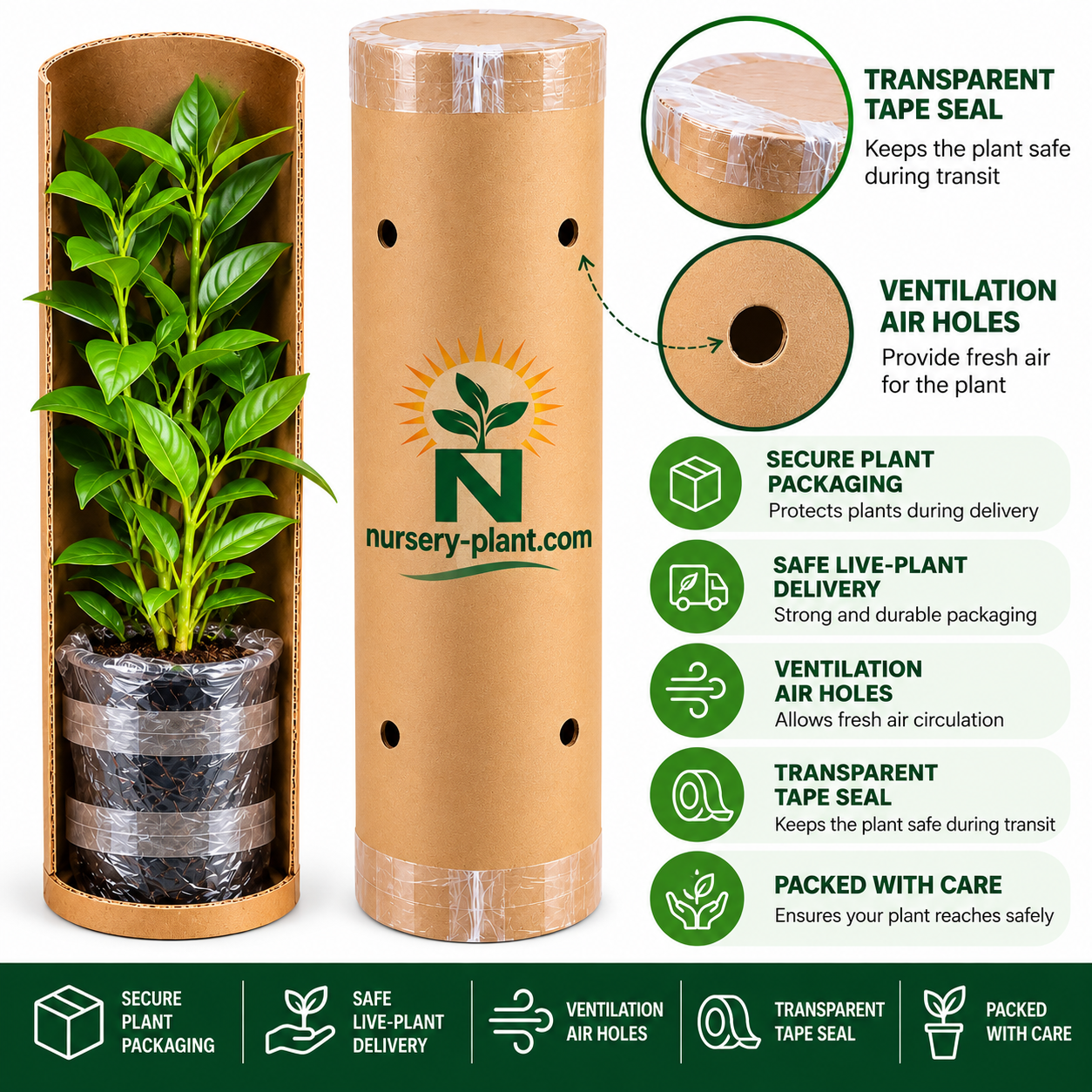
Live Plant Delivery
Your Serpent Plant (Sansevieria Fernwood) will be supplied as a live ornamental plant suitable for growing in a home garden, balcony or decorative container.
As this is a living plant, leaf length, colour pattern, number of leaves and overall appearance may vary according to its growth stage and season. The delivered plant may look slightly different from the product photograph.
After delivery, place it in a suitable bright location and avoid excessive watering while it adjusts to its new environment.
Why Choose the Serpent Plant?
- Attractive cylindrical green leaves
- Distinctive striped foliage
- Fountain-like growth habit
- Suitable for decorative indoor pots
- Low watering requirements
- Relatively easy to maintain
- Suitable for homes, balconies and offices
- A unique addition to snake plant collections
Botanical Information & Further Reading
Learn more about snake plants, their botanical classification and growing requirements:
- Royal Horticultural Society – How to Grow Sansevierias
- Penn State Extension – Snake Plant: A Forgiving, Low-Maintenance Houseplant
- New York Botanical Garden – Snake Plant Research Guide
- North Carolina State Extension – Dracaena Plant Guide
- Royal Horticultural Society – Dracaena Plant Guide
- Plantsome – Sansevieria Fernwood Care Guide
Frequently Asked Questions
1. What is a Sansevieria Fernwood Plant?
Sansevieria Fernwood is a decorative snake plant known for its narrow, cylindrical, striped leaves and dense fountain-like growth.
2. Is Fernwood the same as a common Snake Plant?
Fernwood belongs to the snake plant group, but it has narrower, cylindrical leaves rather than the broad, flat leaves of many common snake plant varieties.
3. What is the updated botanical name of Sansevieria?
Many plants formerly classified under Sansevieria are now placed in the genus Dracaena. The exact formal name used for a particular Fernwood selection may vary between horticultural references.
4. Can Fernwood grow indoors?
Yes. It can grow indoors near a bright window or in another location with suitable light.
5. Does Fernwood need direct sunlight?
It prefers bright indirect light and can tolerate partial sunlight. Protect it from harsh afternoon sun, especially after growing indoors.
6. How often should I water Fernwood?
Water only after the growing medium has dried completely. Avoid frequent watering and standing water.
7. Can Fernwood grow in West Bengal?
Yes. It can grow in West Bengal when protected from prolonged monsoon rainfall and grown in well-draining soil.
8. Is Fernwood suitable for office decoration?
Yes. Its unusual cylindrical foliage makes it attractive for bright offices, reception areas and indoor plant displays.
9. Does Fernwood produce flowers?
Mature plants may occasionally produce a flower stalk with small, pale-coloured flowers, although flowering is uncommon indoors.
10. Can Fernwood grow in a small pot?
Yes. It can grow in a decorative container as long as the pot has drainage holes and enough room for its roots.
11. How can I propagate Fernwood?
The recommended method is dividing healthy offsets growing around the base of the mother plant.
12. Why are my Fernwood leaves becoming soft?
Soft leaves can indicate overwatering or root rot. Check the roots and improve soil drainage.
13. Is Fernwood easy to maintain?
Yes. It is generally low-maintenance and requires less frequent watering than many ordinary houseplants.
14. Is Fernwood safe for pets?
No. Snake plants can be harmful to cats and dogs if eaten. Keep the plant away from pets.
For More Information
Visit: Nursery-Plant.Com
For Contact Visit:Contact Us
For Shopping Visit: Shop Page


Reviews
There are no reviews yet.