Kamini Bonsai Plant | Table Kamini (Murraya paniculata) Plant
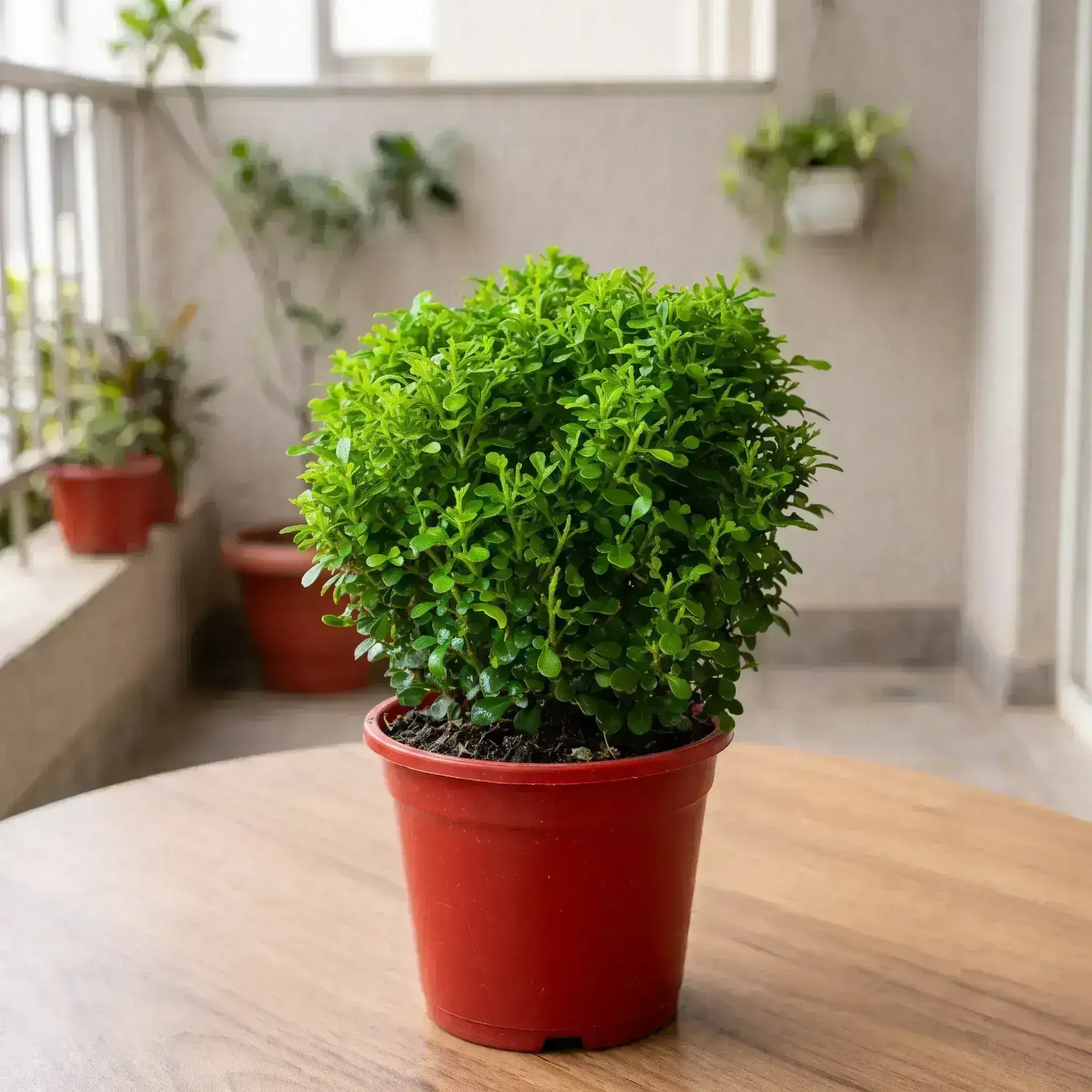
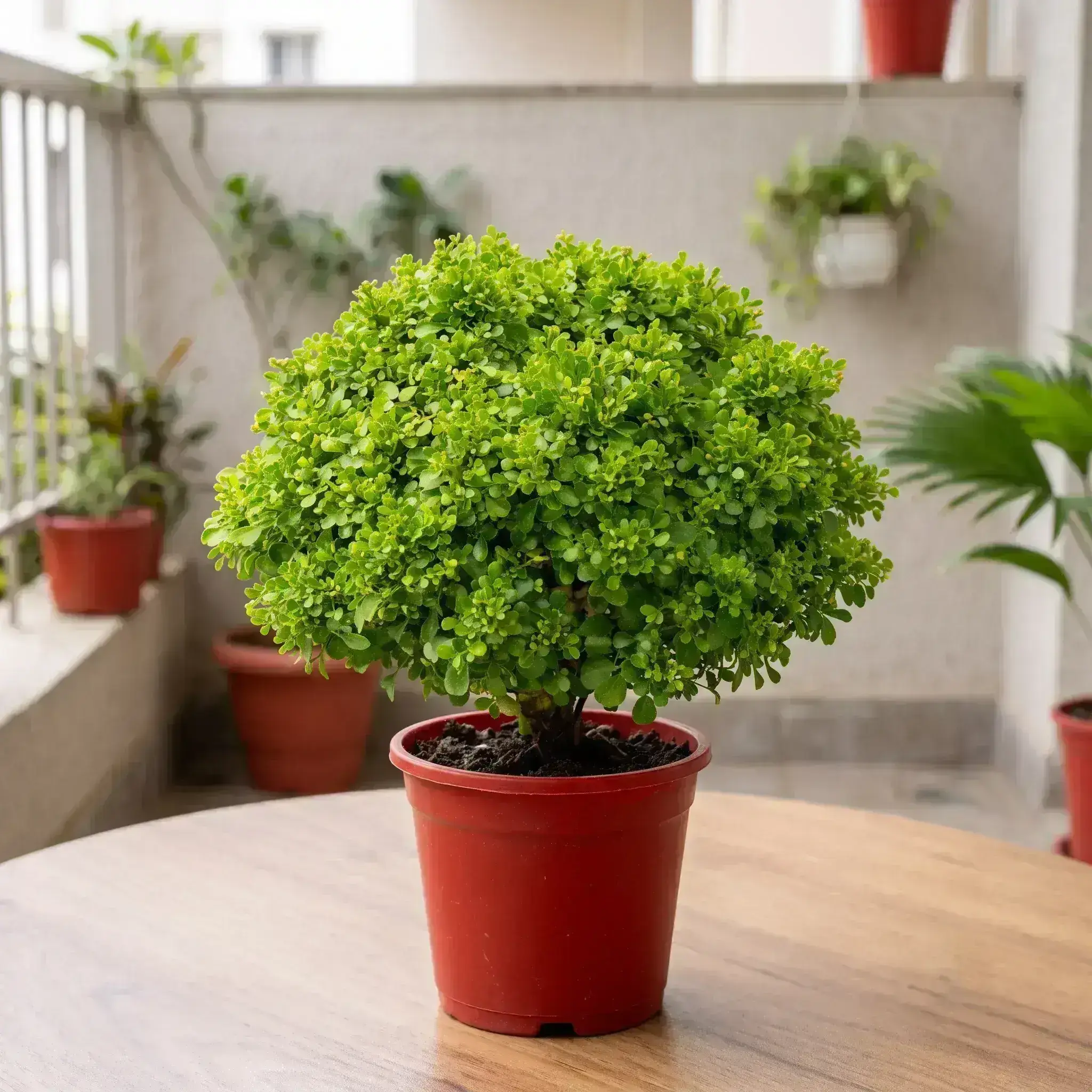
The Kamini Bonsai Plant Also Known As Table Kamini (Murraya paniculata). Also known as Orange Jasmine, Kamini is a beautiful evergreen ornamental shrub admired for its glossy green leaves, compact woody trunk and small, fragrant white flowers.
Carefully trained and maintained in a decorative shallow pot, Kamini becomes an attractive miniature tree that adds a touch of nature to desks, tables, balconies, patios and garden spaces.
One of its most attractive features is its fragrant white flowering display. Under suitable growing conditions, mature plants can produce clusters of small flowers with a pleasant jasmine-like fragrance. After flowering, the plant may also develop small red berries.
Kamini Bonsai is a lovely choice for people who enjoy miniature trees, ornamental foliage and fragrant flowering plants.
Plant Highlights
- Common Names: Kamini, Table Kamini, Orange Jasmine, Orange Jessamine, Chinese Box
- Bengali Name: Kamini (কামিনী)
- Botanical Name: Murraya paniculata (L.) Jack
- Family: Rutaceae
- Plant Type: Evergreen flowering shrub or small tree
- Origin: Tropical and subtropical Asia
- Foliage: Glossy, green, compound leaves
- Flowers: Small, white and fragrant
- Fruits: Small red berries when successfully pollinated
- Growth Habit: Woody, compact and branching
- Light Requirement: Bright light to full sunlight
- Water Requirement: Moderate; check soil moisture frequently in shallow bonsai pots
- Uses: Table bonsai, home decoration, office desks, balconies, patios and garden displays
- Maintenance: Moderate
About the Kamini Bonsai Plant
Kamini (Murraya paniculata) is a tropical evergreen ornamental shrub belonging to the Rutaceae family, which also includes citrus plants.
It is widely grown in India for its glossy green foliage and fragrant white flowers. In gardens, it can grow as a shrub or small tree, but regular pruning and bonsai training help maintain a compact miniature form.
The plant produces woody stems, attractive compound leaves and small clusters of fragrant flowers. Its natural ability to develop branches after pruning makes it suitable for ornamental shaping and bonsai cultivation.
Kamini is particularly appreciated for combining attractive foliage, fragrant flowers and a woody tree-like appearance in a relatively compact plant.
Appearance and Growth Habit
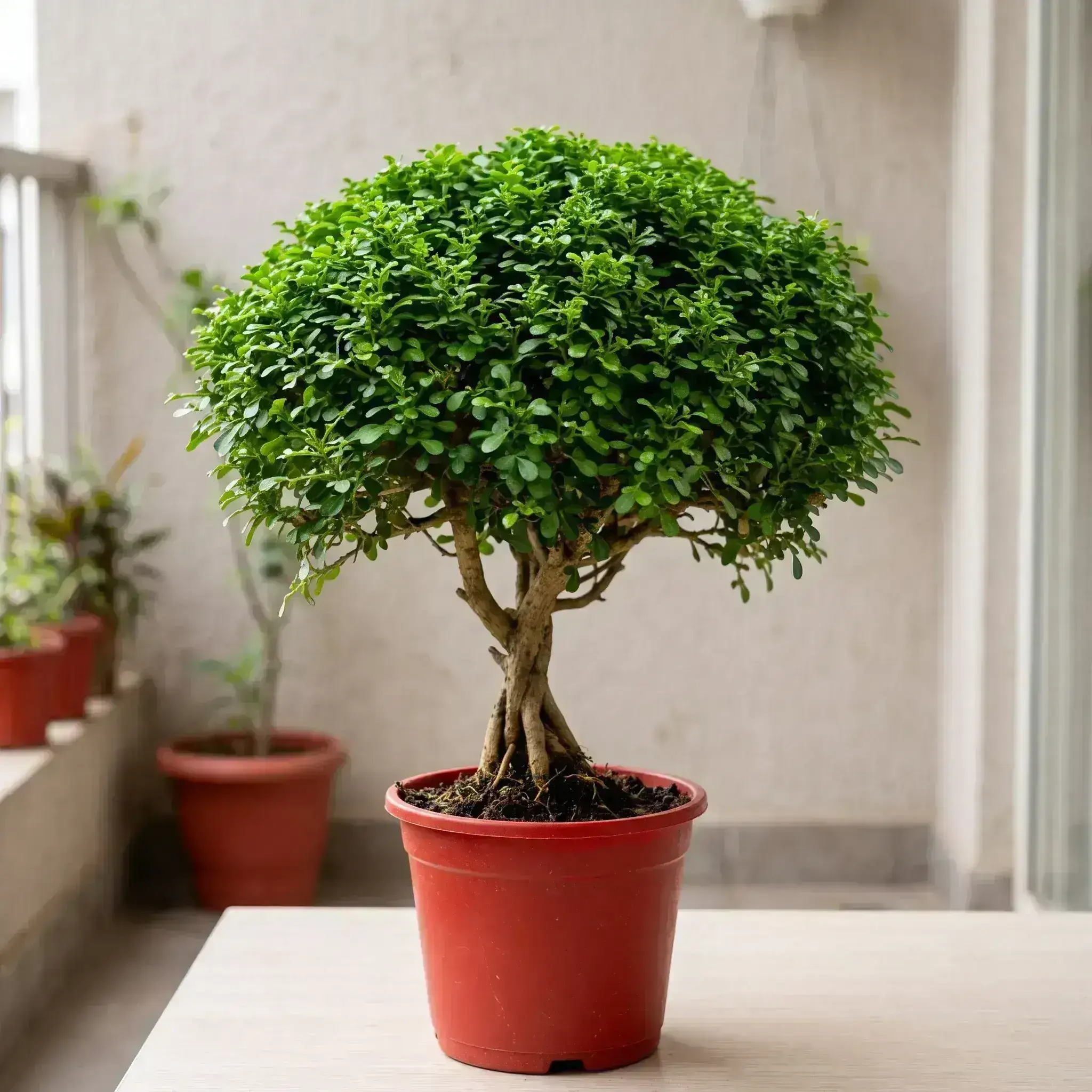
Kamini Bonsai has a miniature tree-like appearance with a woody trunk and a well-developed leafy crown.
Its main characteristics include:
- Compact woody trunk and branches.
- Glossy green compound leaves.
- Small oval or elliptical leaflets.
- Naturally branching growth.
- Small white flowers with a pleasant fragrance.
- Red berries after successful flowering and fruit development.
The size and shape depend on pruning, training, growing conditions and the age of the bonsai.
Flowering and Fragrance
One of the special attractions of Kamini is its fragrant white flowers.
The flowers usually develop in small clusters near the ends of branches or in leaf axils. They have a pleasant fragrance often compared with jasmine.
After successful pollination, the plant may produce small red berries.
Flowering depends on plant maturity, sunlight, nutrition, watering and pruning practices. Excessive trimming can remove developing flower-bearing shoots and reduce flowering.
For better flowering:
- Provide sufficient sunlight.
- Avoid keeping the bonsai in deep shade.
- Use balanced fertilizer.
- Avoid excessive nitrogen feeding.
- Allow some mature shoots to develop before pruning.
A newly purchased bonsai may not flower immediately, and flowering is not guaranteed at a particular time of year.
Sunlight Requirements
Kamini Bonsai grows best in a bright location with several hours of sunlight.
For outdoor growing:
- Place the bonsai in a sunny or partially sunny location.
- Morning sunlight is beneficial.
- Gradually introduce it to stronger sunlight if it has been grown in shade.
- Protect the shallow pot from excessive heating during extreme summer weather.
For indoor growing:
- Keep it near a bright window or balcony entrance.
- Provide plenty of natural light.
- Avoid dark office corners.
- Do not keep it permanently in an air-conditioned room without suitable natural light.
Although it is often marketed as an indoor bonsai, Kamini generally performs best with regular access to outdoor light and fresh air in suitable warm conditions.
Watering Requirements
Watering is especially important for Kamini Bonsai because its shallow container holds a limited amount of soil.
Unlike ordinary garden shrubs, bonsai plants can dry out quickly, particularly during hot weather.
Follow these watering guidelines:
- Check the soil surface regularly.
- Water when the upper layer begins to dry.
- Water thoroughly until excess water flows through the drainage holes.
- Never allow water to remain standing beneath the pot.
- Check moisture more frequently during hot summer days.
- During the monsoon, protect the bonsai from continuous heavy rainfall.
Do not follow a rigid watering schedule. The correct frequency depends on pot size, soil mixture, temperature, sunlight and wind.
Important: Never allow the entire root ball to become completely dry for an extended period.
Soil and Bonsai Potting Mix
Kamini Bonsai needs a well-draining growing medium that allows roots to receive air while retaining sufficient moisture.
A suitable bonsai mix can include:
- Loamy soil or quality bonsai growing medium
- Coarse sand or pumice
- Perlite or other drainage material
- A suitable quantity of mature organic compost
Avoid heavy soil that becomes compacted or remains waterlogged.
A proper bonsai pot should have sufficient drainage holes. The container should also be stable enough to support the miniature tree.
Temperature and Humidity
Kamini is a tropical and subtropical plant that prefers warm growing conditions.
- Keep the plant in a warm, bright location.
- Protect it from frost and unusually cold winds.
- Avoid sudden temperature changes.
- Moderate humidity is generally suitable.
- Provide good air circulation.
The warm climate of West Bengal is generally suitable for growing Kamini. During hot summers, monitor moisture in the shallow pot carefully. During the humid monsoon, ensure that excess rainwater drains freely.
Fertilizer and Plant Nutrition
Regular but moderate feeding supports healthy foliage, branching and flowering.
- Use a balanced liquid fertilizer suitable for bonsai or ornamental plants.
- Follow the manufacturer’s recommended dilution.
- Apply fertilizer during active growth.
- Avoid feeding a completely dry root ball.
- Reduce feeding when growth slows.
- Avoid excessive nitrogen, which may encourage leafy growth at the expense of flowers.
Because bonsai plants grow in limited soil, they depend on appropriate feeding to maintain healthy growth. However, excessive fertilizer can damage the fine roots.
Bonsai Training and Shaping
Kamini responds well to pruning and can be trained into different miniature tree forms.
Common bonsai styles include:
- Formal upright style
- Informal upright style
- Slanting style
- Multi-trunk style
- Compact rounded canopy
Training helps develop a balanced trunk, attractive branching and a natural miniature tree appearance.
Use gentle techniques and avoid forcing thick branches into sharp bends. Wiring should be monitored regularly because growing stems can become marked if the wire is left in place too long.
Pruning and Maintenance
Pruning helps maintain the size and shape of Kamini Bonsai.
- Remove unwanted or crossing branches.
- Trim excessively long shoots.
- Pinch new growth to encourage branching.
- Remove dry or damaged leaves.
- Maintain an attractive balance between the trunk and canopy.
- Use clean, sharp bonsai scissors.
Avoid pruning all the growing tips at once if you want flowers. Allow some healthy shoots to mature and develop before the next flowering period.
Growing Kamini Bonsai on a Table or Office Desk
Kamini Bonsai is an attractive decorative plant for tables and indoor displays.
It can be placed in:
- Living room tables
- Office desks near bright windows
- Reception areas
- Study tables with sufficient natural light
- Balcony tables
- Covered patios
However, a table display should not mean keeping the plant in a dark indoor location throughout the year. It needs adequate light to maintain healthy growth.
You can move it outdoors periodically to receive suitable sunlight, provided you acclimatise it gradually.
Repotting and Root Maintenance
As the plant grows, its roots gradually occupy the available space in the bonsai pot.
Repotting may be needed when:
- Roots become crowded.
- Water drains poorly.
- The growing medium becomes compacted.
- The plant shows signs of declining health due to root conditions.
Repotting is generally carried out during a suitable warm growing period when the plant can recover actively.
Do not remove too many roots at once. Root pruning should be done carefully, preferably by someone experienced in bonsai maintenance.
Propagation
Kamini can be propagated through seeds and stem cuttings.
Propagation through stem cuttings:
- Select a healthy, semi-mature stem.
- Cut a suitable section using clean pruning scissors.
- Remove the lower leaves.
- Place the cutting in a moist, well-draining propagation medium.
- Keep it in a warm, sheltered location with bright indirect light.
- Maintain moderate moisture while roots develop.
Seed propagation is also possible using mature seeds. Fresh seeds are generally preferable for sowing.
For home gardeners, purchasing an established nursery-grown Kamini plant is usually the easier way to begin bonsai growing.
Common Problems and Solutions
1. Yellowing Leaves
Possible causes include overwatering, poor drainage, insufficient sunlight or natural ageing. Check soil moisture and the condition of the roots.
2. Leaf Drop
Sudden changes in location, irregular watering, excessive heat or low light can cause leaf drop. Maintain stable growing conditions.
3. Poor Flowering
Insufficient sunlight, excessive pruning or too much nitrogen fertilizer may reduce flowering. Provide adequate sunlight and avoid cutting all developing shoots.
4. Dry or Brown Leaf Edges
The shallow bonsai pot may be drying out too quickly. Check soil moisture regularly, especially during hot weather.
5. Pest Problems
Aphids, scale insects, mealybugs and spider mites may occasionally affect Kamini. Inspect the leaves and young stems regularly and treat infestations early using an appropriate plant-safe method.
Is Kamini Bonsai Suitable for Indoor Growing?
Yes, Kamini Bonsai can be displayed indoors for decoration, provided it receives sufficient natural light.
Suitable locations include:
- Bright living rooms
- Office reception areas
- Tables near windows
- Bright balconies
- Covered patios
For long-term health, outdoor exposure to suitable sunlight and fresh air is beneficial. Avoid keeping the plant in a dark room or directly beside strong air-conditioning airflow.
Important Plant Care and Safety Notes
Kamini is an ornamental plant and should not be confused with the curry leaf plant (Murraya koenigii).
Although Murraya paniculata has documented traditional uses in different regions, this product is sold as an ornamental bonsai. Do not consume its leaves, flowers, berries or other plant parts as food or medicine without reliable professional guidance.
Keep the plant and fallen berries away from small children and pets. Wash your hands after pruning or handling damaged plant material.
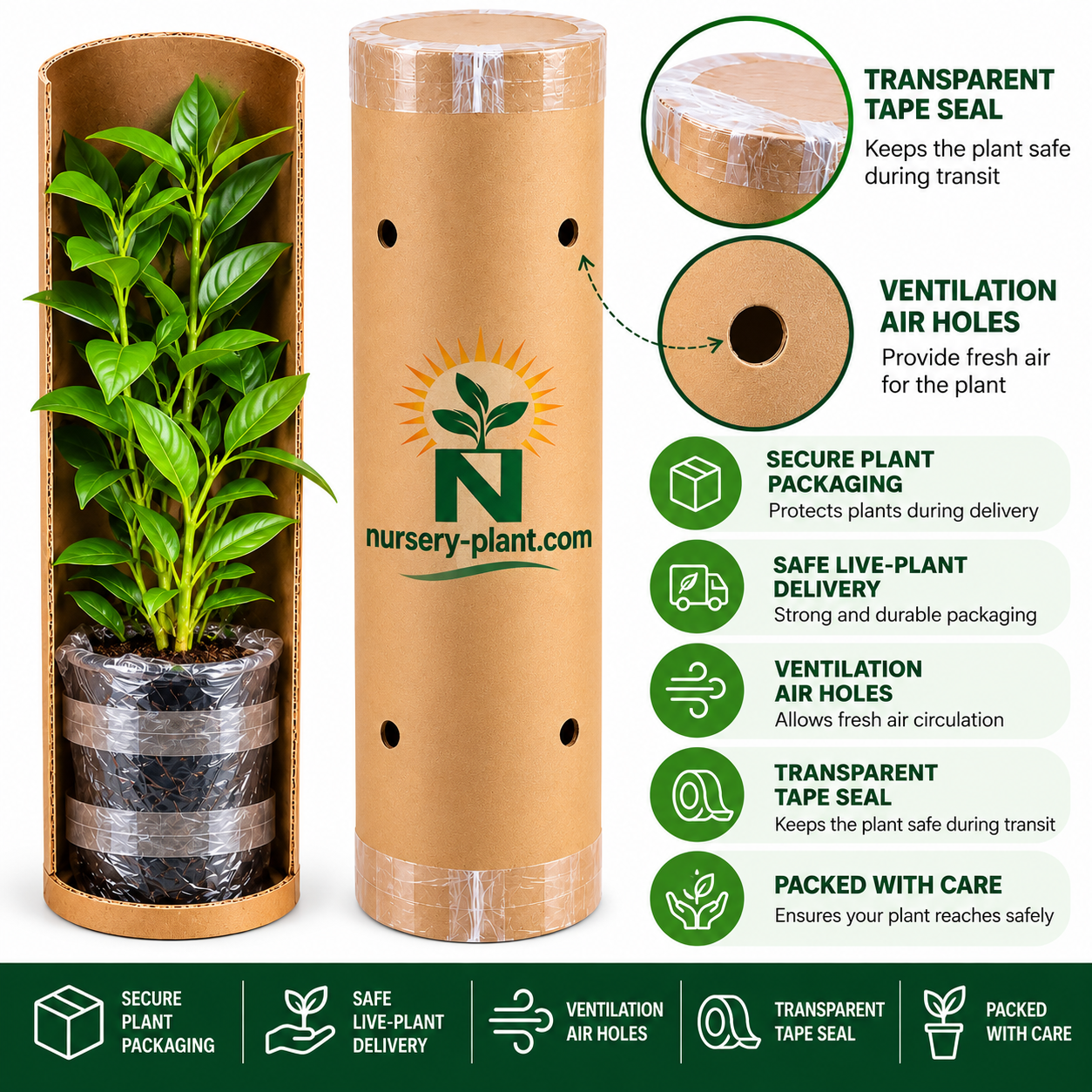
Live Plant Delivery Information
- This listing is for a live Kamini Bonsai (Murraya paniculata) plant.
- Trunk shape, branch arrangement, plant height and canopy density may vary.
- Bonsai shapes are naturally individual and may not be identical to product photographs.
- Flowering and fruiting may not be present at the time of delivery.
- Minor leaf movement or temporary drooping may occur during transportation.
- Unpack the plant carefully and place it in a bright, sheltered location.
- Allow the plant to adjust to its new surroundings before repotting or applying fertilizer.
- Check the soil before watering and avoid adding water if it is already wet.
Why Choose the Kamini Bonsai Plant?
Kamini Bonsai is a beautiful combination of miniature tree structure, glossy green foliage and fragrant white flowers. Its natural branching habit makes it suitable for bonsai shaping, while its attractive flowers add an extra decorative feature.
Whether displayed on a bright office table, living room stand, balcony or garden patio, Kamini Bonsai brings a graceful natural appearance to your surroundings.
It is an excellent choice for people who appreciate ornamental bonsai plants and enjoy caring for miniature trees.
Botanical Information & Further Reading
Explore these reliable botanical and horticultural resources for additional information:
- Kew Science – Murraya paniculata botanical classification
- Botanical Survey of India – Flora of India, Murraya paniculata
- India Flora Online – Murraya paniculata plant profile
- India Trees Portal – Murraya paniculata
- Tamil Nadu Agricultural University – Bonsai Cultivation and Care
- Mistral Bonsai – Murraya paniculata Bonsai Care Guide
- Department of Biotechnology, Government of India – Murraya paniculata plant information
Frequently Asked Questions
1. What is the botanical name of Kamini Bonsai?
The botanical name is Murraya paniculata (L.) Jack. It belongs to the Rutaceae family.
2. Is Kamini the same as Orange Jasmine?
Yes. Orange Jasmine is one of the common English names for Murraya paniculata. It is also called Kamini in India.
3. Is Kamini the same as Curry Leaf Plant?
No. Kamini is Murraya paniculata, while the curry leaf plant is Murraya koenigii. They are related but different species.
4. Can Kamini Bonsai grow in West Bengal?
Yes. Kamini grows well in suitable warm conditions in West Bengal. Provide sufficient sunlight, well-draining soil and careful watering during the monsoon.
5. Can Kamini Bonsai be kept indoors?
It can be displayed indoors near a bright window, but it needs sufficient natural light. Regular exposure to suitable outdoor sunlight is beneficial for long-term health.
6. Does Kamini Bonsai produce fragrant flowers?
Yes. Mature plants can produce small white flowers with a pleasant jasmine-like fragrance.
7. How often should I water Kamini Bonsai?
Check the soil moisture rather than following a fixed schedule. Water when the upper layer begins to dry. Shallow bonsai pots may need more frequent checking during summer.
8. Can Kamini Bonsai produce red fruits?
Yes. After successful pollination, the plant may develop small red berries.
9. How do I maintain the miniature shape of Kamini Bonsai?
Regular pruning, pinching and careful branch training help maintain its compact form. Avoid excessive pruning because it can reduce flowering.
10. Does Kamini Bonsai need direct sunlight?
It grows best with plenty of bright light and several hours of sunlight. Protect the shallow pot and foliage from excessive heat during very hot weather.
11. Can Kamini Bonsai be grown in a small pot?
Yes. Bonsai plants are traditionally grown in shallow containers. The pot must have adequate drainage and enough space for a healthy root system.
12. How can I propagate Kamini Bonsai?
Kamini can be propagated through stem cuttings or seeds. Semi-mature stem cuttings are a practical option for home gardeners.
13. Does Kamini Bonsai need frequent pruning?
Regular light pruning helps maintain its miniature shape. However, avoid constant trimming of all new growth if you want the plant to flower.
For More Information
Visit: Nursery-Plant.Com
For Contact Visit:Contact Us
For Shopping Visit: Shop Page


Reviews
There are no reviews yet.