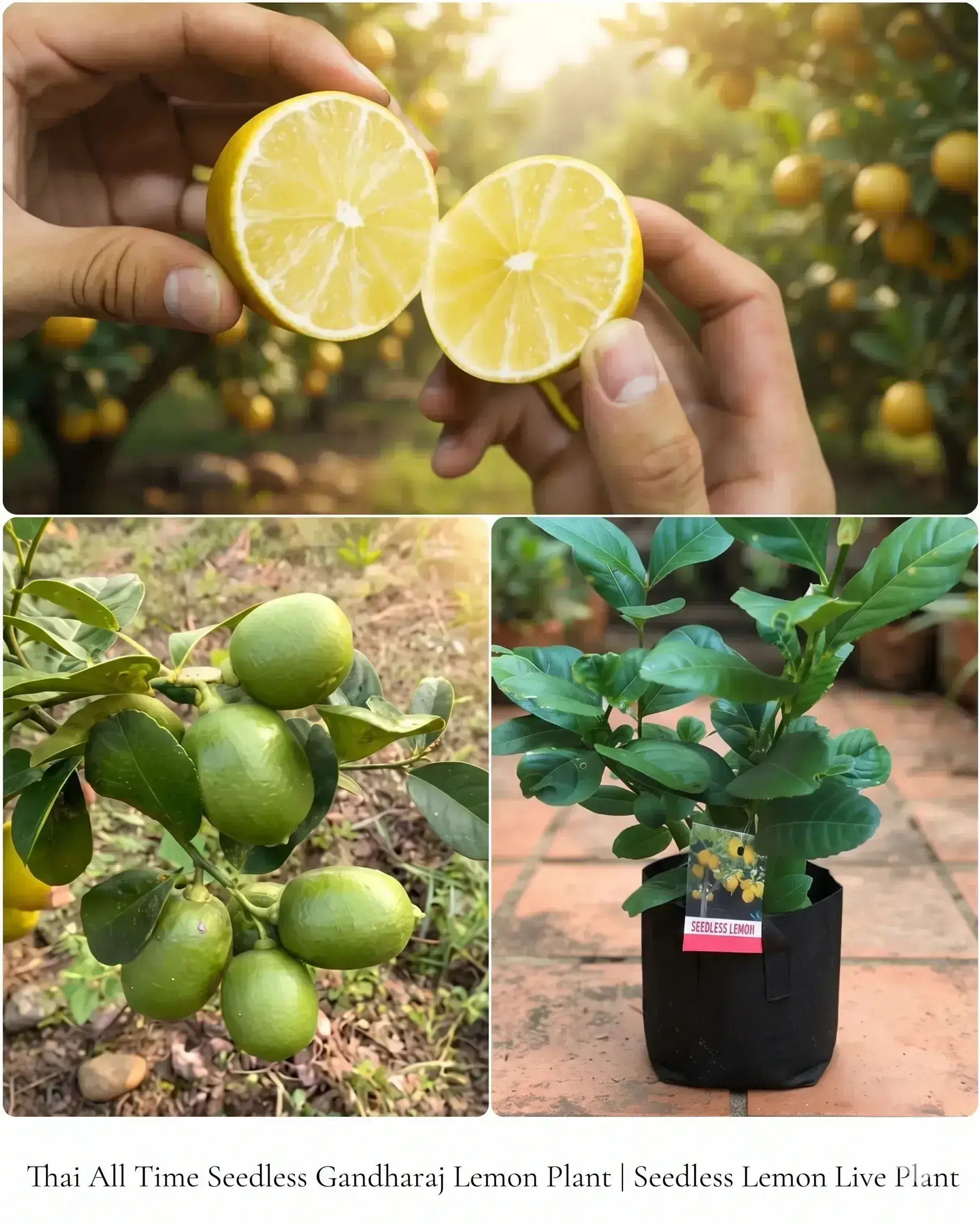
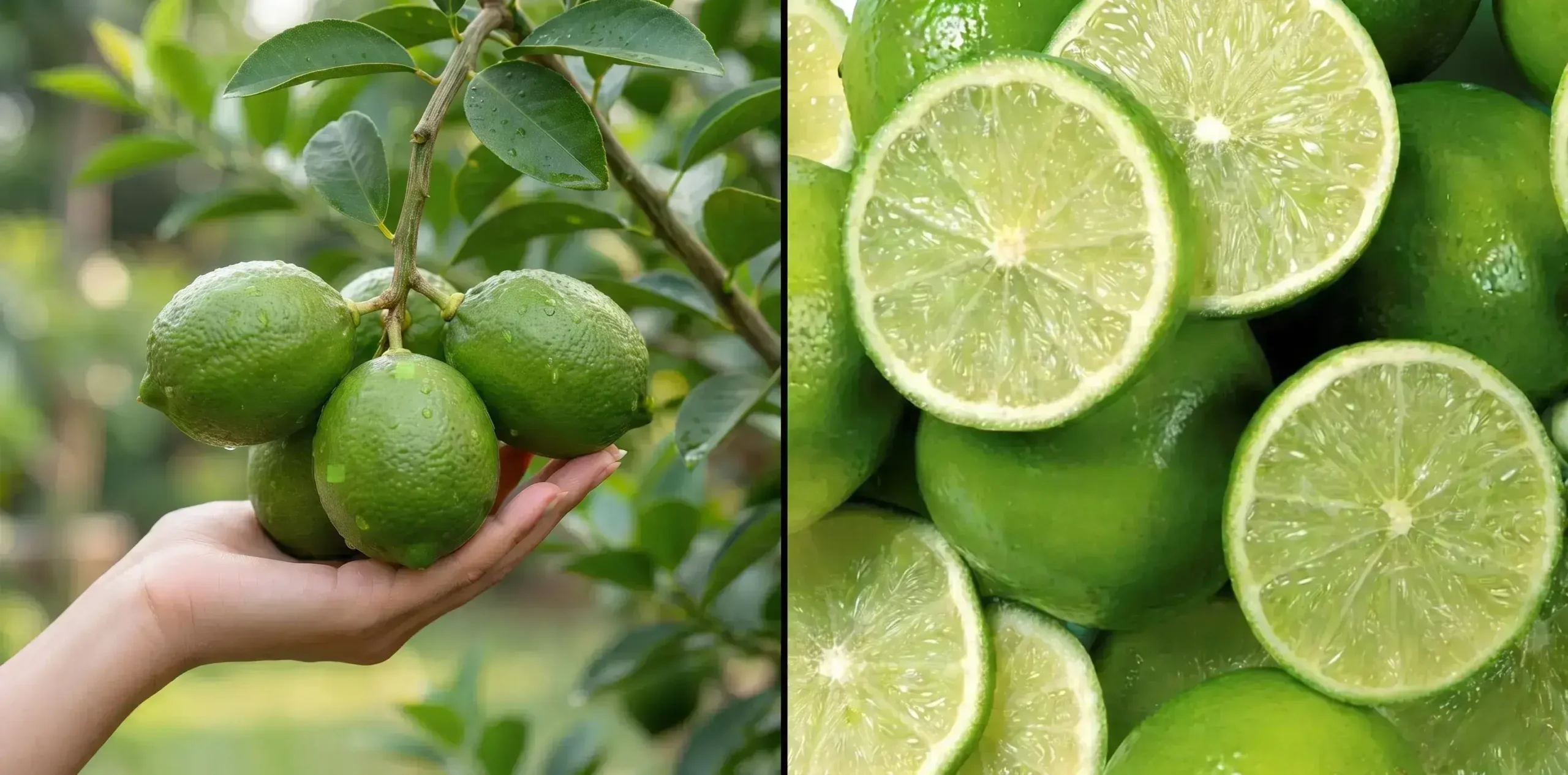
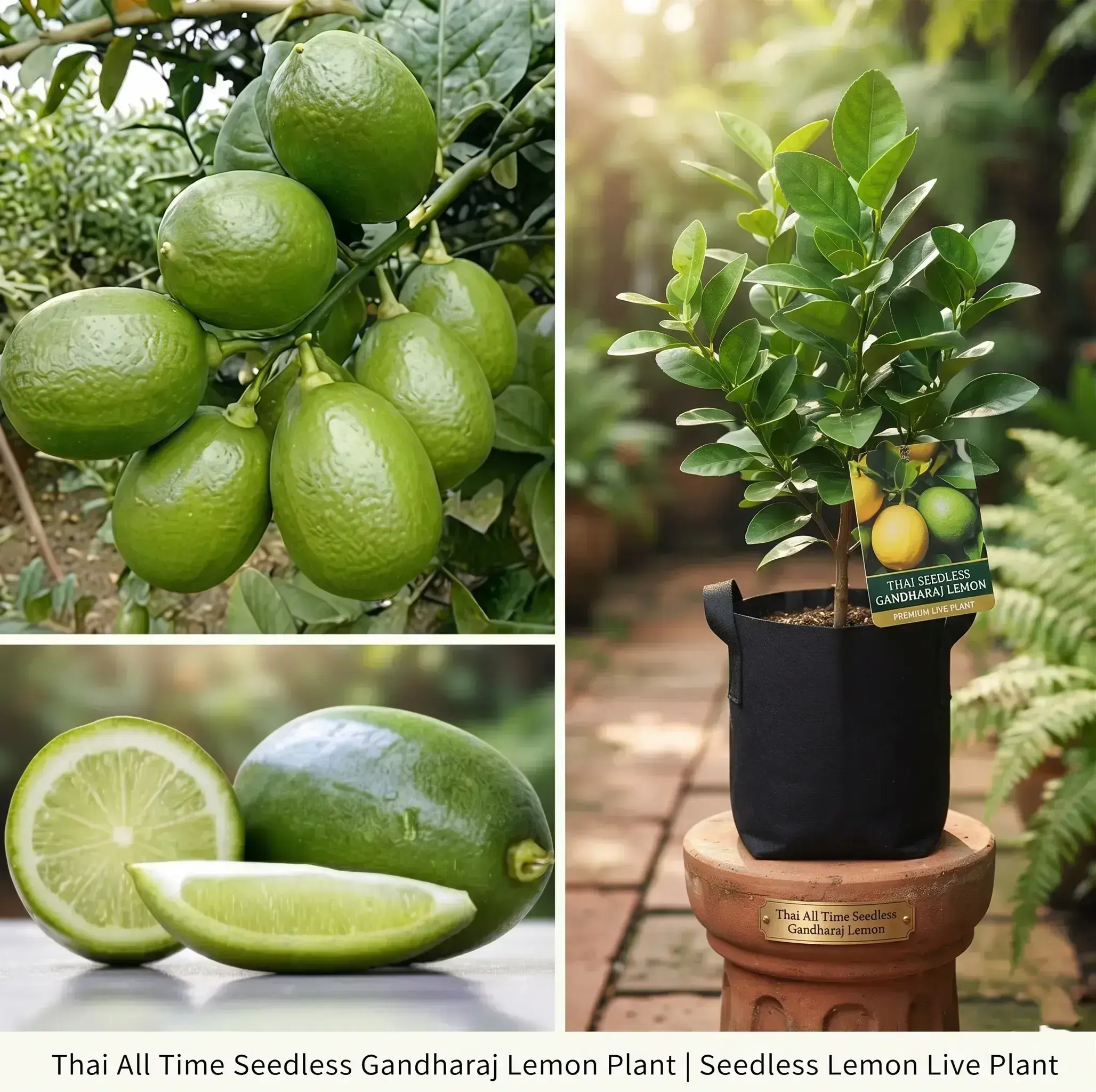
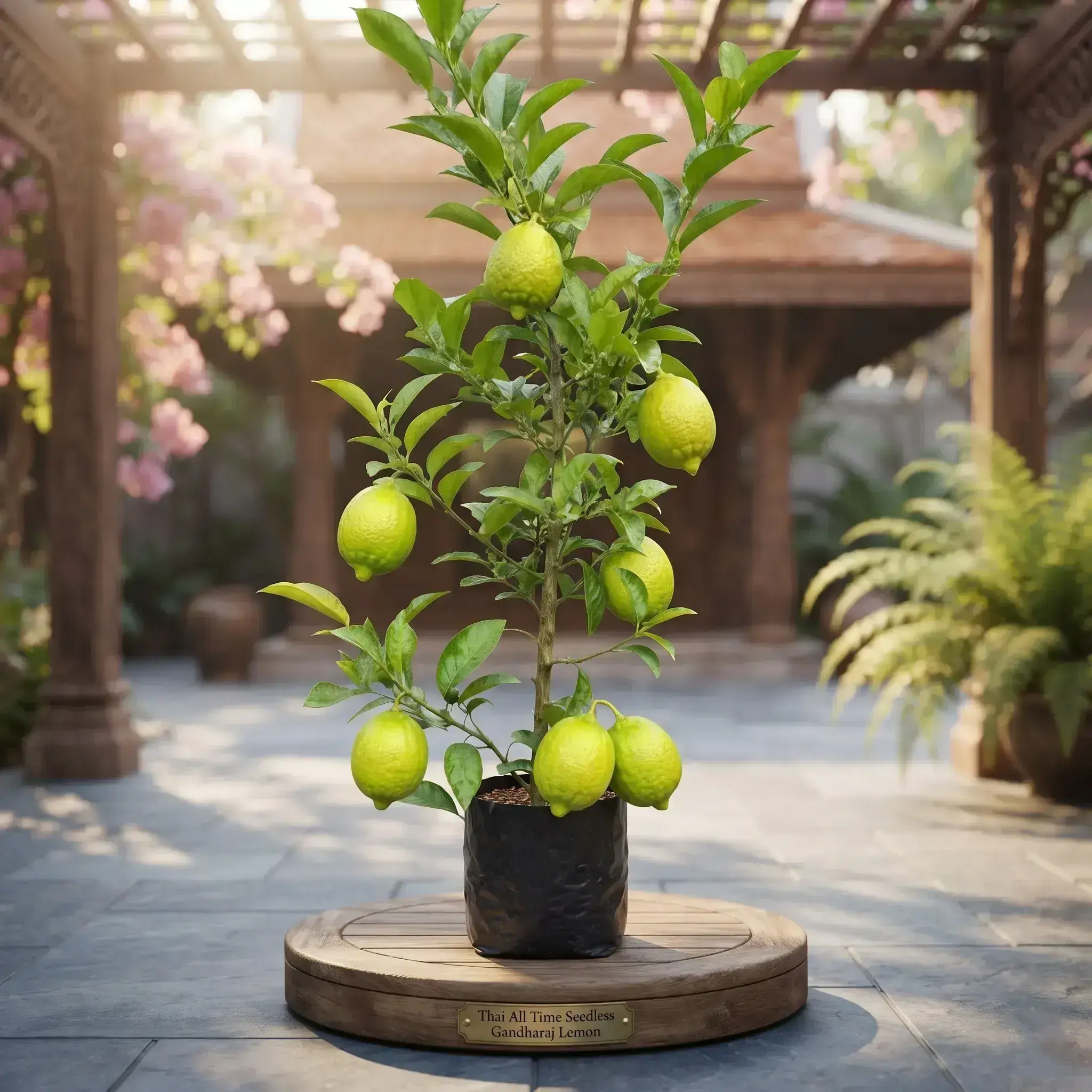
Thai All Time Seedless Gandharaj Lemon Plant | Seedless Lemon Live Plant | Fragrant Gandharaj Citrus Fruit Plant
The Thai All Time Seedless Gandharaj Lemon Plant. This citrus plant is marketed as a combination of fragrant Gandharaj characteristics and seedless, potentially extended-fruiting traits, making it an interesting option for home gardeners, terrace growers and kitchen gardens.
Gandharaj lemon is especially appreciated in Bengali cuisine for its powerful citrus aroma. Its fragrant peel and juice are used to enhance dal, fish, salads, chutneys and other dishes. A healthy citrus plant can also add glossy green foliage and fragrant blossoms to a sunny garden.
Please note: “Thai All Time Seedless Gandharaj” appears to be a nursery or trade name. Gandharaj, Thai seedless lemon and all-time-fruiting lemon may refer to different citrus selections. The exact cultivar and whether the plant reliably produces seedless fruit throughout the year should be confirmed with the seller.
Botanical Information
- Common Name: Thai Seedless Gandharaj Lemon, Gandharaj Lebu, Fragrant Lemon
- Botanical Name: Common Gandharaj lemon is often identified as Citrus × limon, but the exact identity of this marketed hybrid is unconfirmed.
- Plant Family: Rutaceae
- Plant Type: Evergreen citrus shrub or small tree
- Primary Use: Culinary fruit, home gardening and fragrant foliage
- Fruit Characteristics: Marketed as seedless and aromatic; actual traits depend on the cultivar
- Growth Habit: Bushy, branching citrus plant
- Sunlight: Full sun to strong direct light
- Soil: Fertile, well-drained soil
- Watering: Regular, adjusted to weather and soil moisture
- Growing Locations: Garden beds, courtyards, balconies and large containers
Key Features of Thai All Time Seedless Gandharaj Lemon
Distinctive citrus fragrance: Gandharaj lemons are prized for their strong, fresh aroma. The peel and juice can add a fragrant citrus note to Bengali and other regional dishes.
Seedless fruit claim: This plant is marketed as seedless. However, seedlessness can vary by cultivar, pollination conditions and the identity of the supplied plant. Occasional seeds cannot be ruled out without verified cultivar information.
Potentially extended fruiting: “All Time” is a trade description rather than a guarantee of continuous fruit production. Flowering and harvest depend on variety, climate, plant maturity and care.
Evergreen foliage: Healthy citrus plants generally have glossy green leaves and may produce fragrant white flowers under suitable conditions.
Suitable for home gardening: With adequate sunlight, drainage, nutrition and pruning, the plant can be grown in a garden or a sufficiently large container.
Sunlight Requirements
Choose a location receiving approximately 6–8 hours of direct sunlight daily. Good sunlight supports healthy growth, flowering and fruit development.
In very hot weather, a young plant in a small pot may need protection from extreme afternoon heat while it establishes. Avoid keeping the plant in deep shade, as this can reduce flowering and weaken growth.
For terrace cultivation, select a sunny, ventilated position where the plant has enough space to develop a rounded canopy.
Soil Requirements
Citrus plants prefer fertile, well-drained soil that retains moderate moisture without becoming waterlogged.
A possible container mix is:
- 40% garden soil
- 25% mature compost
- 20% cocopeat or another suitable moisture-retaining material
- 15% coarse sand or another drainage-improving component
Adjust the proportions according to your local soil. Use a container with sufficient drainage holes, and avoid heavy soil that remains saturated after watering.
For garden planting, loosen the soil and incorporate mature organic matter. Slightly acidic to near-neutral soil is often suitable for citrus, although the ideal pH depends on the rootstock and local conditions.
Watering Guide
Consistent watering is important, particularly while the plant is establishing.
- Newly planted plant: Water thoroughly after planting and maintain moderate soil moisture.
- Young plant: Water when the upper layer of soil begins to dry.
- Established plant: Water deeply when needed, considering rainfall, temperature and soil type.
- Container-grown plant: Check moisture more frequently because pots can dry quickly in summer.
- Monsoon season: Reduce additional watering when rain is sufficient and ensure excess water drains away.
Avoid both prolonged dryness and standing water. Waterlogged soil can damage citrus roots and increase the risk of root disease.
How to Plant the Gandharaj Lemon Plant
- Select the location: Choose a sunny garden spot or a large container with drainage holes.
- Prepare the soil: Mix in mature compost and loosen compacted soil.
- Prepare the plant: Water the nursery pot lightly before transplanting.
- Remove carefully: Ease the plant out without breaking the root ball unnecessarily.
- Plant at the correct depth: Keep the root ball at approximately its original growing depth. Do not bury the trunk or graft union if the plant is grafted.
- Backfill gently: Fill around the roots and firm the soil lightly.
- Water thoroughly: Allow excess water to drain.
- Provide initial care: Protect the young plant from strong winds and severe drying while new roots establish.
If the plant is grafted or air-layered, follow the nursery’s specific planting instructions and ask for confirmation of the propagation method.
Growing in a Pot or Container
This lemon plant can be grown in a container if the pot is large enough to support long-term root development.
- Choose a sturdy container with drainage holes.
- Use a large pot, around 40–60 litres or more as a practical starting point for long-term growing, increasing the size if the plant requires it.
- Place the container in a sunny location.
- Use a loose, fertile potting mix.
- Water according to soil moisture rather than following a rigid daily schedule.
- Feed periodically with mature compost or a citrus fertiliser used according to its label.
- Prune lightly to maintain an open, manageable shape.
A container-grown plant may dry out faster than one planted in the ground. Check the soil regularly during hot weather, and never leave the pot standing in stagnant water.
Fertiliser and Routine Care
Citrus plants require nutrients for new shoots, flowering and fruit development.
- Add mature compost around the root zone periodically.
- Use a balanced citrus fertiliser when needed, following the manufacturer’s instructions.
- Avoid applying concentrated fertiliser directly against the trunk.
- Do not overuse nitrogen, which may encourage excessive leafy growth.
- Remove dead or diseased branches using clean pruning tools.
- Inspect the plant for citrus leaf miner, aphids, scale insects, mealybugs and signs of nutrient deficiencies.
Yellow leaves may result from several causes, including watering problems, nutrient deficiency or root damage. Check soil moisture and drainage before adding extra fertiliser.
Flowering and Fruit Production
Citrus plants may flower at different times depending on the cultivar, climate, plant maturity and local growing conditions. Warm weather can support growth, but continuous fruit production is not guaranteed.
To support fruit development:
- Provide sufficient sunlight.
- Maintain steady soil moisture without waterlogging.
- Feed appropriately during active growth.
- Avoid excessive pruning of healthy branches.
- Monitor flowers and young fruit for pests and disease.
- Give the plant time to establish after planting.
The phrase “All Time” should not be interpreted as a promise of fruit every month. Fruit set and retention may fluctuate with weather, nutrition and plant health. Likewise, the seedless characteristic should be treated as a seller’s claim unless supported by reliable cultivar information.
Growing Tips for West Bengal and Other Indian Regions
Gandharaj lemon is familiar in West Bengal, where its distinctive aroma is valued in local cuisine. A suitable citrus plant can grow well in a sunny home garden with proper soil drainage and care.
For West Bengal’s warm, humid climate:
- Choose a sunny, airy position.
- Use well-drained soil, especially during the monsoon.
- Avoid leaving the roots in standing water.
- Inspect young leaves regularly for citrus leaf miner and other pests.
- Water more frequently during dry, hot weather when needed.
- Reduce irrigation when monsoon rainfall keeps the soil moist.
- Keep the canopy reasonably open to improve airflow.
A sheltered balcony or terrace can work if it receives sufficient sunlight. In areas with heavy rainfall, container cultivation may make it easier to control drainage.
Culinary Uses of Gandharaj Lemon
Gandharaj is valued for its fragrance as much as for its acidity. Once the plant produces correctly identified, mature fruit, it may be used in:
- Bengali-style dal and fish dishes
- Fresh salads and chutneys
- Lemon drinks and infused water
- Citrus zest for seasoning
- Marinades and dressings
- Fragrant peel preparations
Wash fruit thoroughly before use. Do not assume that every fruit from a plant sold under a Gandharaj trade name will have the same aroma, acidity or seed content.
Important Information Before Buying
- Cultivar identity: Ask the seller whether the plant is a true Gandharaj selection, a Thai seedless lemon, or a named hybrid.
- Seedlessness: Seedless fruit is not guaranteed solely by the product title.
- Year-round fruiting: “All Time” does not guarantee continuous flowering or harvest.
- Propagation method: Confirm whether the plant is grafted, air-layered, rooted from a cutting or propagated another way.
- Fruit quality: Fruit size, shape, aroma, acidity and yield vary with cultivar and growing conditions.
- Plant size: Height and foliage may differ depending on the nursery’s stock and season.
- Live plant variation: Some leaf loss or minor appearance differences can occur during transport and establishment.
Frequently Asked Questions (FAQs)
1. What is Thai All Time Seedless Gandharaj Lemon?
It is a citrus plant marketed for Gandharaj fragrance, seedless fruit and extended fruiting. The exact cultivar behind this combined trade name should be confirmed with the seller.
2. Is Gandharaj lemon the same as ordinary lemon?
Gandharaj is a fragrant citrus selection commonly described in horticultural literature as a cultivar of Citrus × limon. Its distinctive aroma makes it especially popular in Bengali cuisine.
3. Will this plant produce completely seedless lemons?
The listing claims seedlessness, but this cannot be guaranteed without confirmation of the exact cultivar. Some supposedly seedless citrus plants may occasionally produce seeds.
4. Does this lemon plant produce fruit throughout the year?
Not necessarily. The term “All Time” is a trade description. Flowering and fruiting depend on the cultivar, weather, plant maturity and care.
5. Can I grow Gandharaj lemon in a pot?
Yes. Use a large container with drainage holes, fertile soil and a sunny location. Regular watering and appropriate feeding are important.
6. How much sunlight does the plant need?
Approximately 6–8 hours of direct sunlight daily is a useful target for healthy growth and fruiting potential.
7. How often should I water it?
Water when the upper layer of soil begins to dry, adjusting for temperature, rainfall and pot size. Avoid keeping the roots constantly wet.
8. Can it grow in West Bengal?
Gandharaj lemon is familiar in West Bengal. A suitable plant can grow in this region, provided it receives adequate sunlight, good drainage and appropriate care.
9. When will the plant start producing lemons?
The time varies with plant maturity, propagation method, cultivar and growing conditions. Ask the seller whether the supplied plant is mature and how it was propagated.
10. Why are the leaves turning yellow?
Possible causes include overwatering, poor drainage, nutrient deficiencies or root damage. Check soil moisture and drainage before applying fertiliser.
11. How can I encourage flowering and fruiting?
Provide adequate sunlight, suitable nutrition, regular but controlled watering and light maintenance pruning. Avoid excessive nitrogen and severe pruning.
12. What can I use Gandharaj lemon for?
Its fragrant fruit can be used in Bengali cooking, salads, drinks, marinades and other dishes. The actual aroma and acidity depend on the supplied cultivar.
Botanical Information & Further Reading
- University of North Bengal Repository – Horticultural Research in West Bengal — regional horticultural information, including Gandharaj and other citrus selections.
- Floral Ecology of Gandharaj Lemon – Research Paper — scientific study of Gandharaj lemon flowers, pollinators and reproductive biology.
- Indian Journal of Agricultural Sciences – Commercial Citrus Cultivars in India — information on citrus cultivars and their distribution in India.
- National Horticulture Board – Citrus Varieties — reference material on citrus varieties and fruit characteristics.
- Digital Herbarium of Crop Plants – Lemon — botanical information on lemon, its plant family and cultivation.
- eFlora of India – Citrus × limon — botanical discussion and observations on lemon and Gandharaj.
- Telegraph India – A Sunlight-Loving Citrus Called Lemon — regional gardening information on Gandharaj lemon cultivation in West Bengal.
Add a fragrant citrus plant to your garden: With adequate sunlight, fertile soil and good drainage, the Thai All Time Seedless Gandharaj Lemon Plant can be an attractive addition to a home fruit garden. Confirm the exact variety and seedless-fruiting claims with the nursery before purchasing.
For More Information
Visit: Nursery-Plant.Com
For Contact Visit:Contact Us
For Shopping Visit: Shop Page


Reviews
There are no reviews yet.