Variegated Sansevieria (Snake Plant) Plant | Live Snake Plant for Indoor Home & Office
🌿 About the Plant
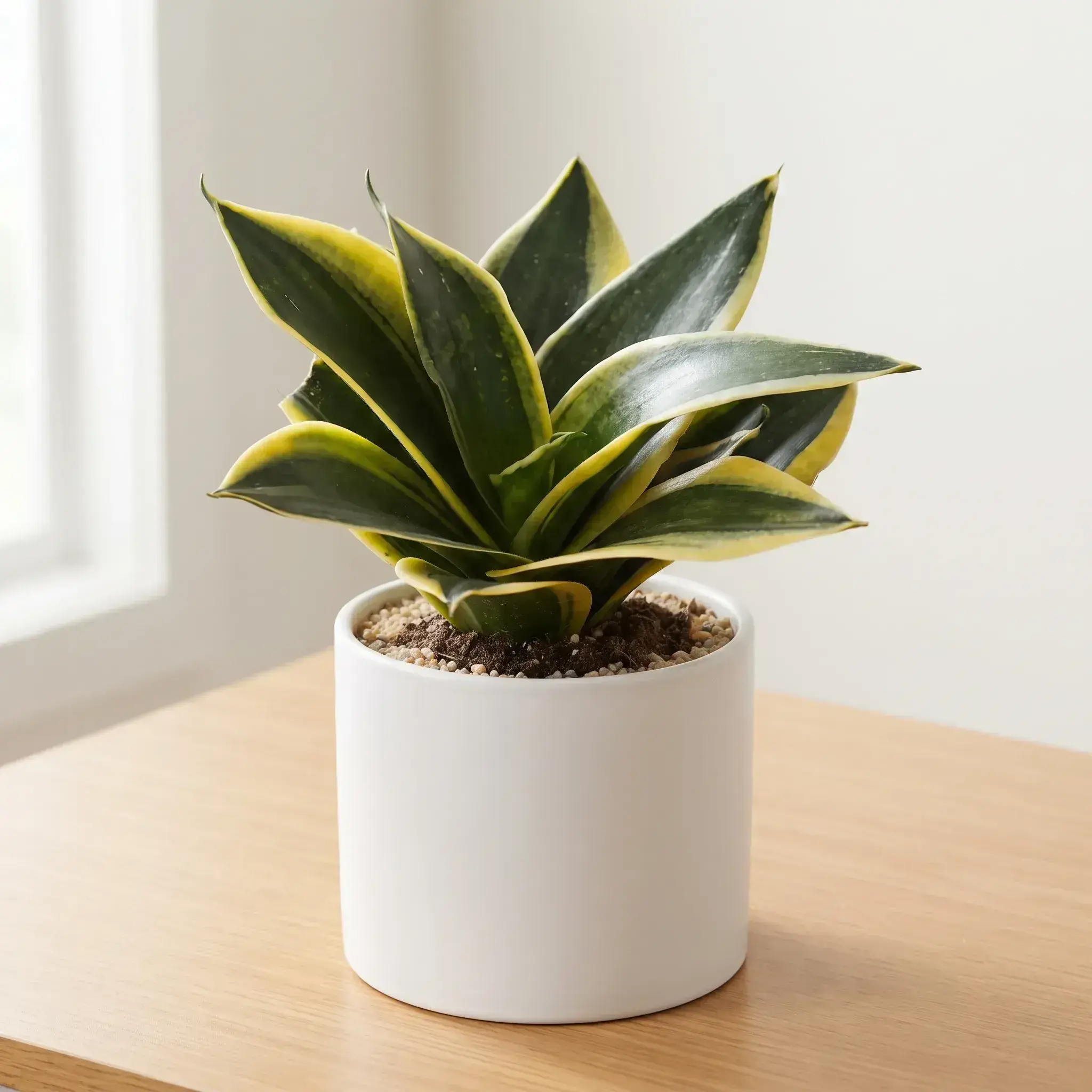
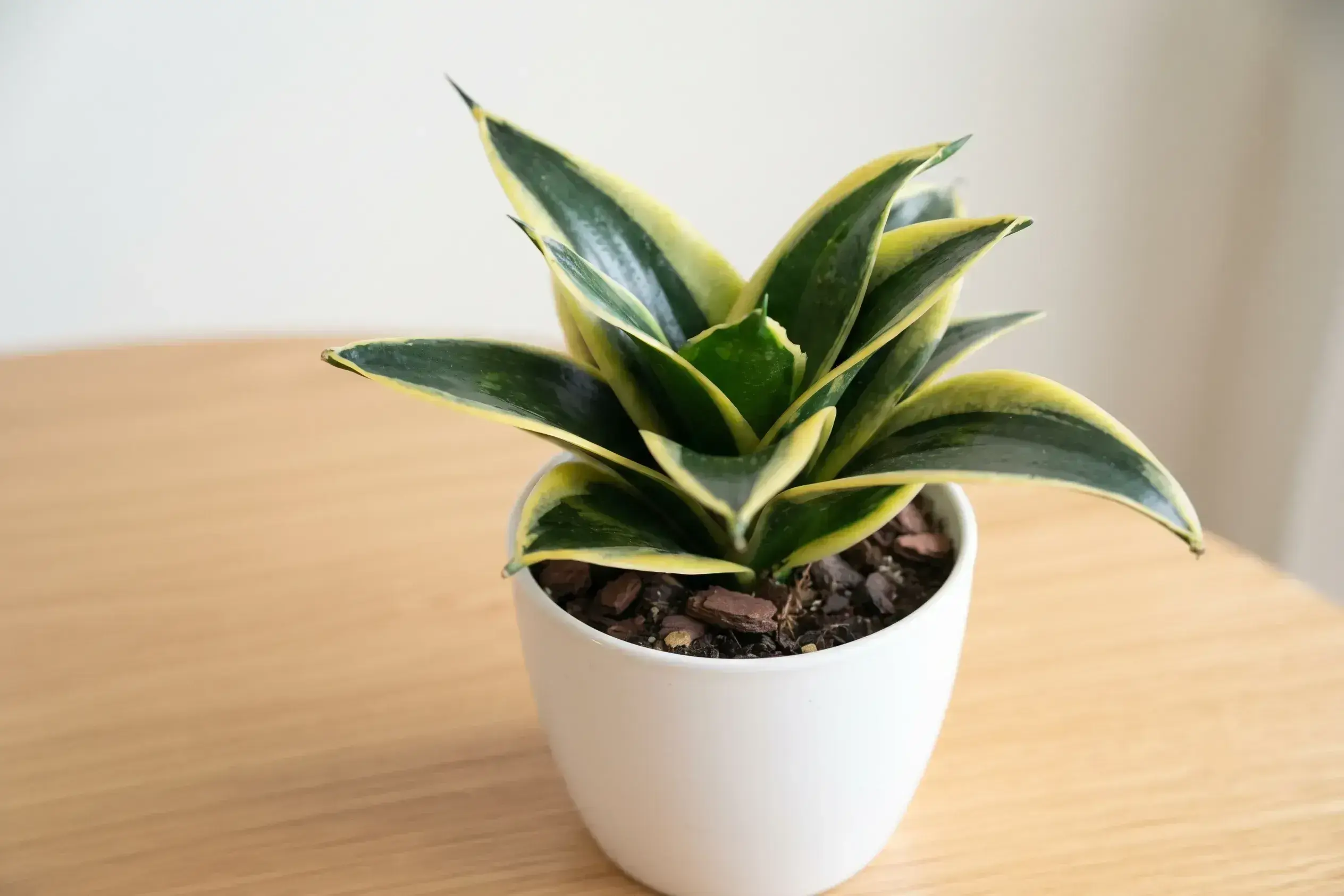
Variegated Sansevieria, commonly known as the Snake Plant or Mother-in-Law’s Tongue, is one of the most popular foliage plants for homes, offices, bedrooms, balconies and other indoor spaces. It is appreciated for its upright sword-shaped leaves, attractive variegated patterns and ability to tolerate a wide range of indoor conditions.
The plant is botanically known today as Dracaena trifasciata, although the older and still very widely used name Sansevieria trifasciata remains common in gardening and nursery trade. Modern botanical classification moved the species into the genus Dracaena following DNA-based research.
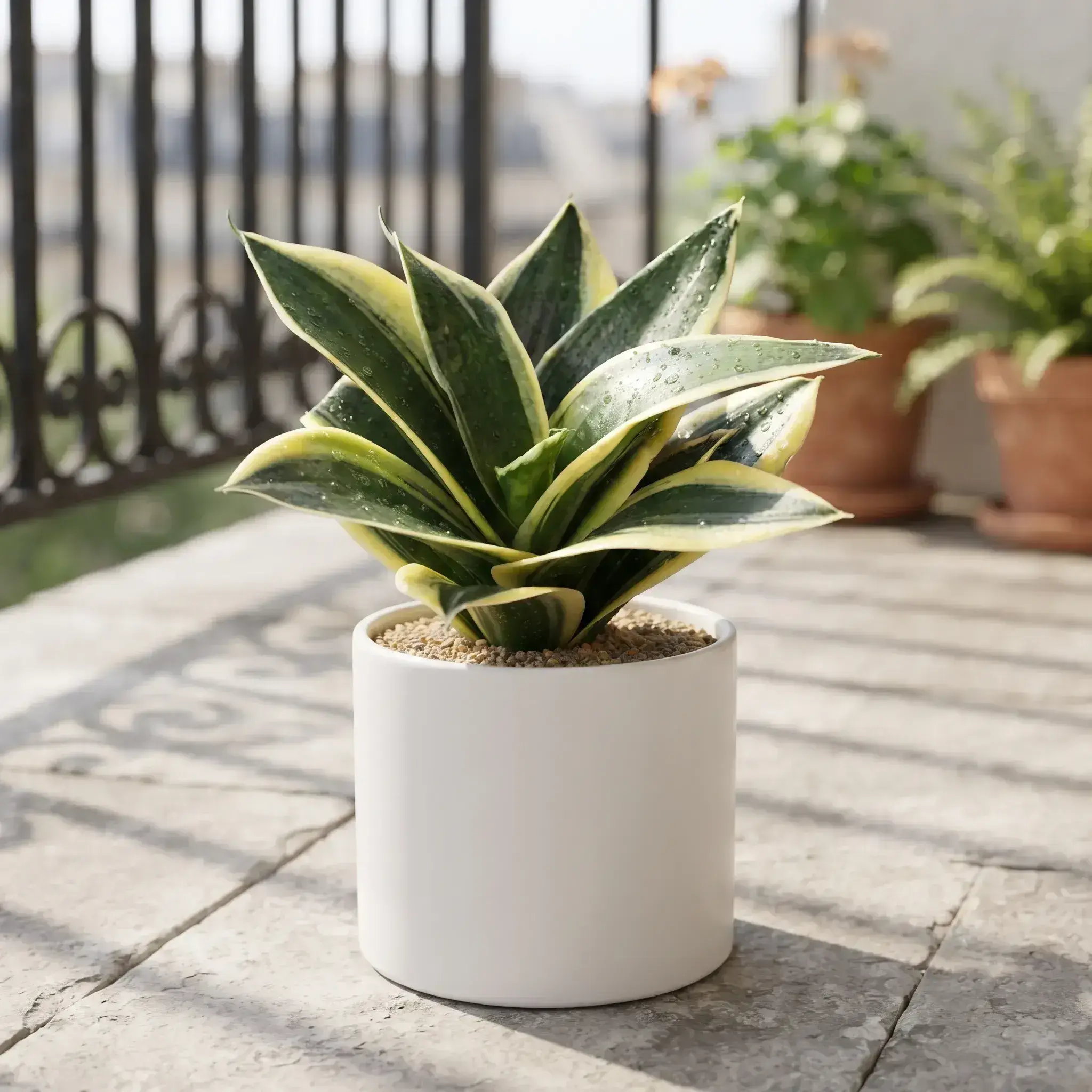
The variegated form typically features green leaves decorated with lighter grey-green or yellowish margins and banding, depending on the particular cultivar or nursery selection. Because the product name identifies the plant generally as “Variegated Sansevieria” rather than a specific registered cultivar, the exact variegation pattern may naturally differ from one plant to another.
Snake Plants are especially suitable for people looking for a low-maintenance decorative houseplant. Their fleshy leaves store water, allowing the plant to tolerate periods of dryness better than many conventional indoor plants.
🌱 Plant Characteristics
- Common Name: Snake Plant, Mother-in-Law’s Tongue, Variegated Sansevieria
- Scientific Name: Dracaena trifasciata (syn. Sansevieria trifasciata)
- Family: Asparagaceae
- Plant Type: Evergreen perennial foliage plant
- Growth Habit: Upright, clumping
- Leaf Shape: Long, stiff, sword-shaped leaves
- Foliage: Evergreen and variegated
- Water Requirement: Low
- Light Requirement: Bright indirect light to lower-light conditions
- Best Use: Indoor decoration, office desks, shelves, bedrooms and floor planters
- Container Suitable: Yes
- Difficulty: Easy for beginners
RHS describes Sansevierias as resilient, long-lived houseplants that form clumps of stiff, fleshy, upright leaves. Variegated forms are among the commonly cultivated types.
🍃 Leaves & Variegation
The main attraction of this plant is its architectural foliage. The leaves grow vertically from the base and have a firm, fleshy texture. Depending on the plant, leaves may display combinations of dark green, light green, grey-green and yellowish or cream-coloured markings.
Variegation means that different parts of the leaf have different colours or patterns. The exact appearance can vary naturally between plants.
Some established variegated forms of Sansevieria trifasciata include the widely grown ‘Laurentii’, which is known for its contrasting yellow margins. However, unless a particular cultivar is specifically identified by the nursery, this product should simply be considered a variegated Sansevieria, rather than being assumed to be a particular named cultivar.
☀️ Sunlight Requirements
Variegated Sansevieria is adaptable to different indoor lighting conditions.
For the healthiest growth and attractive foliage, place the plant in bright, filtered or indirect light. An area near an east- or west-facing window can work well, provided the plant is protected from harsh afternoon sunlight.
Snake Plants can tolerate lower light, but growth may become slower and some variegated plants may show less vigorous growth under very low light. Brighter indirect light generally helps maintain stronger growth and attractive foliage.
In Indian homes, avoid suddenly placing an indoor-grown plant in strong direct summer sunlight. Gradually acclimatise it if you want to move it to a brighter outdoor location.
💧 Watering
One of the most important rules for Snake Plant care is avoid overwatering.
Its thick leaves store water, allowing it to cope with dry periods. Water only when the potting medium has dried substantially.
A simple routine is:
- Check the soil before watering.
- If the upper portion is still damp, wait.
- Water thoroughly when the soil has dried.
- Allow excess water to drain away.
- Never allow the pot to remain continuously filled with standing water.
During cooler or lower-light periods, watering should generally be reduced because the plant uses water more slowly.
RHS specifically recommends allowing the compost to start drying before watering and warns that wet conditions can lead to problems such as root rot.
🪴 Soil & Potting
Snake Plants prefer a loose, well-draining growing medium rather than heavy soil that remains wet for long periods.
A suitable container mix can contain:
- Well-draining potting soil
- Coarse sand or horticultural grit
- Perlite or another drainage-improving material
- A moderate amount of organic matter
A cactus or succulent-style potting mix can also be suitable.
The pot should have proper drainage holes. Avoid keeping the plant in a decorative outer container where excess water can collect around the roots.
RHS recommends free-draining compost and advises against using an excessively large pot because the additional unused compost can stay wet for too long.
🌱 Fertilizer & Nutrition
Snake Plants are relatively slow-growing and do not require heavy feeding.
During active growth, a diluted balanced houseplant or succulent fertilizer can be applied occasionally according to the fertilizer manufacturer’s instructions.
Avoid excessive fertilizer application. Too much fertilizer can cause salt accumulation in the growing medium and may damage roots.
For a newly delivered plant, it is generally better to allow it to settle into its new environment before starting a regular feeding routine.
🌸 Flowers
Snake Plants are primarily grown for their attractive foliage, but mature plants can occasionally produce flowering spikes.
The flowers are generally small, pale greenish-white to cream-coloured and can be pleasantly fragrant. Flowering is not guaranteed and depends on plant maturity, growing conditions, light, watering and other environmental factors.
The absence of flowers does not indicate that the plant is unhealthy.
🏡 Home & Office Suitability
Variegated Sansevieria is an excellent decorative choice for many indoor environments.
It can be used in:
- Living rooms
- Bedrooms
- Home offices
- Work desks
- Reception areas
- Study rooms
- Hallways with suitable light
- Shelves and plant stands
- Balconies with suitable light
- Commercial offices
- Shops and workspaces
Its upright growth makes it particularly useful where horizontal space is limited.
The strong vertical leaves also provide a clean, modern appearance that works with both traditional and contemporary interior decoration.
🪴 Container & Indoor Gardening
This plant is naturally well suited to container cultivation.
When grown in a pot, keep it in a location with adequate light and good airflow. Do not use an unnecessarily large container.
Snake Plants can remain in the same container for a considerable period because they are relatively slow-growing. Repotting becomes useful when the roots and plant have substantially filled the container, the pot becomes unstable, or the roots begin putting pressure on the container.
When repotting:
- Choose a pot only slightly larger than the current one.
- Use fresh, well-draining growing medium.
- Make sure the drainage holes are unobstructed.
- Do not bury the central leaf bases too deeply.
- Avoid immediately giving excessive water.
✂️ Pruning & Maintenance
Snake Plants require very little pruning.
Remove damaged, dried or severely affected leaves from near the base using a clean cutting tool.
For routine maintenance:
- Wipe dust gently from the leaves.
- Remove dried leaves.
- Rotate the pot occasionally for more balanced growth.
- Avoid unnecessary cutting of healthy leaves.
- Keep the growing medium from remaining constantly wet.
- Check occasionally for common indoor plant pests.
Do not repeatedly trim healthy leaf tips simply to change the shape of the plant, as damaged cuts may remain visible.
🌳 Space Requirement & Growth
Snake Plants generally have an upright growth habit and use relatively little floor space compared with many broad-leaved houseplants.
The eventual size depends on the species or cultivar, growing conditions and container size. RHS lists Sansevieria trifasciata with a potential mature height of around 1–1.5 metres under its growing conditions, while many indoor specimens remain smaller.
The plant supplied by Nursery-Plant.com is a live nursery plant, so its current height, leaf count and overall fullness may differ from photographs.
🌿 Indoor Air & Environmental Benefits
Snake Plants are often marketed as “air-purifying plants.” Laboratory research, including the well-known NASA indoor-plant research, has investigated the ability of certain plants to remove particular pollutants under controlled conditions. Kew also notes research involving Snake Plants and pollutants such as benzene and formaldehyde.
However, these controlled findings should not be interpreted as meaning that a few potted Snake Plants can replace fresh-air ventilation, filtration or normal indoor air-quality management in a home or office.
The most reliable benefit for everyday gardening is its attractive foliage, low-maintenance nature and ability to add greenery to indoor spaces.
🇮🇳 Growing in Indian Homes
Snake Plants are particularly convenient for many Indian households because they can tolerate periods of dryness and do not require frequent watering.
For Indian conditions:
- Keep indoor plants away from intense afternoon heat through glass.
- Provide bright filtered light whenever possible.
- Reduce watering during periods of slow growth.
- During the monsoon, be especially careful about excess moisture.
- Ensure the pot drains freely.
- Avoid keeping the pot permanently inside a water-filled decorative container.
- Provide some airflow around the plant.
In humid areas, good drainage is especially important because excessive moisture around the roots can create problems.
⚠️ Pet & Child Safety
Snake Plants should be kept away from pets and young children who may chew or ingest plant material.
The ASPCA lists Snake Plant (Sansevieria trifasciata) as toxic to dogs and cats, with saponins identified as the toxic principle and possible signs including nausea, vomiting and diarrhoea.
If a pet is suspected of consuming part of the plant, contact a veterinarian for appropriate advice.
📦 Live Plant Delivery & Natural Variation
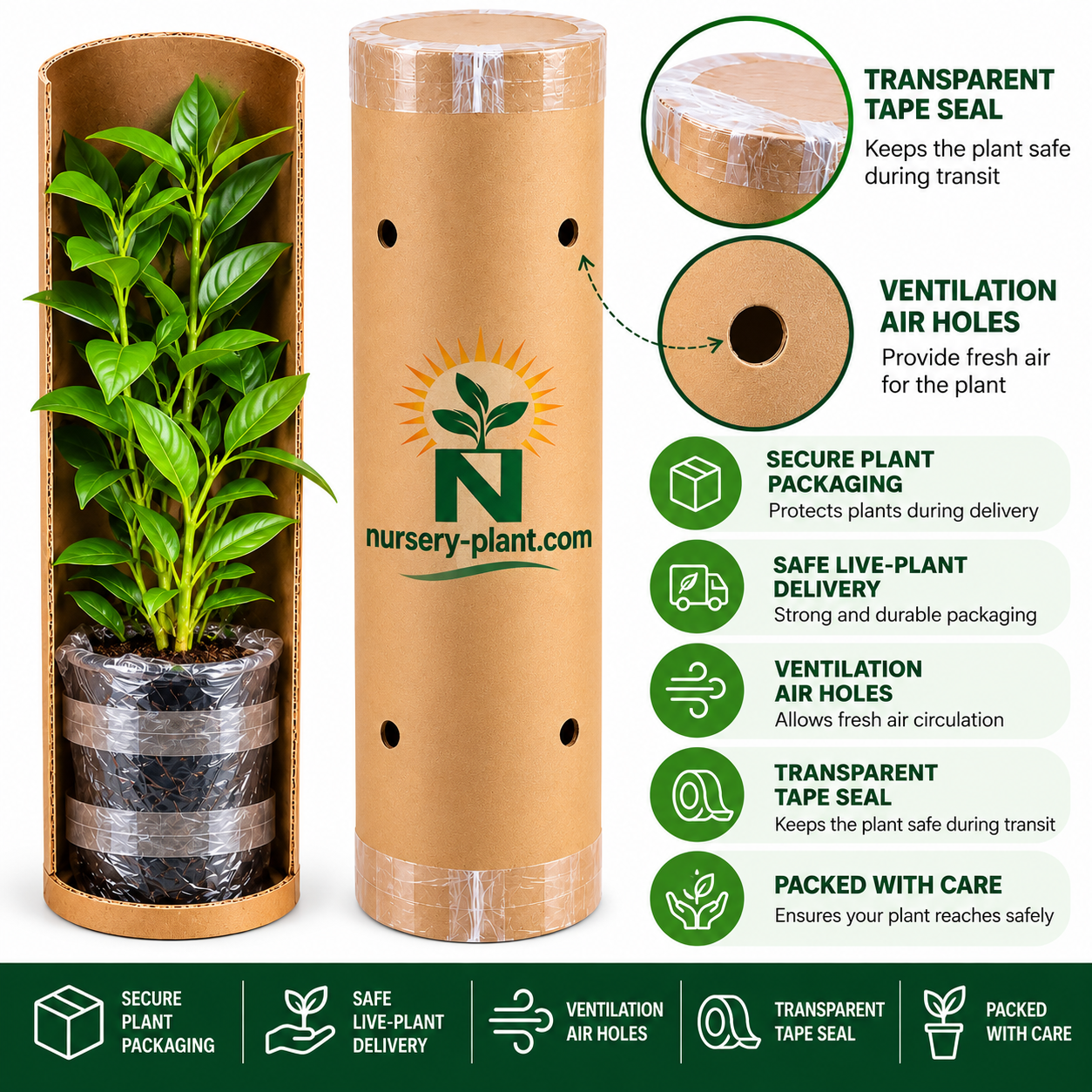
This product contains a live plant with pot. Because plants are living organisms, the exact appearance of the delivered plant may naturally differ from product photographs.
You may notice variations in:
- Plant height
- Number of leaves
- Leaf width and length
- Variegation pattern
- Leaf colour intensity
- Plant fullness
- Number of shoots
- Pot and growing-medium appearance
During transportation, a plant may experience temporary stress, including slight drooping, minor leaf bending, small amounts of leaf shedding or a temporary change in appearance. Changes in light, temperature, humidity and watering after delivery can also affect the plant.
These natural variations do not necessarily indicate a problem with the plant. Product photographs are representative of the plant type and may not show the exact individual plant you receive.
After delivery, place the plant in a suitable location with indirect or filtered light and allow it to gradually adjust to its new environment.
⚠️ Important Note
The name Sansevieria trifasciata is still extremely common in horticulture, while the currently accepted botanical name is Dracaena trifasciata. Both names may therefore appear in gardening references and nursery listings.
“Variegated Sansevieria” describes the foliage characteristic rather than guaranteeing a particular named cultivar. The precise colour pattern may vary naturally between plants.
The plant is sold primarily as a decorative foliage plant. Flowering is occasional and should not be expected immediately after purchase.
🌱 Why Choose This Plant?
- Attractive upright variegated foliage
- Excellent decorative plant for modern interiors
- Suitable for homes and offices
- Relatively low-maintenance
- Drought-tolerant once established
- Suitable for container gardening
- Can tolerate a range of indoor light conditions
- Requires relatively little watering
- Good choice for beginners
- Compact vertical growth makes efficient use of space
- Long-lived foliage plant when given suitable care
🌿 Botanical Information
Scientific Name: Dracaena trifasciata
Synonym: Sansevieria trifasciata
Family: Asparagaceae
Common Names: Snake Plant, Mother-in-Law’s Tongue, Variegated Sansevieria
Plant Type: Evergreen perennial succulent-like foliage plant
Native Range: West and West-Central Africa
Growth Habit: Upright, clumping
Foliage: Stiff, fleshy, sword-shaped and variegated
Container Suitable: Yes
Water Requirement: Low to moderate, with drying between waterings
Light: Bright indirect light to lower-light conditions
Soil: Free-draining potting medium
Main Ornamental Feature: Variegated upright foliage
🔗 Botanical Information & Further Reading
- Royal Botanic Gardens, Kew – Snake Plant (Dracaena trifasciata)
- Royal Horticultural Society – Sansevieria Plant Guide
- RHS – How to Grow Sansevierias
- RHS – Sansevieria trifasciata Plant Profile
- ASPCA – Snake Plant Safety Information for Dogs and Cats
- Kew – Dracaena Plant Information
Nursery-Plant.com: A beautiful, adaptable and easy-care Variegated Sansevieria is a practical choice for adding natural greenery and architectural foliage to your home, office or indoor workspace.


Reviews
There are no reviews yet.