

Bunny Ear Cactus Plant With Pot – A Cute & Easy-to-Grow Decorative Succulent for Home Garden
🌵 About the Plant
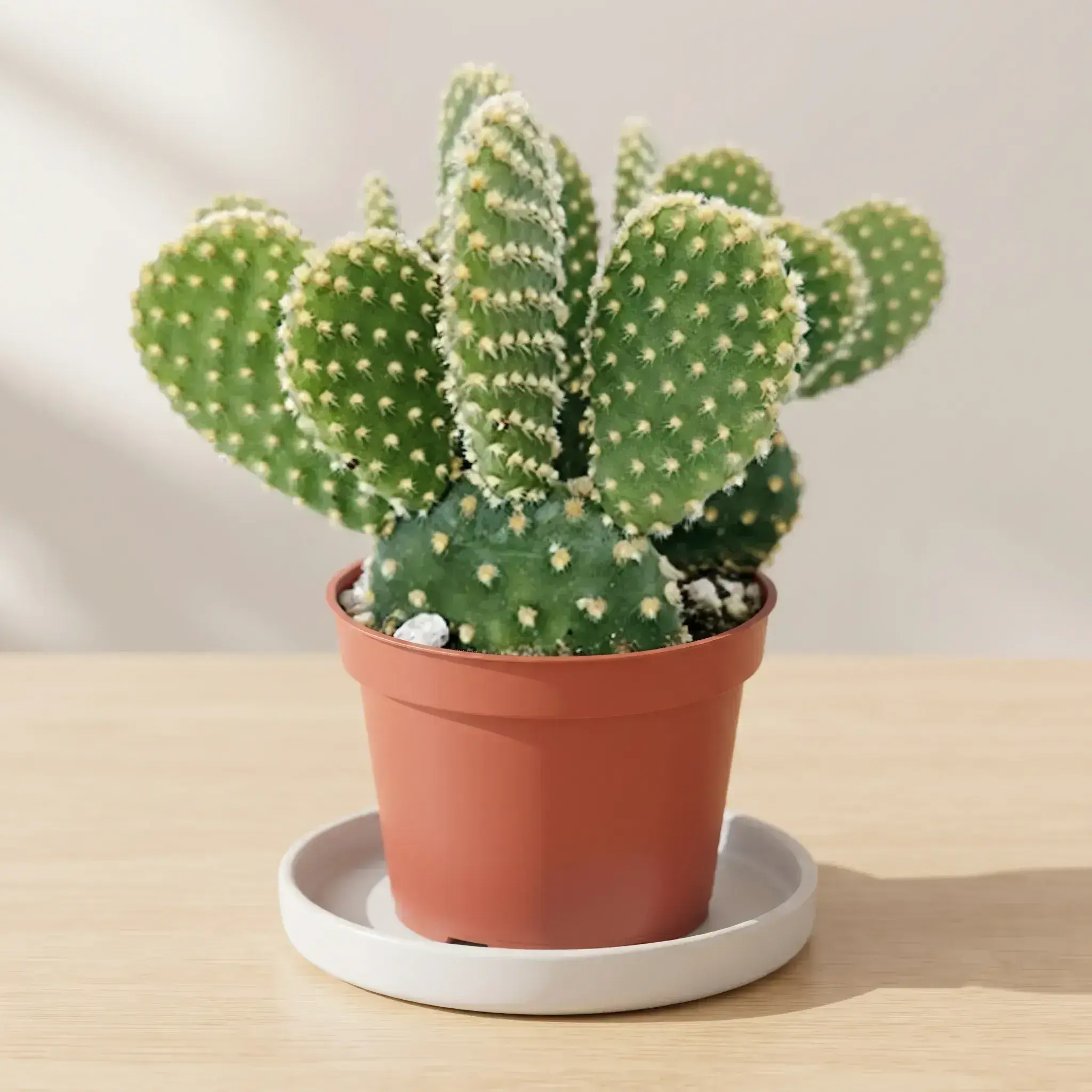
The Bunny Ear Cactus, scientifically known as Opuntia microdasys, is a charming and distinctive cactus recognised for its flat, rounded green pads that often develop in pairs and resemble the ears of a bunny. It is also commonly called Angel’s Wings Cactus, Polka Dot Cactus or Golden Bristle Cactus. It belongs to the Cactaceae (cactus) family and is native to Mexico.
Unlike many cacti with long, obvious spines, Bunny Ear Cactus has small clusters of very fine, barbed bristles called glochids. These may look like tiny dots on the pads, but they can detach easily when touched, so the plant should always be handled carefully.
Its unusual shape, compact appearance and relatively simple care requirements make it a popular choice for home gardens, balconies, sunny windows, patios and decorative container gardening.
The supplied pot makes it convenient to place directly into your home or garden collection.
🌱 Plant Characteristics
- Common Name: Bunny Ear Cactus
- Other Names: Angel’s Wings Cactus, Polka Dot Cactus, Golden Bristle Cactus
- Botanical Name: Opuntia microdasys
- Family: Cactaceae
- Plant Type: Perennial cactus / succulent
- Growth Habit: Bushy and branching
- Stem Shape: Flat, rounded or oval pads
- Pad Colour: Light to medium green
- Special Feature: Small clusters of glochids on the pads
- Water Requirement: Low
- Light Requirement: Bright light to full sun
- Best Use: Pots, balconies, terraces, patios and sunny home gardens
- Growth Rate: Slow
RHS describes Opuntia microdasys as a bushy perennial cactus with flattened, segmented green stems covered with areoles bearing small bristle-like spines. It recommends full sun and well-drained growing conditions.
🐰 Why Is It Called Bunny Ear Cactus?
The name comes from the plant’s unusual growth pattern.
New flat pads develop from the ends of older pads. When two pads grow close together, they can create a shape that resembles a pair of rabbit ears.
The plant’s rounded pads and dotted appearance make it especially attractive as a decorative succulent for people who want something different from conventional cactus varieties.
The exact shape of each plant will naturally depend on its age, growing conditions and number of new pads.
🌿 Pads & Foliage
Technically, the green “ears” are flattened stem segments, not conventional leaves.
The pads are generally green and flattened, with numerous small areoles distributed across their surface. Each areole may contain fine glochids. New pads can emerge from existing pads as the plant grows.
This unusual structure gives Bunny Ear Cactus its characteristic sculptural appearance.
A young plant may contain only a few pads, while an older specimen can gradually develop multiple branches and a larger clump.
☀️ Sunlight Requirements
Bunny Ear Cactus is a sun-loving cactus.
For healthy growth, provide plenty of bright natural light. Full sun is recommended by RHS, while North Carolina State Extension also describes the plant as suitable for full sun to partial shade.
Good locations include:
- Sunny balcony
- Terrace garden
- Bright south- or west-facing window
- Sunny patio
- Outdoor succulent garden
- Bright indoor area with strong natural light
If the plant has been growing in filtered or lower light, introduce stronger sunlight gradually rather than moving it suddenly into intense afternoon sun.
Insufficient light can lead to weaker, stretched growth and less compact pad development.
💧 Watering
Bunny Ear Cactus has low watering requirements.
The most important watering rule is to allow the growing medium to dry thoroughly between waterings. RHS recommends allowing the compost to dry before watering during the active growing period.
A practical routine is:
- Check the soil before watering.
- Wait until the soil has dried well.
- Water thoroughly.
- Allow excess water to drain completely.
- Never leave the pot standing in water.
During India’s monsoon season, watering may need to be reduced substantially because naturally wet conditions can keep the soil damp for too long.
Overwatering is a greater concern than occasional dryness.
🪴 Soil & Potting
Bunny Ear Cactus needs very well-draining soil.
A suitable cactus mix can contain:
- Well-draining potting soil
- Coarse sand
- Horticultural grit
- Perlite or pumice
- A moderate amount of organic material
RHS recommends a sharply draining cactus compost for Opuntia microdasys.
A pot with drainage holes is essential.
Avoid heavy garden soil that remains wet for long periods. Poor drainage can increase the risk of root rot and other moisture-related problems.
🌱 Fertilizer & Nutrition
Bunny Ear Cactus is not a heavy feeder.
During active growth, a diluted cactus or balanced liquid fertilizer can be applied occasionally according to the product instructions.
RHS indicates that a balanced liquid fertilizer can be applied several times during the active growing season when growing the plant under suitable conditions.
Avoid excessive fertilizer. Too much nutrition is unnecessary for a slow-growing cactus and may encourage weak or unbalanced growth.
🌡️ Temperature & Humidity
Bunny Ear Cactus prefers warm, bright and relatively dry conditions.
Good air circulation is useful, especially during India’s humid or rainy periods.
Avoid placing the plant in:
- Permanently damp corners
- Poorly ventilated bathrooms
- Areas where water regularly collects
- Locations exposed to prolonged heavy rain without drainage
RHS notes that Opuntia microdasys is frost tender and recommends sheltered conditions.
For Indian home gardens, protection from prolonged monsoon wetness is particularly important.
🏡 Home Garden Suitability
Bunny Ear Cactus is a versatile decorative container plant.
It can be grown in:
- Home gardens
- Balconies
- Terraces
- Patios
- Sunny windowsills
- Outdoor succulent collections
- Cactus gardens
- Decorative plant corners
Its unusual bunny-ear shape makes it especially suitable as a statement tabletop or shelf plant when young.
For indoor placement, choose the brightest available location rather than a dark corner.
🪴 Container & Balcony Gardening
This cactus is particularly suitable for container gardening.
The pot supplied with the plant allows it to be displayed immediately, while future repotting can be done as the plant develops.
When repotting:
- Use a cactus or succulent potting mix.
- Choose a pot only moderately larger than the existing one.
- Ensure good drainage.
- Handle the plant with suitable protection.
- Avoid watering heavily if the fresh potting medium is already damp.
RHS recommends repotting into a slightly larger container using cactus compost and notes that spiny plants should be handled with protective measures.
✂️ Pruning & Maintenance
Bunny Ear Cactus generally requires very little pruning.
Remove damaged or unwanted pads only when necessary.
Because the plant has glochids, never handle the pads directly with bare hands. Use thick gloves, folded newspaper, tongs or another suitable protective method when moving or repotting the plant.
RHS specifically recommends using folded newspaper or thorn-proof gloves when handling this cactus.
🌼 Flowers
Mature Bunny Ear Cactus plants can produce attractive yellow, bowl-shaped flowers, generally during warmer growing periods.
RHS records yellow flowers around 4–5 cm across for Opuntia microdasys.
However, flowering depends on plant maturity, sunlight, seasonal conditions and overall growing health.
Young container plants should not be expected to flower immediately after delivery.
🌱 Propagation
Bunny Ear Cactus can be propagated from stem pads.
A healthy pad can be separated from the parent plant and allowed to dry and callus before being placed in suitable, well-draining growing medium.
RHS lists rooting stem segments as a propagation method, while North Carolina State Extension also describes propagation through detached pads.
Propagation should always be carried out carefully because the pads contain glochids.
⚠️ Glochids — Important Handling Information
The tiny dots on Bunny Ear Cactus are not simply decorative markings.
The areoles contain glochids, which are very fine, barbed bristles. They can detach easily and may become embedded in skin.
RHS identifies Opuntia microdasys as a potential skin and eye irritant, while North Carolina State Extension describes the glochids as very thin and capable of detaching with light contact.
Therefore:
- Do not touch the pads with bare hands.
- Keep the plant away from areas where people frequently brush against it.
- Keep children away from the plant.
- Keep pets from chewing or rubbing against it.
- Use gloves or folded paper when moving it.
- Be especially careful when repotting or propagating.
Its cute appearance should not be mistaken for a completely harmless, touch-friendly plant.
🐶 Pet & Child Safety
ASPCA lists Bunny Ear Cactus (Opuntia microdasys) among the succulents discussed in its pet-safety information. Regardless of ingestion risk, the glochids can cause mechanical irritation to skin and eyes.
For households with pets or young children, place the plant somewhere it cannot easily be touched, knocked over or chewed.
If a pet or child has contact with the glochids or has ingested plant material, seek appropriate medical or veterinary advice if symptoms develop.
🌳 Space Requirement
Bunny Ear Cactus is slow-growing, but it can eventually become a branching clump.
RHS lists an eventual height of approximately 0.5–1 metre under its stated growing conditions, while mature size can vary substantially depending on climate, container size and cultivation.
The supplied plant will naturally be much smaller than a mature specimen.
Give it enough space for new pads to develop without touching nearby objects, curtains or frequently used walkways.
🌱 Special Cultivation Notes
The most important special requirement for Bunny Ear Cactus is excellent drainage combined with strong light.
It is not a plant that should be treated like a regular leafy houseplant.
A successful routine is simple:
Bright light + fast-draining soil + thorough but infrequent watering + good airflow.
During the Indian monsoon, pay particular attention to drainage and prolonged wetness.
🌵 Why Choose This Plant?
- Cute and distinctive bunny-ear appearance
- Attractive flat green cactus pads
- Compact when young
- Easy-care succulent for suitable locations
- Low watering requirement
- Excellent choice for container gardening
- Suitable for balconies and terraces
- Can be grown indoors in a very bright location
- Attractive yellow flowers can appear on mature plants
- Interesting plant for cactus and succulent collectors
- Supplied with a pot for convenient home display
📦 Live Plant Delivery & Natural Variation
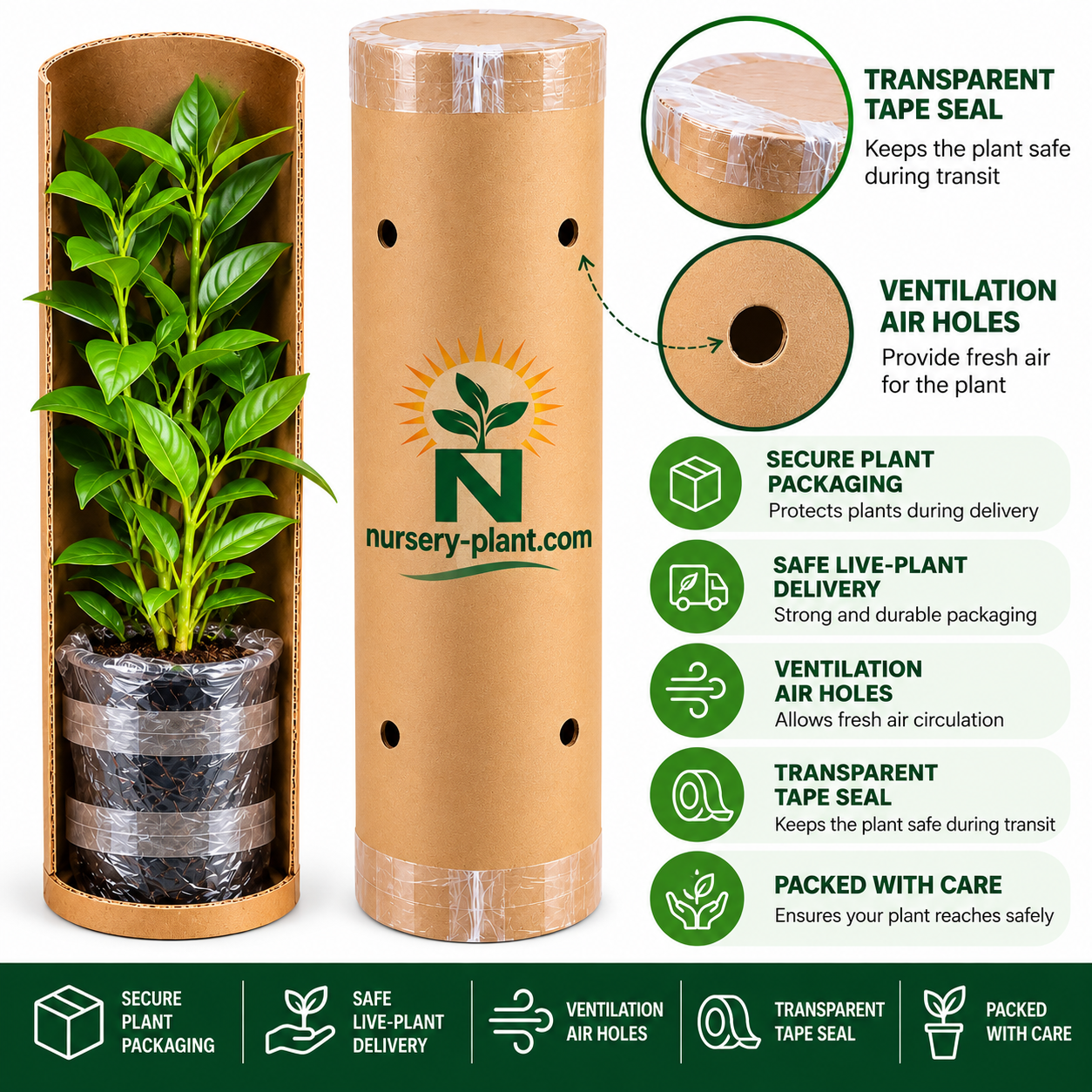
This is a live cactus plant, so the exact plant supplied may naturally differ from the product photograph.
Natural variation may include:
- Different plant height
- Different number of pads
- Variation in pad size
- Slight differences in green colour
- Different pad orientation
- Minor marks on older pads
- Small differences in branching
- Temporary movement or leaning after transportation
- Minor cosmetic damage caused during handling or delivery
The number and size of new “ears” also depend on plant maturity and growing conditions.
Changes in sunlight, temperature, watering and humidity after delivery can temporarily affect the plant’s appearance.
Product photographs are representative. The exact plant supplied may naturally vary in size, shape and pad development.
⚠️ Important Note
Handle Bunny Ear Cactus carefully.
The small bristle clusters on its pads contain fine glochids that can detach easily and irritate skin and eyes. Always use suitable protection when moving, repotting or propagating the plant.
Do not place it where children, pets or people walking past can accidentally brush against it.
Also avoid frequent watering. Well-draining soil and allowing the growing medium to dry between waterings are essential for healthy growth.
🌿 Botanical Information
Scientific Name: Opuntia microdasys
Family: Cactaceae
Genus: Opuntia
Plant Type: Perennial cactus / succulent
Growth Habit: Bushy, branching and pad-forming
Native Range: Mexico and nearby desert regions
Common Names: Bunny Ear Cactus, Angel’s Wings Cactus, Polka Dot Cactus, Golden Bristle Cactus
Main Ornamental Feature: Flat green pads with spotted areoles and fine glochids
Flower Colour: Yellow
Light: Full sun to very bright light
Water Requirement: Low
Best Growing Medium: Sharply draining cactus/succulent mix
RHS recognises Opuntia microdasys as the correct botanical name and places it in the cactus family Cactaceae.
🔗 Botanical Information & Further Reading
- Royal Horticultural Society – Opuntia microdasys (Bunny Ears Cactus)
- RHS – How to Grow Houseplant Cacti & Succulents
- RHS – Cacti & Succulent Growing Guide
- North Carolina State Extension – Bunny Ears (Opuntia microdasys)
- ASPCA – Succulents & Pet Safety
- Wikimedia Commons – Opuntia microdasys Images & Media
- Wikipedia – Opuntia microdasys
Bunny Ear Cactus is a charming, slow-growing decorative cactus that combines a unique appearance with simple care requirements. With plenty of light, excellent drainage and careful watering, it can become a beautiful long-term addition to a home garden or succulent collection.
For More Information
Visit: Nursery-Plant.Com
For Contact Visit:Contact Us
For Shopping Visit: Shop Page


Reviews
There are no reviews yet.