
Dwarf Variety Kadamba Hybrid Plant – Kadamba/Katampam/Kadamb Healthy Live Plant
🌿 About the Dwarf Kadamba Plant
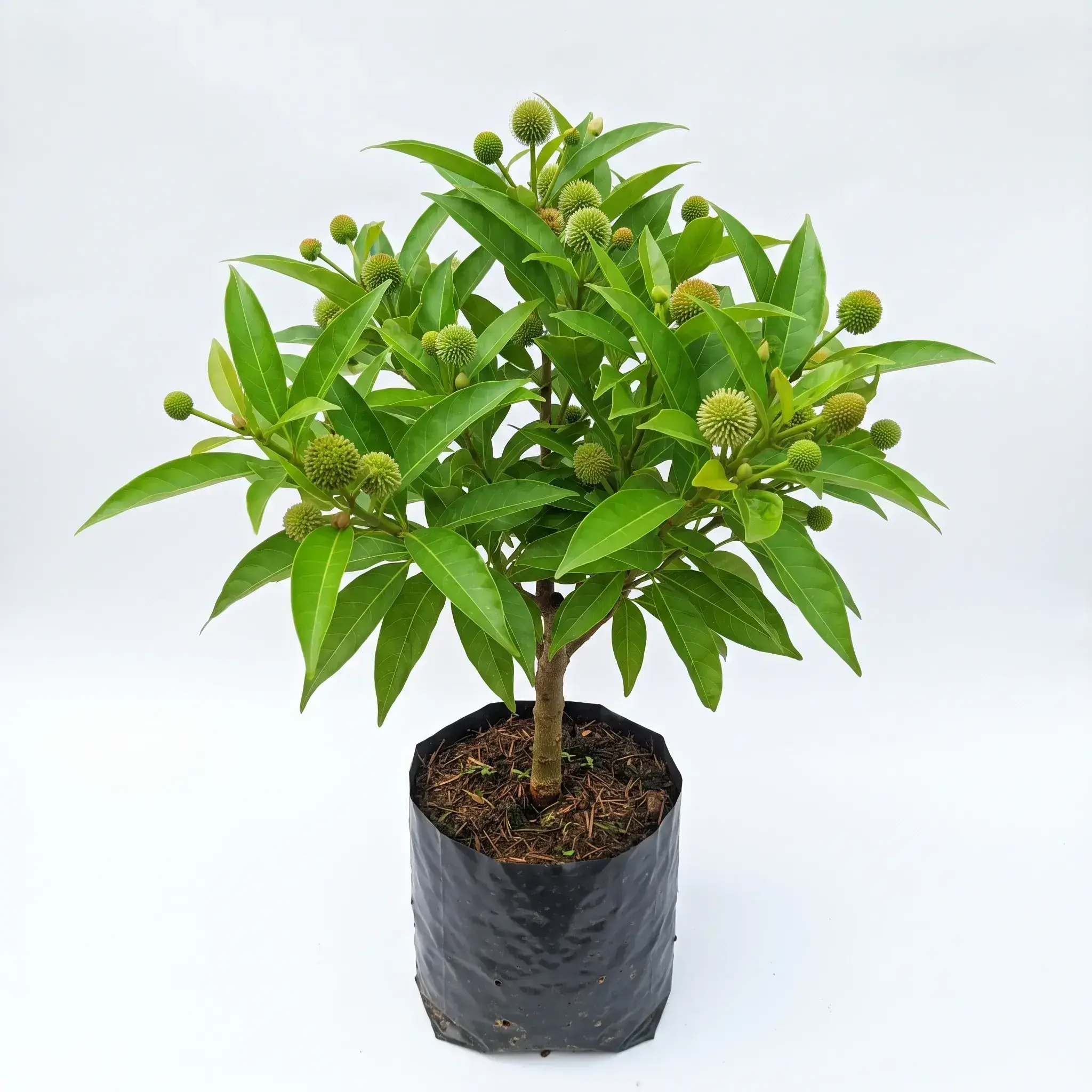
The Dwarf Variety Kadamba Hybrid Plant is a beautiful ornamental form sold for home gardens, terraces, balconies and container gardening. It is associated with the traditional Kadamba / Kadamb / Katampam tree, a well-known tropical tree valued for its attractive foliage, fragrant flowers and cultural importance in India.
The accepted botanical name of the Kadamba tree is Neolamarckia cadamba (Roxb.) Bosser, belonging to the Rubiaceae family. Older botanical literature and nursery listings may use names such as Anthocephalus cadamba. Kew recognizes Neolamarckia cadamba as the accepted name.
The term “Dwarf Variety” or “Hybrid” in this product name refers to the nursery-grown selection being offered. The exact cultivar or breeding parentage may vary by nursery, so it should not be confused with the standard full-sized Kadamba tree.
🌱 Attractive Tropical Ornamental Plant
Kadamba naturally develops into a fast-growing tropical tree with a broad crown and large green leaves. The standard species can become a very large tree, while a dwarf or nursery-selected form can be more convenient for container and home-garden use when young.
The plant can add a fresh tropical appearance to:
- 🪴 Home gardens
- 🌿 Terrace gardens
- 🏡 Outdoor spaces
- 🌱 Large containers
- 🌳 Garden borders and open landscapes
- 🏢 Office or commercial outdoor areas
- 🌼 Tropical-themed gardens
🌼 Kadamba Flowers
One of the most attractive features of Kadamba is its distinctive round flower heads. The flowers are produced in dense, ball-like clusters and are known for their pleasant fragrance. World Agroforestry describes the flowers as fragrant and orange or yellow, and notes their importance to pollinators.
With suitable growing conditions and sufficient maturity, a healthy plant may eventually produce the characteristic Kadamba flowers. Flowering is not guaranteed immediately after delivery, especially when the plant is young or has recently been transplanted.
🍃 Foliage & Growth
Kadamba has attractive, broad green leaves that give the plant a lush tropical appearance. The species is naturally a fast-growing tree, particularly during its early years under favourable conditions.
The dwarf nursery form is particularly useful for gardeners who want the appearance and character of Kadamba while starting with a more manageable plant.
Because the standard species can ultimately become a large tree, customers planning long-term outdoor planting should provide sufficient space as the plant develops.
☀️ Sunlight Requirements
Place the plant in a bright location with good sunlight.
For best growth:
- Provide several hours of bright sunlight each day.
- Morning or filtered sunlight is useful for younger plants.
- Gradually acclimatise a nursery-grown plant before exposing it to intense afternoon sunlight.
- Avoid keeping the plant permanently in a dark indoor room.
- For outdoor growth, an open and well-lit location is preferable.
Kadamba is a light-demanding species, although young plants can require protection from excessively harsh conditions while establishing.
💧 Watering
Kadamba generally appreciates moisture during active growth, but the plant should not be kept in stagnant water.
Follow this simple routine:
- Check the upper layer of soil before watering.
- Water thoroughly when the soil begins to dry.
- Allow excess water to drain through the pot’s drainage holes.
- Reduce watering during prolonged cool or cloudy periods.
- Never allow the pot to remain continuously waterlogged.
Kadamba naturally performs well in moist growing conditions, particularly in deep, well-drained soils.
🪴 Soil & Potting
Use a fertile, well-draining growing medium.
A practical container mix can include:
- Garden soil
- Compost or well-rotted organic matter
- Cocopeat
- Coarse sand or another drainage material
Choose a container with adequate drainage holes. As the plant grows, move it into a larger container when the existing pot becomes root-bound.
For long-term growth, the plant may eventually require an outdoor location with more space because standard Kadamba develops into a large tree.
🌱 Fertilizer
During active growth, feed the plant periodically with a balanced organic or general-purpose plant fertilizer.
A simple routine:
- Apply compost or organic manure periodically.
- Use a balanced liquid fertilizer according to its label instructions.
- Avoid excessive fertilizer.
- Reduce feeding during periods of slow growth.
Healthy soil, adequate sunlight and correct watering are more important than excessive fertilizer application.
✂️ Pruning & Plant Shape
Light pruning can help maintain a compact appearance, especially when the plant is being grown in a container.
You can:
- Remove weak or damaged branches.
- Trim excessively long shoots.
- Maintain a neat shape.
- Remove unwanted growth from the lower portion if required.
- Use formative pruning while the plant is young.
Kadamba is known to respond to coppicing and pruning management, although the pruning requirements of a particular dwarf selection can vary.
🏡 Where Can You Grow It?
This plant is suitable for gardeners looking for a tropical ornamental tree for:
Home Garden: Adds lush green foliage and a tropical appearance.
Terrace Garden: Suitable while maintained in an appropriately sized container.
Balcony: Possible when the plant is young and receives sufficient sunlight.
Office: Better suited to a bright outdoor or naturally illuminated area rather than a dark indoor room.
Landscape Garden: Can be planted outdoors where adequate space is available.
🌳 Dwarf Variety – Important Note
The name “Dwarf Kadamba” is commonly used in the nursery trade to describe smaller or selected plants. The natural species Neolamarckia cadamba itself is a large tree. World Agroforestry records the species as capable of reaching approximately 45 metres under suitable conditions.
Therefore, dwarf should not be interpreted as a guarantee that the plant will remain permanently miniature. Actual mature size depends on the particular nursery selection, growing conditions, pot size and pruning.
🌿 Kadamba in India
Kadamba is native to parts of South and Southeast Asia, including India, and is strongly associated with the tropical landscape of the region. Kew lists India within its native range.
The names Kadamba, Kadamb and Kadam are documented for Neolamarckia cadamba, while related regional names such as Katampu are also recorded in Kew’s medicinal plant name database.
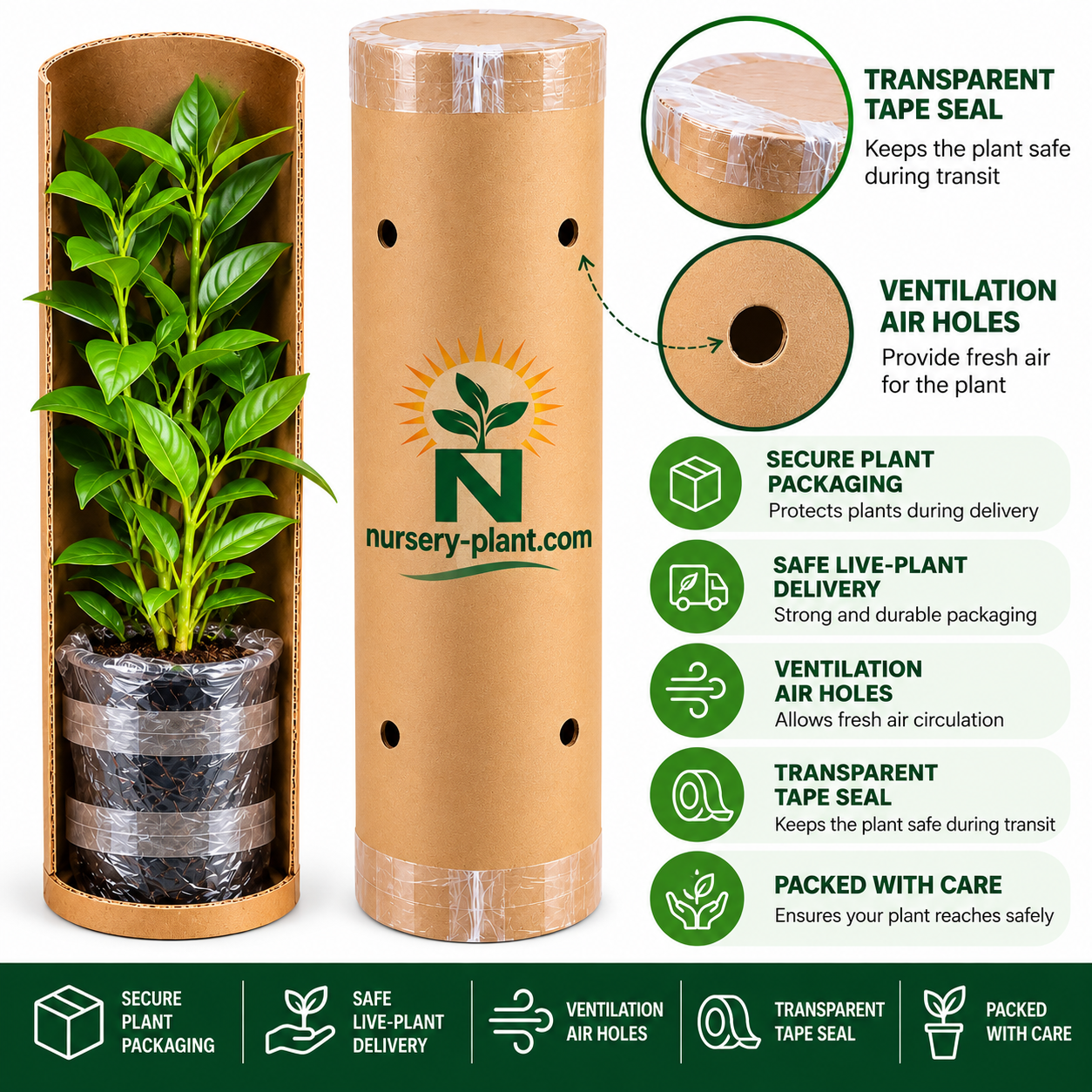
📦 Live Plant Delivery & Natural Variation
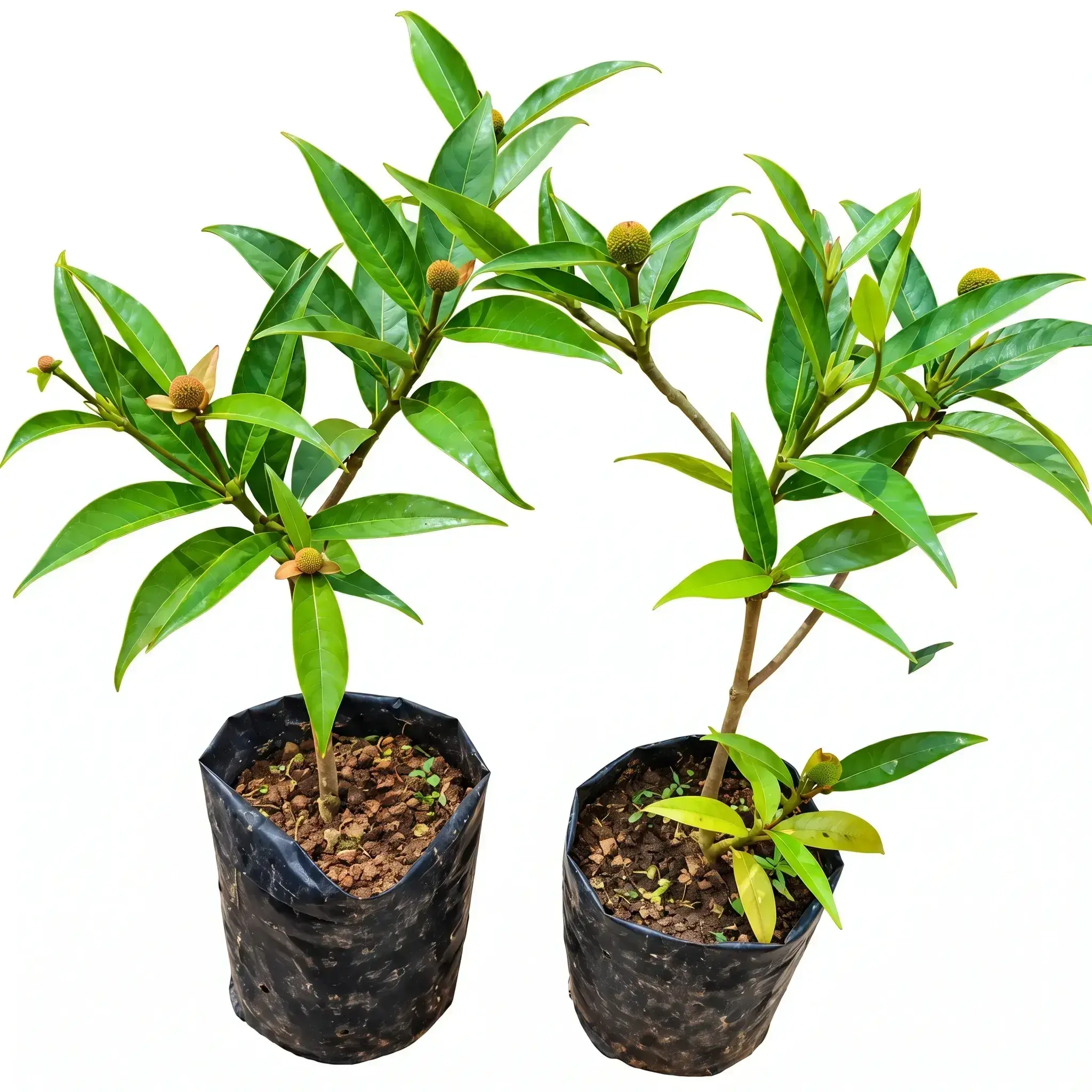
This is a live plant, so its appearance may vary slightly from the product photographs.
You may notice:
- Minor leaf yellowing after transportation
- Temporary leaf drooping
- Small differences in height
- Differences in leaf size
- Natural variation in stem thickness
- New shoots appearing after acclimatisation
These can occur because the plant experiences changes in light, temperature, humidity and watering during transportation.
After receiving the plant, place it in a suitable bright location, water appropriately and allow it time to acclimatise.
⚠️ Important Growing Note
Kadamba is naturally a large and fast-growing tree species. Even when purchased as a dwarf or hybrid nursery plant, provide adequate space as it matures. For permanent ground planting, consider the eventual size of the particular selection and keep appropriate distance from buildings, underground services and other large trees.
🌱 Why Choose a Dwarf Kadamba Plant?
- 🌿 Attractive tropical foliage
- 🌼 Distinctive Kadamba flower clusters when mature
- 🌱 Suitable for garden enthusiasts
- 🪴 Can be started in a container
- ☀️ Performs well in bright light
- 🌳 Traditional and culturally important Indian tree
- 🌱 Interesting choice for tropical and ornamental gardens
- 🏡 Suitable for home gardening and landscaping
🌿 Botanical Information & Further Reading
- Accepted Botanical Name: Neolamarckia cadamba (Roxb.) Bosser
- Family: Rubiaceae
- Common Names: Kadamba, Kadamb, Kadam, Kadamba Tree, Burflower Tree
- Plant Type: Tropical ornamental tree
- Growth Habit: Fast-growing tree
- Native Range: South China to Tropical Asia, including India
For botanical information, see Kew – Plants of the World Online: Neolamarckia cadamba.
For documented traditional names and botanical nomenclature, see Kew Medicinal Plant Names Services – Kadamba.
For tree characteristics and management information, see World Agroforestry – Kadam Tree Profile.
For cultivation information from an Indian agricultural resource, see TNAU – Cultivation Techniques for Neolamarckia cadamba.
For information on improved Kadamba clones developed through Indian tree-improvement work, see TNAU – Kadam AC17 Variety Information.
For More Information Visit: Nursery-Plant.Com
For Contact Visit:Contact Us
For Shopping Visit: Shop Page


Reviews
There are no reviews yet.