Jade Plant (Zed Plant) – Crassula ovata for Home, Garden & Office
The Jade Plant (Crassula ovata), also known as the Zed Plant, Jade Tree, Money Plant or Lucky Plant.
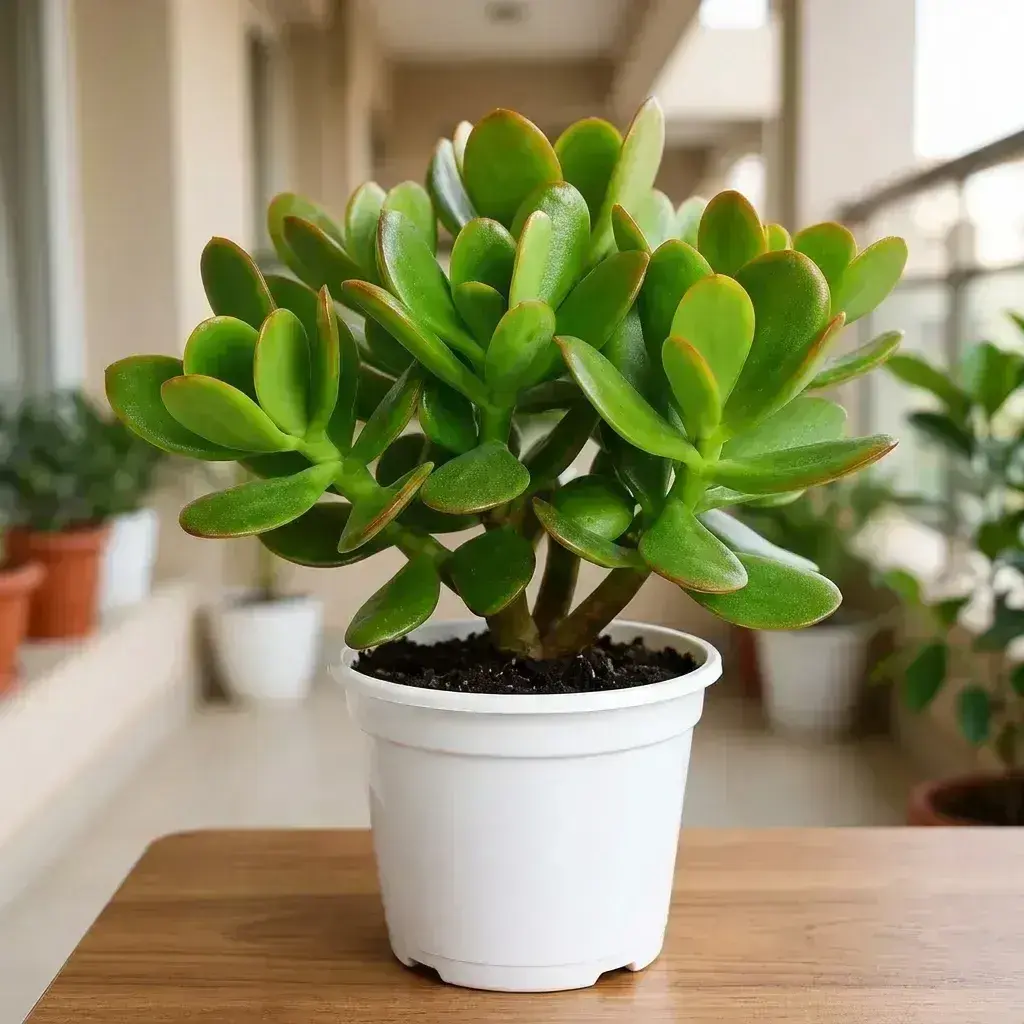
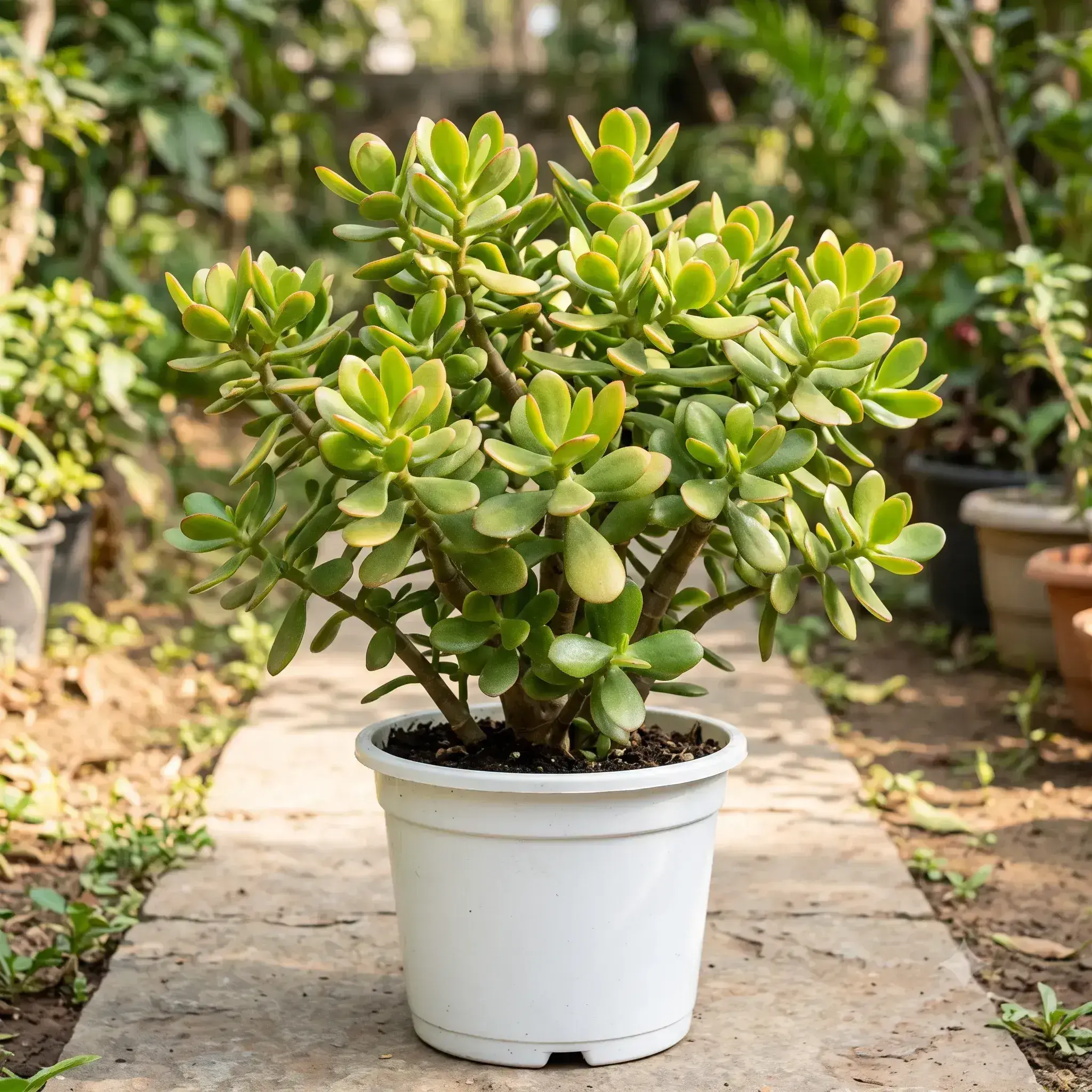
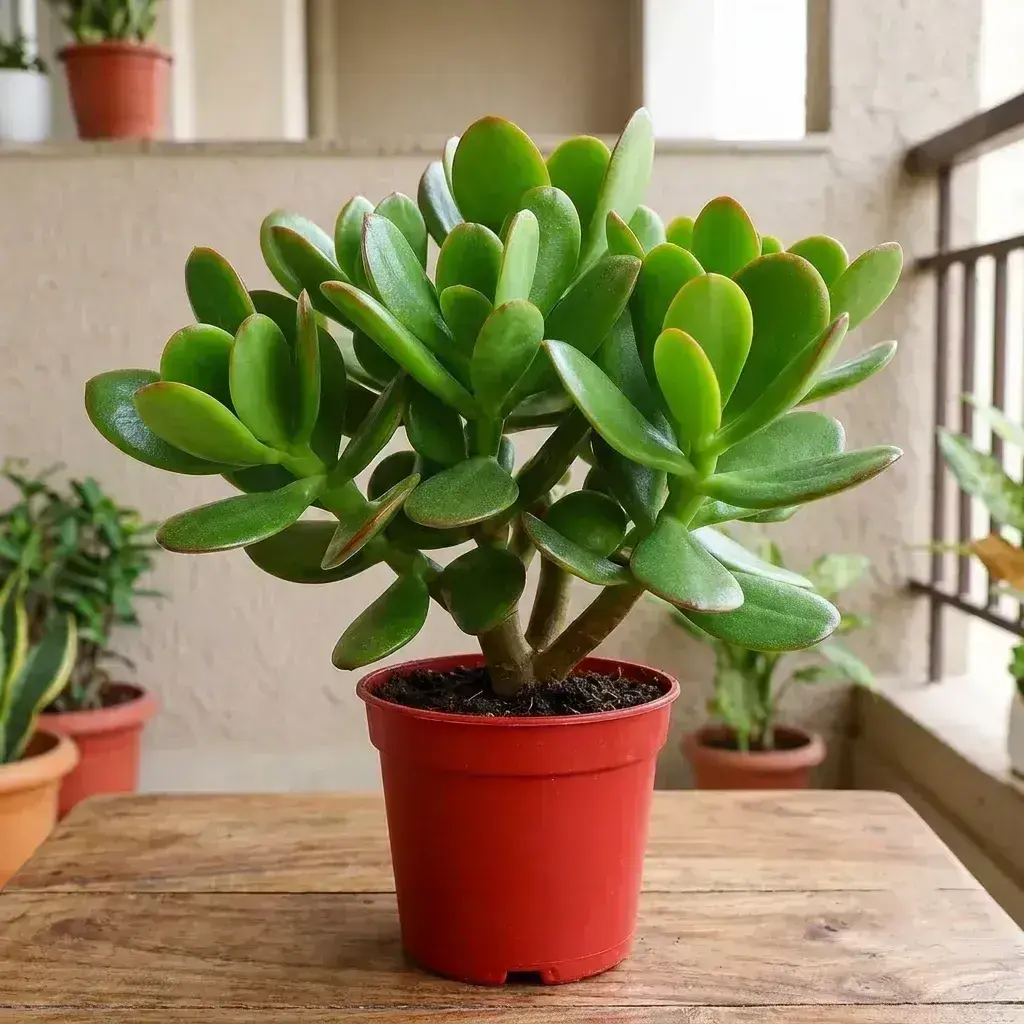
The Jade Plant is a popular ornamental succulent admired for its thick, fleshy green leaves and sturdy branches. As it grows, its woody stems develop a miniature tree-like appearance, making it an attractive choice for decorative pots, balconies, windowsills and succulent gardens.
This slow-growing, low-maintenance plant is suitable for beginners and experienced gardeners. It is also traditionally associated with good luck, prosperity and positive energy, making it a popular gift for homes, offices and business spaces.
Plant Highlights
- Common Names: Jade Plant, Zed Plant, Jade Tree, Money Plant, Lucky Plant
- Botanical Name: Crassula ovata
- Family: Crassulaceae
- Plant Type: Evergreen succulent shrub
- Native Origin: South Africa and Mozambique
- Foliage: Thick, fleshy, oval-shaped green leaves
- Stem: Thick, woody and branched
- Flower Colour: White to pale pink
- Light Requirement: Bright light with some direct sunlight
- Water Requirement: Low to moderate; allow soil to dry between watering
- Growth Rate: Slow to moderate
- Best For: Home, office, balcony, garden and decorative pots
- Maintenance: Low
About the Jade Plant
The Jade Plant is a long-lived succulent belonging to the Crassulaceae family. Its botanical name is Crassula ovata. It originates from southern Africa, where it grows in warm conditions and stores water in its leaves and stems.
The plant is recognised by its rounded, fleshy leaves, which are usually deep green and may develop reddish edges when exposed to suitable bright light.
As the plant matures, its stems become thicker and more woody, giving it the appearance of a small tree. With regular care and pruning, it can develop an attractive miniature-tree shape.
Appearance and Growth
The Jade Plant has a distinctive appearance that makes it popular for indoor and outdoor decoration.
- Thick, oval or egg-shaped leaves
- Glossy green foliage
- Sometimes reddish leaf margins under bright light
- Strong, branching stems that become woody with age
- Compact growth when provided with sufficient light
With time, a healthy Jade Plant can develop a thick main trunk and several branches. It can be maintained as a compact potted plant or allowed to grow into a larger ornamental shrub.
Flowers and Flowering Season
Mature Jade Plants may produce small, star-shaped flowers in clusters. The flowers are generally white or pale pink.
Flowering usually depends on plant maturity, light exposure and seasonal conditions. Mature outdoor plants are more likely to flower than plants kept permanently indoors under limited light.
The foliage and tree-like structure remain the main decorative features, even when the plant does not flower.
Sunlight Requirements
Jade Plants need plenty of light to maintain strong stems and healthy leaves.
Best lighting conditions:
- Bright natural sunlight
- A sunny balcony
- A bright windowsill
- A terrace garden with suitable sunlight
- A well-lit office window
Around 4 hours or more of direct sunlight can help support compact growth. However, if the plant has been growing indoors or in shade, introduce stronger sunlight gradually to prevent leaf scorching.
In very hot Indian summers, protect it from extreme afternoon heat if the leaves show signs of burning.
Watering Requirements
The Jade Plant stores water in its thick leaves and stems, so it does not need frequent watering.
Follow these watering tips:
- Check the soil before watering.
- Allow the growing medium to dry completely between waterings.
- Water thoroughly until excess water drains from the bottom.
- Empty any water collected in the pot’s saucer.
- Reduce watering during cool or humid weather.
Important for West Bengal: During the monsoon, protect the plant from continuous rainfall. Wet soil combined with high humidity can cause root rot and stem damage.
Do not water simply because the upper soil surface looks dry. Check the soil deeper inside the pot as well.
Best Soil for Jade Plant
Jade Plants require loose, well-draining soil. Heavy soil that holds too much water can damage their roots.
A suitable homemade potting mixture can include:
- 30% garden soil or good-quality potting soil
- 30% coarse sand or pumice
- 30% perlite, small gravel or similar drainage material
- 10% mature compost
Adjust the mixture according to your local soil and climate. The final mixture should drain quickly and should not remain soggy after watering.
Always use a pot with drainage holes.
Temperature and Indian Climate
Jade Plants prefer warm conditions and can grow well in many parts of India.
For healthy growth:
- Provide bright light and good air circulation.
- Protect the plant from prolonged heavy rain.
- Avoid keeping its roots continuously wet.
- Protect it from frost and unusually cold conditions.
- Avoid sudden changes from shade to intense sunlight.
In humid areas such as West Bengal, well-draining soil and monsoon protection are particularly important.
Fertilizer Requirements
Jade Plants do not require heavy feeding.
During active growth:
- Use a balanced liquid fertilizer diluted according to the product instructions.
- Apply occasionally during the growing season.
- Avoid excessive nitrogen fertilization.
- Do not fertilize a stressed or recently repotted plant.
A small amount of mature compost can also be incorporated into the growing medium when repotting.
Growing Jade Plant in Pots
Jade Plants are excellent container plants and can remain in pots for many years.
Choose a sturdy pot with drainage holes. Terracotta or ceramic pots are useful because they provide stability and help the growing medium dry more quickly.
Suitable containers include:
- Terracotta pots
- Ceramic decorative pots
- Succulent planters
- Bonsai-style containers
- Balcony garden pots
As the plant becomes larger, its branches and trunk may make it top-heavy. Choose a stable container to prevent it from falling over.
Repot approximately every 2–3 years, or when the plant outgrows its container or the growing medium needs replacement.
Best Places to Keep Jade Plant
Home: Place it near a bright window, balcony or sunny entrance.
Office: Keep it near a window where it receives plenty of natural light. Avoid dark office corners.
Balcony: A sunny, sheltered balcony is a good location, provided the plant is protected from prolonged heavy rain.
Garden: Grow it in a well-drained container or suitable protected garden location.
Business Spaces: Its attractive miniature-tree appearance makes it a popular decorative plant for reception areas and workspaces with sufficient light.
Pruning and Maintenance
Pruning helps maintain a balanced shape and encourages branching.
- Remove dry or damaged branches.
- Trim excessively long or weak stems.
- Use clean, sharp pruning scissors.
- Prune during active growth when possible.
- Avoid removing too many branches at once.
Regularly check the leaves and stems for mealybugs, scale insects and other pests.
Propagation
Jade Plants are easy to propagate using stem cuttings and healthy leaves.
Stem cutting method:
- Select a healthy branch or stem.
- Cut a section using clean pruning scissors.
- Allow the cut surface to dry and form a callus.
- Place the cutting in a well-draining succulent mixture.
- Keep it in bright indirect light.
- Water sparingly while roots develop.
Leaf propagation:
A healthy, mature leaf can also be used for propagation. Allow the detached leaf to dry before placing it on or slightly into a suitable succulent growing medium. Rooting and new growth can take time, and not every leaf will develop successfully.
Common Problems and Solutions
1. Yellow or soft leaves
This can indicate overwatering or poor drainage. Check the soil and roots, and allow the growing medium to dry before watering again.
2. Leaves falling off
Sudden leaf drop can result from overwatering, severe dryness, cold stress or abrupt environmental changes. Review the plant’s watering and growing conditions.
3. Long, weak branches
Insufficient sunlight can cause stretched growth. Gradually move the plant to a brighter location.
4. Brown or scorched leaves
Excessive direct sunlight, particularly after a sudden move from shade, can scorch the foliage. Introduce stronger sunlight gradually.
5. Wrinkled leaves
The plant may need water, although damaged roots can also prevent proper water absorption. Check the soil and root condition before watering.
6. Root rot
Continuously wet soil is a common cause. Remove damaged roots and repot the plant in fresh, well-draining succulent soil.
7. Mealybugs
Look for small white, cotton-like insects around leaves and stems. Remove visible pests and use an appropriate plant-safe treatment according to its label.
Is Jade Plant Suitable for Indoor Growing?
Yes. Jade Plants can grow indoors when they receive sufficient natural or suitable artificial light.
Good indoor locations include:
- Bright windowsills
- Sunny rooms
- Office windows
- Well-lit balconies
- Indoor plant corners near natural light
A dark room or office desk without adequate light is not suitable for long-term healthy growth.
Jade Plant as a Gift
The Jade Plant is often associated with prosperity, good fortune and friendship in different cultural traditions.
It is commonly given as a gift for:
- Housewarming ceremonies
- Office decoration
- Business openings
- Birthdays
- Festive occasions
These associations are traditional beliefs rather than scientifically established effects.
Safety and Handling
Jade Plant is an ornamental plant and should not be eaten. It is considered toxic to cats and dogs if ingested and may cause symptoms such as vomiting or lethargy. Keep it out of reach of pets and small children.
Live Plant Delivery
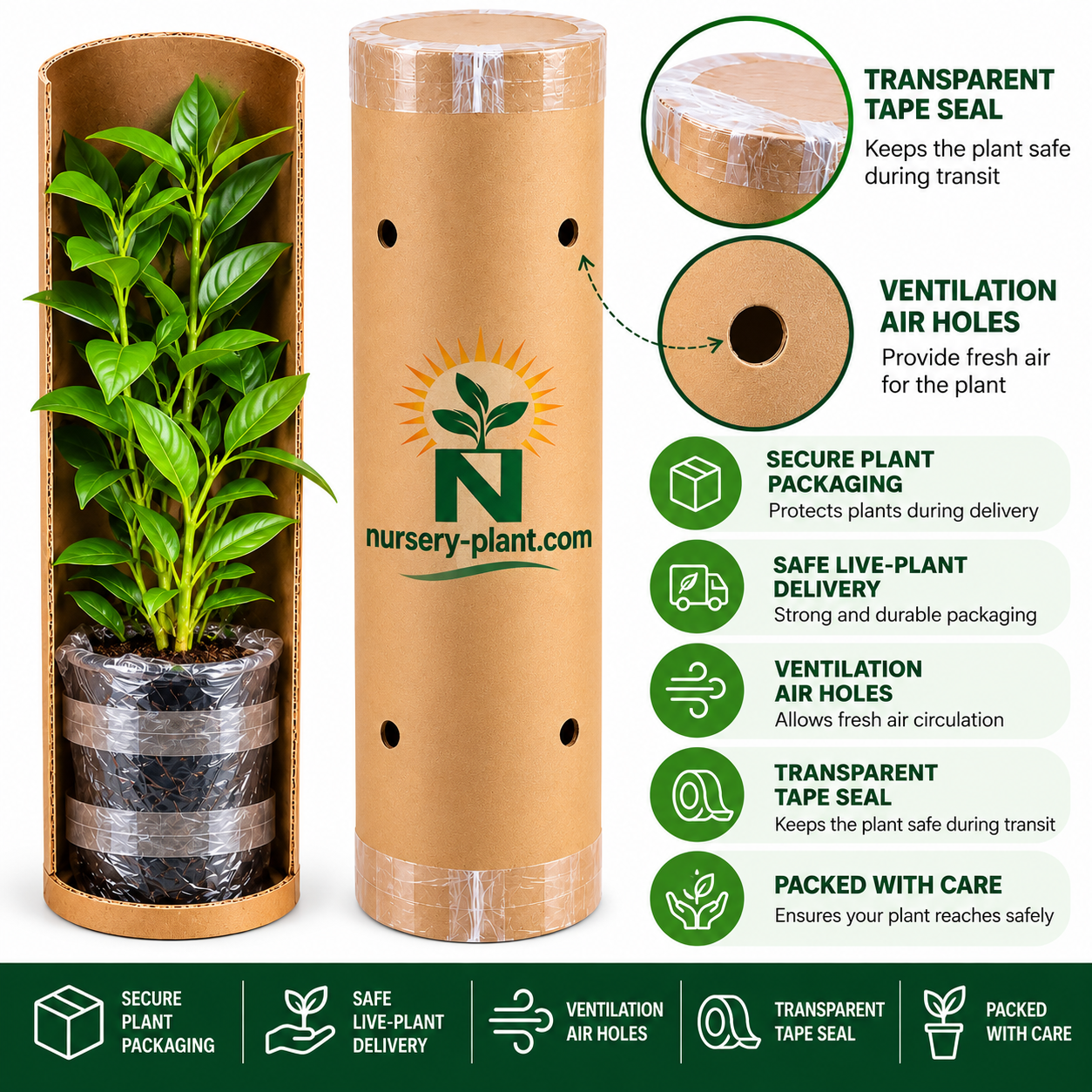
Your Jade Plant will be supplied as a live ornamental plant suitable for growing in a home garden, balcony or office.
As plants are living products, leaf size, plant height, branching pattern and overall appearance may vary according to the growing stage and season. The delivered plant may look slightly different from the product photograph.
After delivery, place the plant in a suitable bright location and allow it to adjust to its new environment. Avoid excessive watering immediately after arrival.
Why Choose the Jade Plant?
- Attractive thick, fleshy green leaves
- Beautiful woody, tree-like appearance as it matures
- Suitable for decorative pots and succulent gardens
- Low-maintenance once established
- Can be shaped through pruning
- Easy to propagate from stem cuttings
- Suitable for bright homes, balconies and offices
- Traditionally associated with good luck and prosperity
Botanical Information & Further Reading
Explore these reliable resources for more information about Crassula ovata:
- Royal Horticultural Society – Crassula ovata
- North Carolina State Extension – Crassula ovata
- Clemson University – Jade Plant Care Guide
- University of Wisconsin Extension – Jade Plant
- University of California Agriculture and Natural Resources – Crassula ovata
- University of Connecticut – Jade Plants Guide (PDF)
- New York Botanical Garden – Jade Plant Growing Guide
Frequently Asked Questions
1. What is the botanical name of the Jade Plant?
The botanical name of the Jade Plant is Crassula ovata. It belongs to the Crassulaceae family.
2. Is the Zed Plant the same as the Jade Plant?
Yes. Zed Plant is a nursery or trade name commonly used for the Jade Plant, Crassula ovata.
3. Is Jade Plant a succulent?
Yes. It is a succulent plant that stores water in its thick leaves and stems.
4. Can Jade Plant grow indoors?
Yes. It can grow indoors near a bright window where it receives sufficient light.
5. Does Jade Plant need direct sunlight?
Jade Plants prefer bright light and can benefit from several hours of direct sunlight. Introduce direct sunlight gradually to avoid leaf scorching.
6. How often should I water Jade Plant?
Water when the soil has dried completely. Watering frequency depends on temperature, humidity, pot size and soil type.
7. Can Jade Plant grow in West Bengal?
Yes. It can grow in West Bengal with suitable sunlight, good drainage and protection from prolonged monsoon rainfall.
8. Is Jade Plant good for office decoration?
Yes. Its compact, tree-like appearance makes it attractive for office windows, reception areas and bright workspaces.
9. Does Jade Plant produce flowers?
Yes. Mature plants can produce small white or pale-pink star-shaped flowers under suitable growing conditions.
10. Can Jade Plant be grown in small pots?
Yes. It grows well in containers and can remain in a pot for years. Choose a stable pot with drainage holes.
11. How can I propagate Jade Plant?
It can be propagated through stem cuttings and healthy leaves. Stem cuttings are generally a straightforward method.
12. Why are my Jade Plant leaves falling off?
Leaf drop may be caused by overwatering, severe dryness, sudden temperature changes or other environmental stress.
13. Is Jade Plant easy to maintain?
Yes. It is generally easy to maintain when provided with sufficient light, well-draining soil and careful watering.
14. Is Jade Plant safe for pets?
No. Jade Plant can be toxic to cats and dogs if eaten. Keep it away from pets.
For More Information
Visit: Nursery-Plant.Com
For Contact Visit:Contact Us
For Shopping Visit: Shop Page


Reviews
There are no reviews yet.