

Allamanda Yellow Plant – Golden Trumpet (Allamanda cathartica)
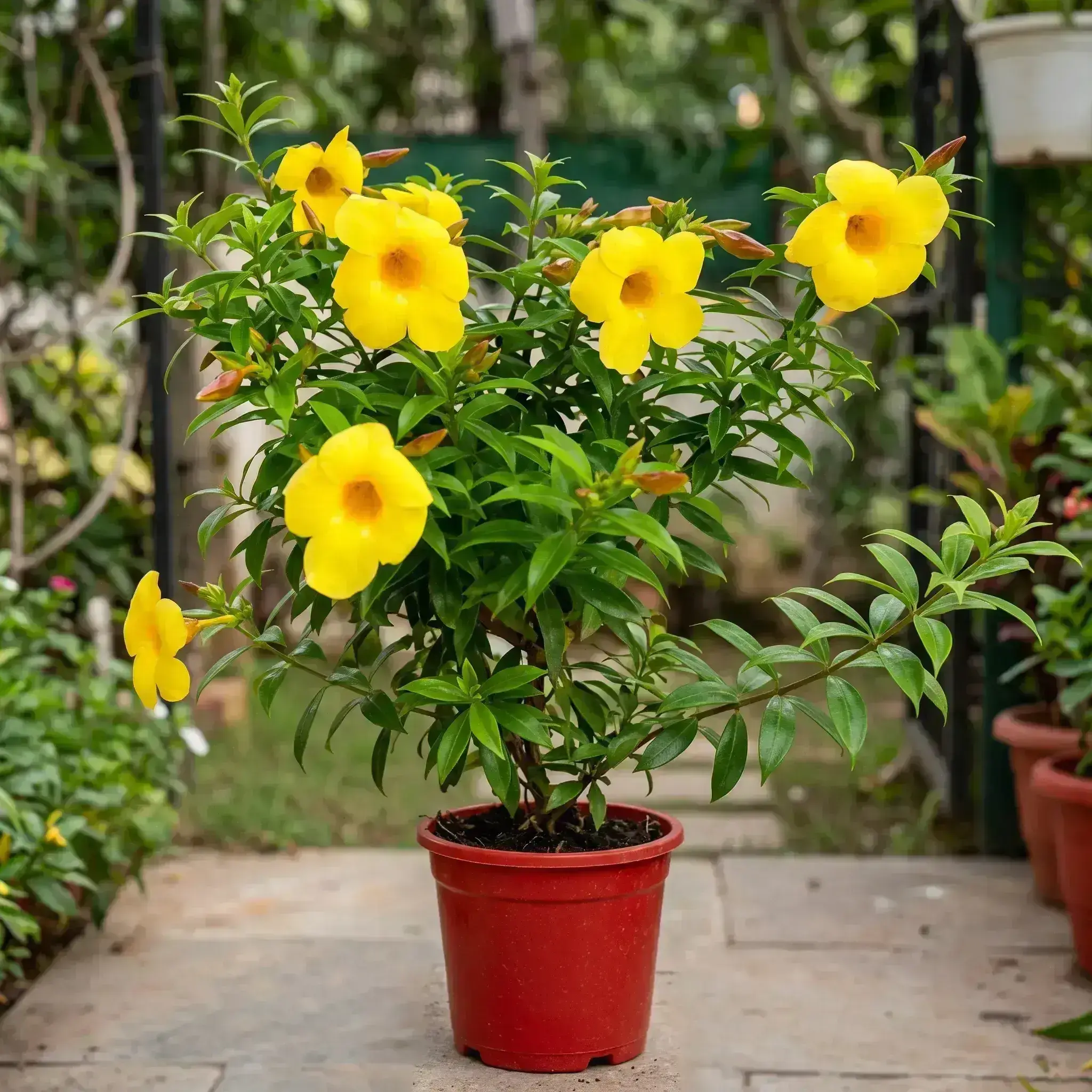
The Allamanda Yellow Plant Also Known as Allamanda Golden Trumpet (Allamanda Cathartica) Plant, Golden Trumpet or Yellow Allamanda. This tropical flowering plant is admired for its large, bright golden-yellow, trumpet-shaped flowers and glossy green foliage.
The botanical name of this plant is Allamanda cathartica. It is a fast-growing tropical evergreen shrub that can also grow as a climbing plant when provided with suitable support. Its attractive flowers make it a popular choice for home gardens, boundary walls, fences, trellises and outdoor landscapes.
If you want a flowering plant that adds a cheerful tropical appearance to your garden, Yellow Allamanda is an attractive option.
Plant Highlights
- Common Name: Yellow Allamanda, Golden Trumpet, Golden Trumpet Vine
- Botanical Name: Allamanda cathartica L.
- Family: Apocynaceae
- Plant Type: Tropical evergreen flowering shrub or climber
- Flower Colour: Golden yellow
- Foliage: Glossy, deep-green leaves
- Growth Habit: Bushy, spreading or climbing
- Light Requirement: Full sunlight
- Water Requirement: Regular watering
- Flowering: Often flowers repeatedly in warm growing conditions
- Best For: Home gardens, fences, trellises, walls and large containers
About the Allamanda Yellow Plant
Allamanda is a tropical ornamental plant native to South America, particularly Brazil and surrounding regions. It is widely cultivated in tropical and subtropical gardens because of its attractive flowers and evergreen foliage.
The plant produces large, funnel-shaped flowers with five spreading lobes. Its golden-yellow flowers contrast beautifully with the glossy green leaves.
Allamanda can be trained as a climbing plant along a fence or trellis. It can also be pruned regularly to maintain a bushy shrub-like shape.
Appearance and Growth
Yellow Allamanda has woody stems and glossy, leathery green leaves. The leaves usually grow in opposite pairs or groups of three to four around the stem.
Its flowers are the main attraction. They have a trumpet-like shape and a bright yellow colour that makes the plant stand out in outdoor gardens.
Allamanda can grow vigorously in warm conditions. When allowed to spread, its branches may become long and climbing, so regular pruning and suitable support help maintain its shape.
Flowering and Blooming
The Golden Trumpet plant is mainly grown for its attractive yellow flowers. In warm tropical conditions, an established and healthy plant may flower repeatedly over a long period.
For better flowering:
- Provide plenty of direct sunlight.
- Use fertile, well-draining soil.
- Water regularly during active growth.
- Feed moderately during the growing season.
- Prune carefully to encourage fresh branching.
Flowering depends on sunlight, plant maturity, nutrition, temperature and growing conditions. A newly planted or recently pruned plant may take time to produce flowers.
Sunlight Requirements
Allamanda performs best in full sunlight. Good sunlight encourages healthy growth and better flowering.
- Choose an open garden location with several hours of direct sunlight.
- A sunny terrace or balcony can also work if there is enough space.
- Avoid keeping the plant in a dark indoor corner.
- Gradually introduce young plants to stronger sunlight if they were previously grown in shade.
In hot Indian summers, provide adequate water and monitor the leaves for signs of excessive heat stress.
Watering Requirements
Allamanda prefers regular watering and moderately moist soil during active growth.
- Water when the upper layer of soil begins to dry.
- Water deeply enough to reach the root zone.
- Allow excess water to drain away.
- Increase watering during hot and dry weather when necessary.
- Reduce watering during cooler periods.
Do not allow the roots to remain in stagnant water. Overwatering and poor drainage can cause root problems.
Soil and Potting Mix
Allamanda grows well in fertile soil that retains some moisture but drains freely.
A suitable potting mix can include:
- Garden soil for structure
- Compost or vermicompost for organic nutrients
- Cocopeat for moisture retention
- Coarse sand or perlite to improve drainage
For garden planting, choose a sunny location with fertile soil and good drainage.
Temperature and Humidity
As a tropical plant, Allamanda prefers warm temperatures and generally grows well in humid conditions.
- Protect young plants from cold weather.
- Avoid prolonged exposure to cold winds.
- Maintain regular watering during hot weather.
- Provide sufficient sunlight and air circulation.
The warm and humid climate of many parts of India, including West Bengal, can support outdoor Allamanda cultivation.
Fertilizer and Plant Nutrition
Regular feeding during active growth can support healthy foliage and flowering.
- Add compost or vermicompost around the plant.
- Use a balanced flowering-plant fertilizer according to its label.
- Avoid excessive nitrogen fertilizer, which may encourage leafy growth at the expense of flowers.
- Water after applying dry fertilizer.
- Reduce feeding when growth slows.
Do not apply concentrated fertilizer directly against the stem or roots.
Growing Allamanda in Pots
Yellow Allamanda can be grown in containers if enough space is provided for its roots and vigorous growth.
- Select a medium-to-large pot with drainage holes.
- Use fertile, well-draining potting soil.
- Place the container in a sunny location.
- Provide a trellis or support if you want climbing growth.
- Prune regularly to control its size.
Container-grown plants may need more frequent watering than plants growing in garden soil, especially during summer.
Growing Allamanda in Home Gardens
Allamanda is a beautiful choice for outdoor tropical gardens. It can be grown in several ways:
- Boundary walls: Train its branches along a suitable support.
- Garden fences: Use it as a flowering climber.
- Trellises: Guide the stems to create a decorative flowering feature.
- Large garden pots: Grow it as a shrub or supported climber.
- Landscape areas: Use it as a colourful flowering specimen.
Give the plant enough room because it can become large and spreading if left unpruned.
Pruning and Maintenance
Regular pruning helps control the growth of Allamanda and encourages fresh branching.
- Remove dry, damaged and diseased branches.
- Trim excessively long stems to maintain the desired shape.
- Remove weak or overcrowded growth.
- Use clean pruning tools.
- Wear gloves when pruning because the plant produces milky sap.
Avoid excessive pruning when you want to enjoy its flowers, as cutting back developing shoots may remove potential flowering growth.
Propagation
Allamanda can be propagated through stem cuttings and seeds. Stem cuttings are a commonly used method for growing new plants.
Propagation through stem cuttings:
- Select a healthy, semi-mature stem.
- Cut a suitable section using clean pruning scissors.
- Remove the lower leaves.
- Place the cutting in a moist, well-draining propagation medium.
- Keep it in a warm location with bright indirect light.
- Maintain suitable moisture while roots develop.
New growth indicates that the cutting may be establishing, but allow a healthy root system to develop before transplanting.
Common Problems and Solutions
Yellow Leaves: May occur due to overwatering, poor drainage, nutrient problems or natural ageing. Check soil moisture and root conditions.
Few or No Flowers: Insufficient sunlight is a common reason. Move the plant to a sunnier location and review its feeding and pruning routine.
Brown Leaf Edges: Can result from irregular watering, excessive fertilizer or environmental stress. Maintain consistent care.
Root Rot: Often associated with waterlogged soil. Improve drainage and avoid excessive watering.
Mealybugs and Whiteflies: These insects may affect stems and leaves. Inspect the plant regularly and use an appropriate plant-safe treatment when needed.
Is Allamanda Suitable for Home Gardens?
Yes. Allamanda is well suited to outdoor home gardens in warm climates. Its bright yellow flowers and evergreen foliage make it attractive for fences, walls, trellises and garden landscapes.
It is best grown outdoors in a sunny location rather than in a low-light indoor room. Provide enough space for its vigorous growth and prune it regularly.
Safety and Toxicity
Important: Allamanda is a potentially toxic ornamental plant.
The plant produces milky sap that can irritate the skin and eyes. Different plant parts may cause harmful effects if swallowed, including nausea, vomiting and diarrhoea.
- Keep the plant away from small children and pets.
- Wear gloves when pruning or handling damaged stems.
- Avoid touching your eyes after handling the plant.
- Wash exposed skin with water.
- Seek medical advice if plant material is swallowed or symptoms develop.
Do not use Allamanda leaves, flowers, roots or sap as home remedies or for self-medication.
Live Plant Delivery Information
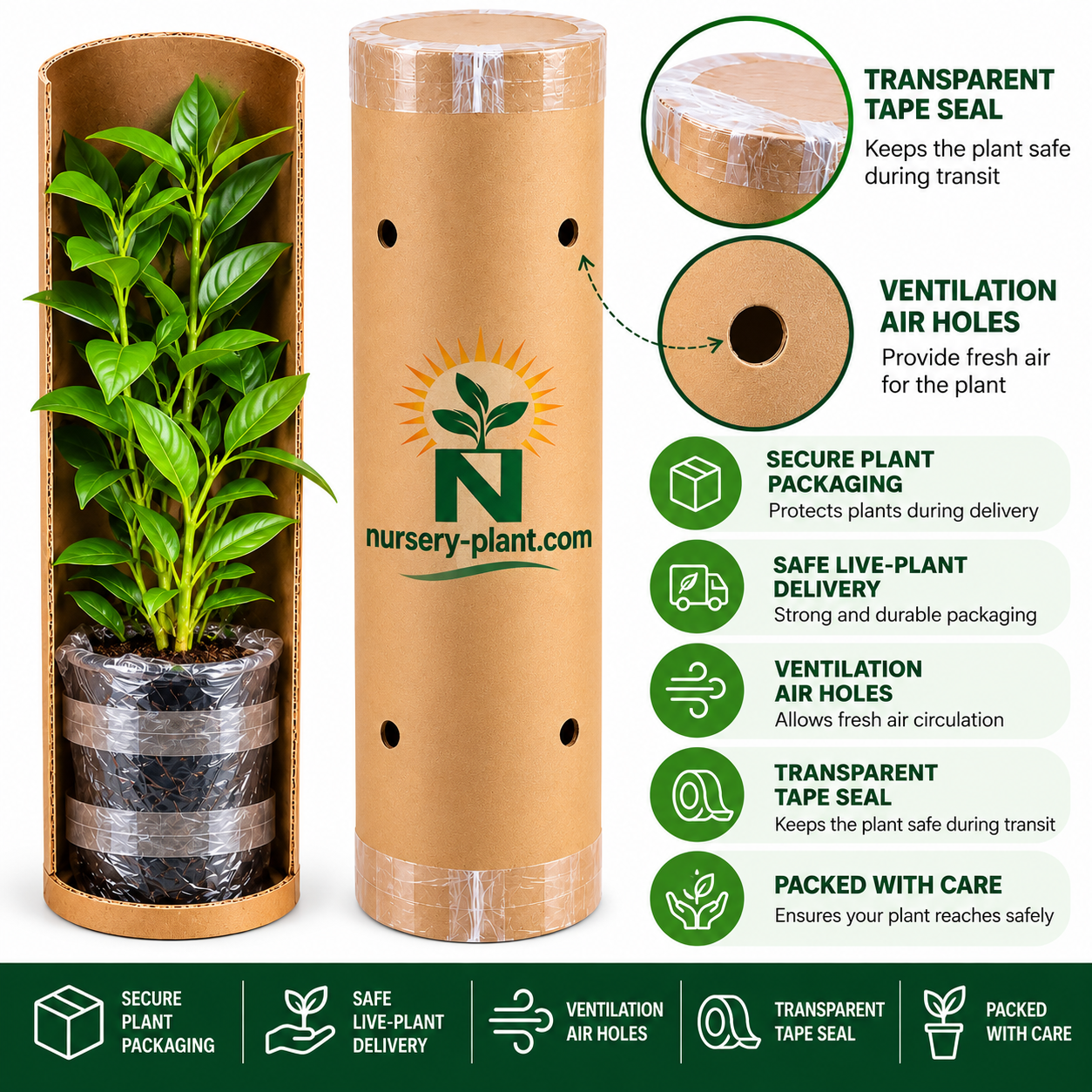
Live plants are natural products, so the delivered plant may have slight differences in height, branch shape, leaf size and appearance compared with photographs.
Some temporary leaf drooping or stress can occur during transportation. After delivery, place the plant in a bright, well-ventilated location and allow it to adjust. Check the soil before watering and avoid immediate repotting or heavy fertilizing.
Why Choose an Allamanda Yellow Plant?
- Large and attractive golden-yellow flowers
- Glossy evergreen foliage
- Suitable for tropical home gardens
- Can be trained along fences and trellises
- Can also be maintained as a flowering shrub through pruning
- Adds a bright tropical appearance to outdoor spaces
- Suitable for large garden containers
Botanical Information & Further Reading
Explore these reliable references to learn more about Allamanda identification, cultivation and safety:
- Kew Science – Allamanda cathartica
- North Carolina State University – Allamanda Plant Toolbox
- Royal Horticultural Society – Golden Trumpet
- University of Wisconsin–Madison Extension – Golden Trumpet
- CSIR-NEERI – Allamanda Botanical Information
- Queensland Poisons Information Centre – Yellow Allamanda
Frequently Asked Questions
1. What is the botanical name of the Allamanda Yellow Plant?
The botanical name is Allamanda cathartica L. It belongs to the Apocynaceae family.
2. Does Allamanda produce yellow flowers?
Yes. The common Golden Trumpet variety produces large, bright golden-yellow, trumpet-shaped flowers.
3. Does Allamanda need full sunlight?
Yes. Allamanda grows and flowers best in full sunlight. A sunny outdoor garden location is ideal.
4. Can I grow Allamanda in a pot?
Yes. It can be grown in a large container with fertile, well-draining soil. Regular pruning helps control its size.
5. Is Allamanda a climber or a shrub?
It can grow as a spreading shrub or a climbing plant. Provide a trellis or fence for climbing growth, or prune it to maintain a bushy shape.
6. How often should I water Allamanda?
Water regularly when the upper soil layer begins to dry. Avoid keeping the roots in waterlogged soil.
7. When does Allamanda flower?
In warm tropical conditions, an established plant may flower repeatedly during favourable growing periods. Flowering depends on sunlight, nutrition and plant health.
8. How can I propagate Allamanda?
It can be propagated through stem cuttings or seeds. Healthy semi-mature stem cuttings are commonly used.
9. Can Allamanda grow in West Bengal?
Yes. Its preference for warm, tropical conditions makes it suitable for outdoor gardens in many parts of West Bengal. Choose a sunny location with good drainage.
10. Is the Allamanda plant poisonous?
Yes. Allamanda contains potentially harmful substances, and its milky sap can irritate skin and eyes. Keep it away from children and pets and avoid swallowing any part of the plant.
11. Can Allamanda grow indoors?
It is primarily an outdoor flowering plant because it needs plenty of sunlight. Indoor cultivation is difficult unless the plant receives very bright light.
12. Does Allamanda need pruning?
Yes. Pruning helps control its vigorous growth, maintain a bushy shape and encourage new branches. Use gloves because its milky sap can irritate the skin.
For More Information
Visit: Nursery-Plant.Com
For Contact Visit:Contact Us
For Shopping Visit: Shop Page


Reviews
There are no reviews yet.