
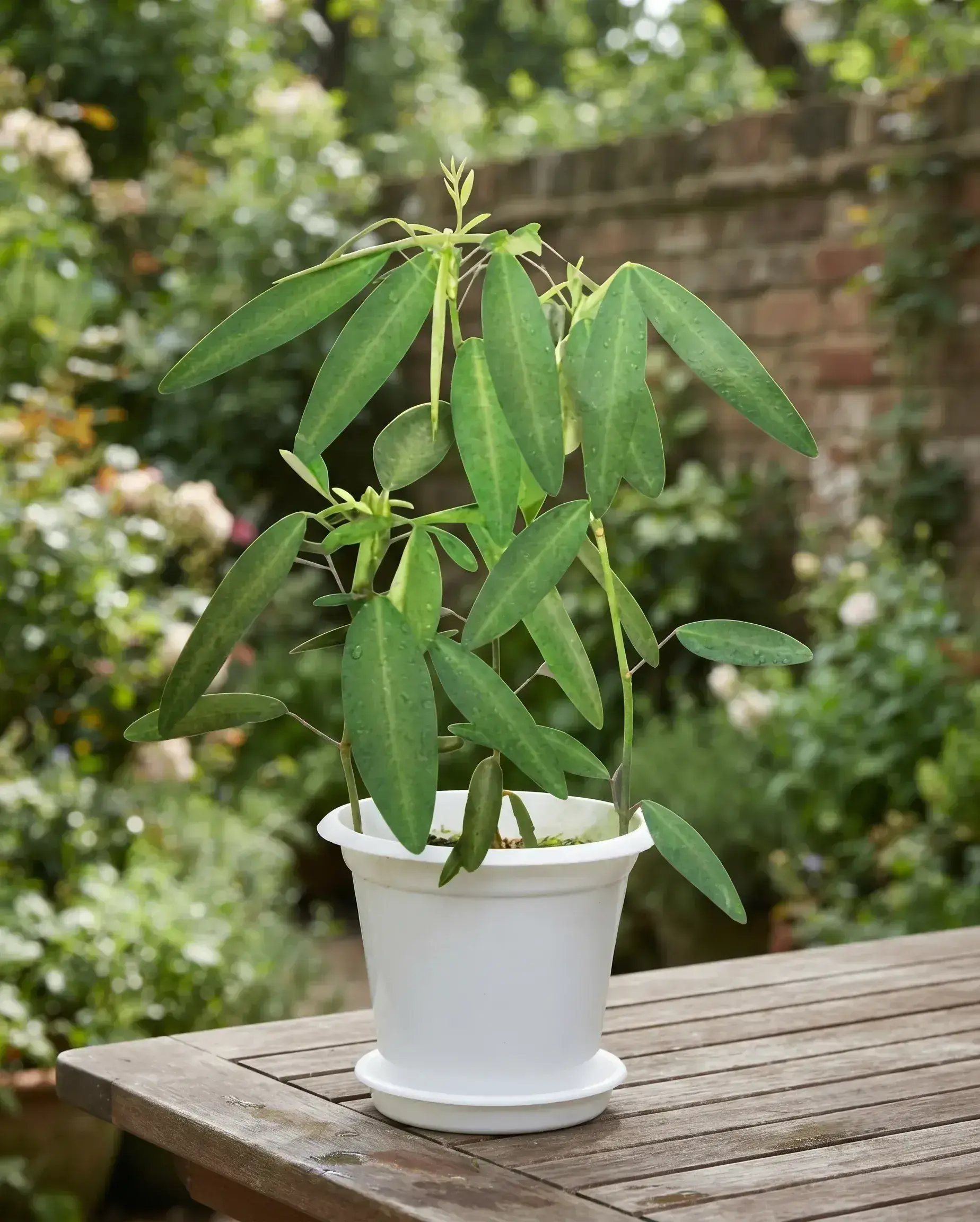

Dancing Plant / Telegraph Plant / Semaphore Plant / Nageswar / Ban Chandal / Dudli Plant
🌿 About Dancing Plant
Bring one of nature’s most fascinating moving plants into your garden with the Dancing Plant (Codariocalyx motorius), also popularly known as the Telegraph Plant, Semaphore Plant, Dancing Plant, Dancing Grass, Nageswar, Ban Chandal and Dudli in different regions.
This unusual tropical plant is famous for the natural movement of its small leaflets. Under suitable warm and bright conditions, the side leaflets can slowly move up and down, creating the appearance that the plant is “dancing.”
The currently accepted botanical name is Codariocalyx motorius. The Royal Botanic Gardens, Kew recognizes it as an accepted species in the Fabaceae (legume) family and records its native range across tropical and subtropical Asia, including India.
🌱 Botanical Information
- Common Name: Dancing Plant
- Other Names: Telegraph Plant, Semaphore Plant, Dancing Grass
- Indian/Common Names: Nageswar, Ban Chandal, Dudli
- Botanical Name: Codariocalyx motorius
- Older Scientific Names: Codariocalyx gyrans, Desmodium gyrans
- Family: Fabaceae
- Plant Type: Tropical ornamental shrub
- Growth Habit: Upright, branching shrub
- Foliage: Compound leaves with movable leaflets
- Native Range: Tropical & Subtropical Asia
- Suitable For: Home garden, balcony, terrace, bright indoor areas and office plant collections
- Container Growing: Yes
Kew lists Codariocalyx gyrans and Desmodium gyrans as synonyms of Codariocalyx motorius.
💃 Why Is It Called the Dancing Plant?
The special feature of this plant is its leaflet movement.
Unlike ordinary plants, the small side leaflets can move in response to environmental conditions such as light and temperature. Their movement is produced by specialized structures at the leaflet joints called pulvini.
This fascinating movement is the reason the plant has acquired names such as Dancing Plant, Telegraph Plant and Semaphore Plant.
Kew’s Legumes of the World resource specifically records Codariocalyx plants as being used ornamentally for leaflet movement.
🍃 Fascinating Moving Leaves
The leaves are made up of several leaflets arranged along the leaf stalk.
The larger terminal leaflet is accompanied by smaller lateral leaflets. Under appropriate conditions, these smaller leaflets may show noticeable rhythmic movement.
The movement is natural plant behaviour, not mechanical movement or a result of touching the plant.
The amount of visible movement can vary according to:
- ☀️ Light intensity
- 🌡️ Temperature
- 💧 Water availability
- 🌱 Plant health
- 🕐 Time of day
- 🌿 Growing conditions
Therefore, the movement may not always be equally visible throughout the day.
🏡 Perfect for Home Garden & Plant Collections
The Dancing Plant is an excellent choice for people who enjoy unusual and interactive-looking plants.
It can be grown in:
- 🏡 Home gardens
- 🪴 Balcony gardens
- 🌿 Terrace gardens
- 🪟 Bright windows
- 💻 Office plant collections
- 🧪 Educational plant collections
- 🌱 Botanical gardens
- 🎁 Unique plant collections
Its unusual leaf movement makes it especially interesting for children, students, plant lovers and gardening enthusiasts.
☀️ Sunlight Requirements
Provide the Dancing Plant with bright light and suitable sunlight for healthy growth and better leaflet movement.
For container growing:
- Place the plant in a bright location.
- Morning sunlight can be beneficial.
- Provide filtered light during extremely intense heat if necessary.
- Avoid keeping it permanently in a dark room.
- Gradually acclimatise plants when moving them from shade to stronger sunlight.
Because the plant is naturally associated with tropical and subtropical environments, warmth and good light are important for vigorous growth. Kew describes the species as primarily growing in the wet tropical biome.
💧 Watering Guide
Dancing Plant prefers regular moisture with good drainage.
Follow this simple routine:
- Check the upper layer of soil before watering.
- Water when the surface begins to dry.
- Water thoroughly around the root zone.
- Allow excess water to drain from the pot.
- Do not leave the plant sitting in stagnant water.
- Check the soil more frequently during hot weather.
Avoid allowing the soil to remain completely dry for extended periods, while also avoiding constant waterlogging.
🪴 Soil & Pot Requirements
Use a fertile, organic-rich and well-draining potting mix.
A suitable mixture can contain:
- Quality garden soil or loam
- Organic compost
- Coco-based growing medium
- Perlite or coarse sand
- Other suitable drainage material
Choose a pot with drainage holes.
A well-draining container helps prevent excessive moisture around the roots while still allowing the plant to receive adequate water.
🌱 Feeding & Fertilising
During active growth, provide a balanced plant fertiliser according to the manufacturer’s instructions.
Regular moderate feeding can support:
- 🌿 New foliage
- 🌱 Branch development
- 💚 Healthy green leaves
- 🌳 Fuller plant growth
Avoid excessive fertilisation, particularly when the plant is not actively growing.
✂️ Pruning & Bushy Growth
Light pruning can help maintain a compact and attractive plant.
Pruning can be used to:
- Encourage branching
- Maintain a bushier shape
- Remove damaged stems
- Control excessive height
- Keep the plant suitable for container growing
Use clean pruning tools and avoid removing too much healthy growth at once.
🌡️ Warm & Humid Conditions
The Dancing Plant naturally occurs across tropical and subtropical Asia and is associated with wet tropical habitats.
It generally performs best with:
- 🌡️ Warm temperatures
- ☀️ Bright light
- 💧 Regular moisture
- 🌿 Adequate humidity
- 🌱 Fertile soil
- 💨 Good airflow
- 🪴 Proper drainage
In cooler conditions, growth may slow and the characteristic leaflet movement may become less noticeable.
🧪 Educational & Botanical Interest
The Dancing Plant is particularly valuable as a botanical curiosity because its leaf movement provides an excellent opportunity to observe how plants respond to their surroundings.
It can be an interesting addition to:
- School gardens
- Educational plant collections
- Botanical displays
- Home science projects
- Children’s gardening activities
- Plant enthusiast collections
The plant’s movement is a genuine biological phenomenon and one of its defining ornamental characteristics. Kew records the genus’s ornamental use specifically because of leaflet movement.
🌿 About the “Herbal Plant” Name
This plant is sometimes marketed under names such as Herbal Plant, Medicinal Plant, Nageswar, Ban Chandal or Dudli.
Traditional plant-use records exist for members of the Codariocalyx group, and Kew’s Legumes of the World resource records medicine among reported uses of the genus.
However, this product should primarily be considered a live ornamental and botanical-interest plant. Traditional or reported plant uses should not be interpreted as proof that the plant can diagnose, treat or prevent any medical condition.
Do not consume the plant or use it as a home remedy without appropriate expert identification and professional medical advice.
🏠 Indoor Growing
The Dancing Plant can be temporarily or seasonally displayed indoors when placed in a bright, warm location.
For indoor growing:
- Keep it close to a bright window.
- Provide plenty of natural light.
- Avoid dark corners.
- Maintain appropriate soil moisture.
- Keep it away from cold drafts.
- Provide reasonable humidity.
- Move it outdoors or to a brighter location if growth becomes weak.
Because it is a tropical plant, bright indoor light is essential for long-term success.
🌿 Outdoor Garden Growing
In warm climates, the Dancing Plant can be grown outdoors as an ornamental shrub.
It can be planted in:
- 🌱 Garden beds
- 🪴 Large containers
- 🌿 Balcony planters
- 🌳 Tropical garden areas
- 🏡 Courtyard gardens
Give the plant enough space to develop its branching structure and provide suitable protection from extreme environmental conditions.
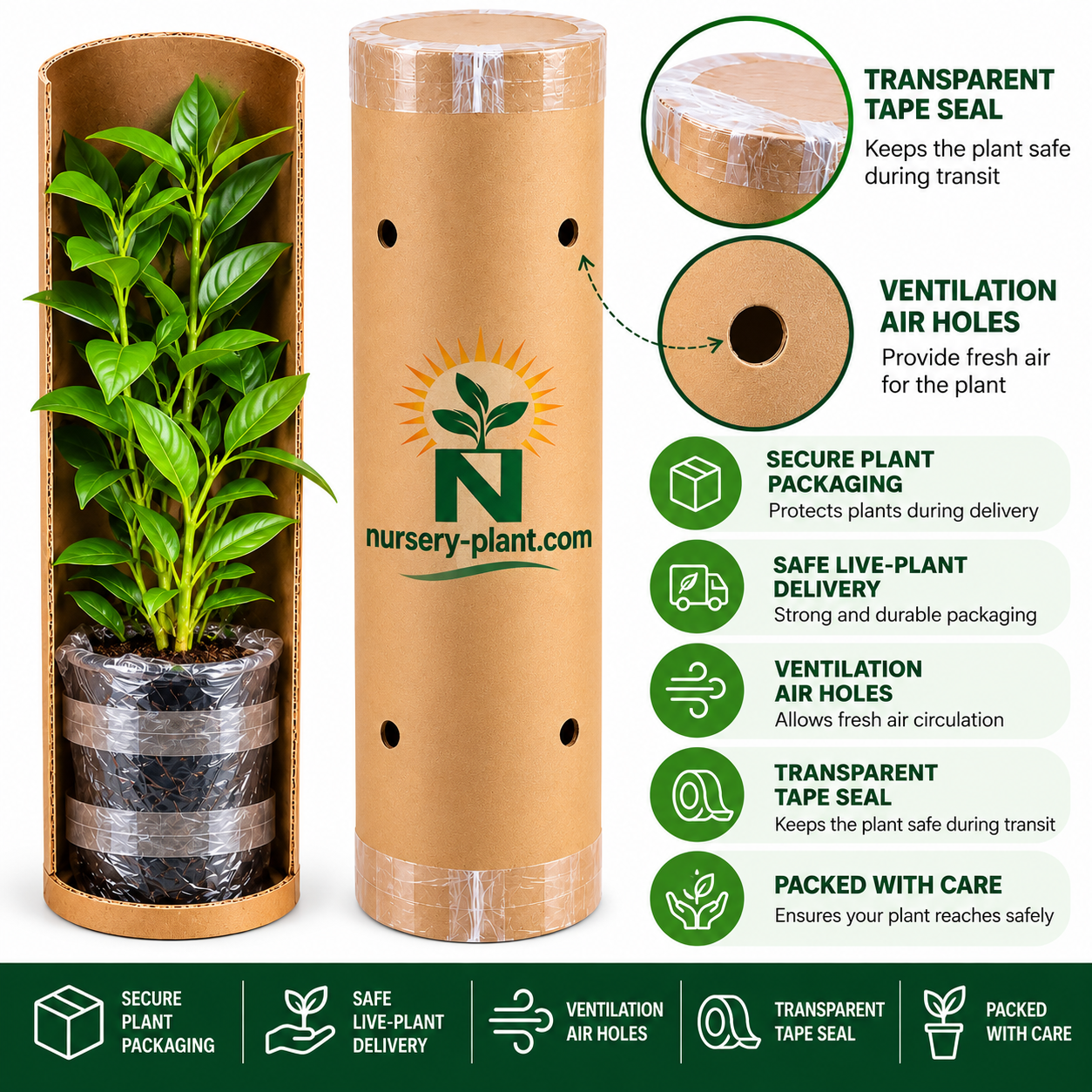
📦 Healthy Live Plant
You will receive a healthy live Dancing Plant (Codariocalyx motorius), suitable for growing in a pot or garden.
Because this is a living plant, the delivered specimen may naturally vary in:
- Plant height
- Number of branches
- Number of leaves
- Leaf size
- Foliage density
- Overall shape
Temporary leaf movement, minor yellowing or transportation stress may occur during delivery. Once placed in suitable growing conditions, the plant can gradually adjust to its new environment.
🌟 Why Choose the Dancing Plant?
- 💃 Famous natural “dancing” leaf movement
- 🌿 Unique botanical curiosity
- 🍃 Attractive compound foliage
- 🏡 Suitable for home gardens
- 🪴 Excellent container plant
- 💻 Interesting office plant
- 🧪 Great for educational collections
- 🌱 Suitable for warm Indian conditions
- 🎁 Unique gift for plant lovers
- ✨ Adds movement and botanical interest to your collection
🔗 Botanical Information & Further Reading
For authoritative botanical information, see Royal Botanic Gardens, Kew – Codariocalyx motorius. Kew recognizes this as the accepted species and records its distribution across tropical and subtropical Asia, including India.
For information about its botanical classification and reported ornamental use for leaflet movement, see Kew – Codariocalyx genus.
For the older name Codariocalyx gyrans, see Kew – Codariocalyx gyrans, which is now treated as a synonym of Codariocalyx motorius.
For the older name Desmodium gyrans, see Kew – Desmodium gyrans, also treated as a synonym of Codariocalyx motorius.
For information on the related Codariocalyx species and its botanical classification, see Kew – Codariocalyx gyroides.


Reviews
There are no reviews yet.