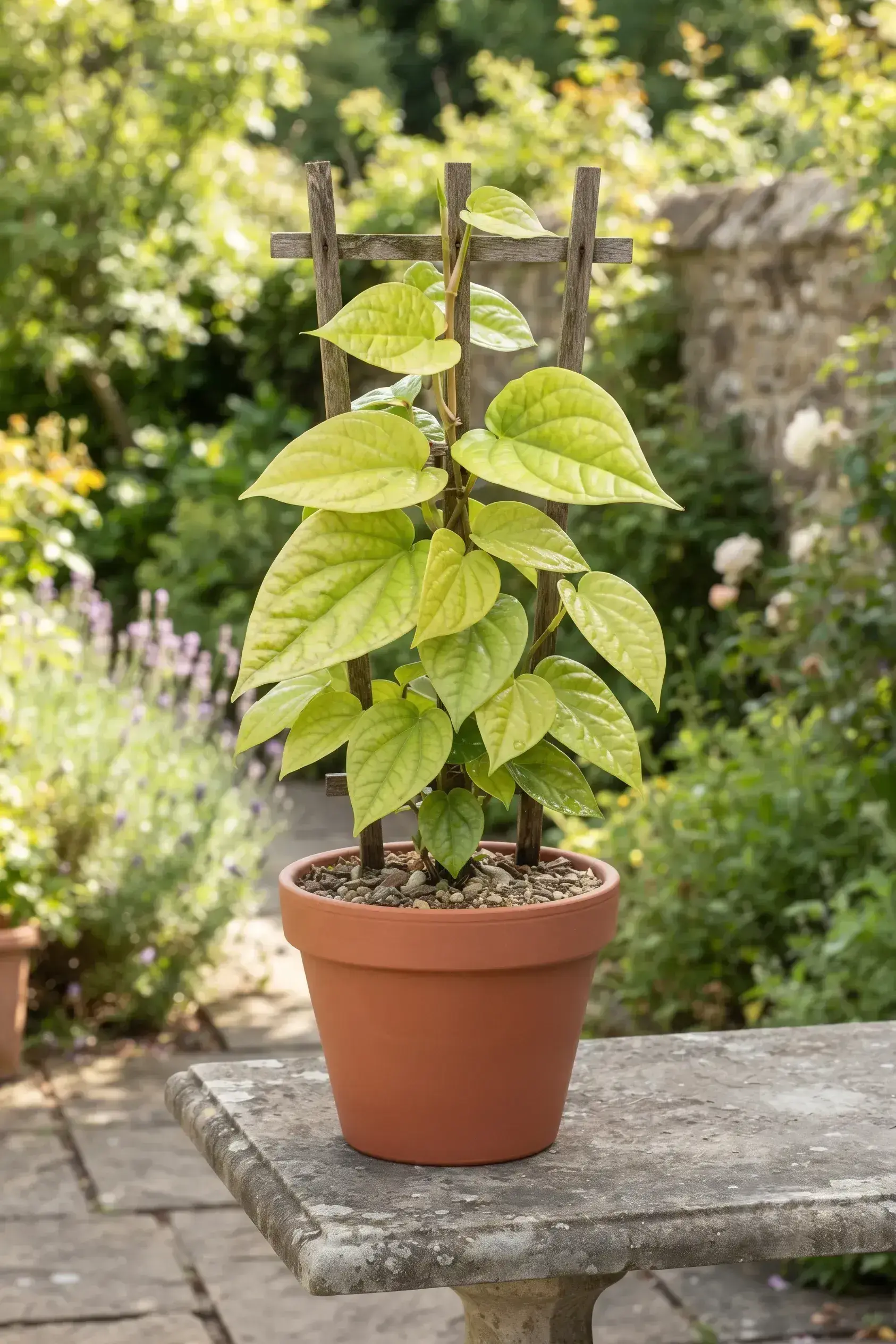


Yellow Leaves Mitha Pan Plant from Kolkata – Premium Sweet Betel Leaf (Paan) Live Plant
🌿 About the Plant
The Mitha Pan Plant is a popular type of betel vine (Paan) grown for its aromatic, edible leaves. This plant is especially associated with traditional paan cultivation in eastern India, including West Bengal. The product is supplied as a live Mitha Pan plant with pot, making it convenient for home gardeners who want to grow fresh betel leaves at home.
The accepted botanical name of betel vine is Piper betle L., and it belongs to the Piperaceae family. Royal Botanic Gardens, Kew recognizes Piper betle as an accepted species and describes it as a climbing shrub or liana that grows primarily in wet tropical conditions.
The name “Mitha Pan” is commonly used in nursery and regional trade for a comparatively mild or sweet-tasting betel-leaf type. The exact cultivar identity and formal breeding history of plants sold under this trade name are not consistently documented in authoritative botanical sources, so this description does not assign an unverified cultivar pedigree.
The plant is naturally a climber and can be trained on a small trellis, stick, wall support or other suitable structure.
🌱 Plant Characteristics
- Common Name: Betel Leaf / Paan
- Market Name: Mitha Pan
- Botanical Name: Piper betle L.
- Family: Piperaceae
- Plant Type: Evergreen climbing vine
- Plant Form: Live plant supplied with pot
- Leaf Use: Traditionally used as betel leaf
- Growth Habit: Climbing and spreading
- Sunlight: Bright filtered light to partial shade
- Water: Regular moisture
- Soil: Fertile, moisture-retentive and well drained
- Climate: Warm and humid conditions
- Suitable For: Home gardens, balconies, shaded terraces and protected outdoor areas
Kew records Piper betle as a climbing shrub/liana and places the species within the wet tropical biome.
🍃 Leaves
The leaves are the most important part of the plant.
Betel leaves are typically:
- Green and glossy when healthy
- Heart-shaped or broadly ovate
- Aromatic
- Soft and flexible
- Pointed at the tip
- Supported by relatively long leaf stalks
Kew’s botanical description records betel vine leaves as ovate to rounded-ovate, with a heart-shaped or nearly heart-shaped base and pointed apex.
The exact leaf colour and size can vary according to plant age, light, humidity, nutrition and growing conditions.
🍃 Why Mitha Pan Is Popular
“Mitha Pan” is a traditional trade description associated with a milder, pleasant betel-leaf character.
It is commonly preferred by people who enjoy betel leaves with a comparatively less aggressive pungency.
However, flavour and aroma can vary with:
- Plant type
- Growing conditions
- Leaf maturity
- Soil
- Water management
- Sunlight
- Harvesting stage
Therefore, exact taste characteristics should be understood as typical or expected rather than guaranteed for every individual plant.
☀️ Sunlight Requirements
Betel vine generally performs well under bright filtered light or partial shade rather than harsh, uninterrupted midday sunlight.
For a home-grown Mitha Pan plant:
- Provide bright indirect or filtered sunlight.
- Gentle morning sunlight can be beneficial.
- Protect the plant from intense hot afternoon sun.
- Avoid keeping the plant permanently in deep darkness.
- Maintain good air movement around the foliage.
Traditional betel cultivation uses controlled shade conditions because the plant naturally prefers a warm, humid growing environment. ICAR’s betelvine research also emphasizes management of shade and plant growth for successful cultivation.
For a Kolkata-type warm and humid climate, a bright shaded location can be particularly suitable.
💧 Watering
Mitha Pan prefers consistent moisture.
The soil should not be allowed to become completely dry for long periods, but it should also not remain waterlogged.
A practical watering routine is:
- Check the upper soil layer regularly.
- Water when it begins to dry.
- Water thoroughly but gently.
- Allow excess water to drain.
- Increase attention during hot and dry weather.
- Reduce watering during prolonged rainy periods.
- Avoid keeping the pot sitting permanently in collected water.
Betel vine is naturally associated with wet tropical environments, but good drainage remains important for container-grown plants.
🪴 Soil & Potting
Use a fertile, moisture-retentive but well-draining potting mixture.
A suitable home-garden mixture can contain:
- Good-quality garden soil
- Mature compost
- Cocopeat
- Well-decomposed organic manure
- A small quantity of coarse sand or another drainage-improving material where needed
The goal is to create soil that stays moderately moist while allowing excess water to escape.
Because the product is supplied with a pot, allow the plant to establish before immediately changing the container unless the existing pot is clearly unsuitable.
When repotting becomes necessary, select a slightly larger container with adequate drainage holes.
🌱 Fertilizer & Nutrition
Betel vine benefits from fertile soil and regular organic nutrition.
For home cultivation, you can periodically add:
- Mature compost
- Vermicompost
- Well-decomposed farmyard manure
- A mild balanced fertilizer suitable for leafy plants
Avoid excessive fertilizer, especially when the plant is young.
Too much fertilizer can damage roots or encourage soft, overly vigorous growth.
For a plant whose leaves may be harvested for traditional food use, use only fertilizers and plant-protection products appropriate for edible crops and follow their label instructions.
ICAR’s betelvine research has examined manure, fertilizer, irrigation and other management practices for maintaining good leaf production.
🪴 Pot & Container Gardening
This product is supplied with a pot, making it convenient for people who do not have a large garden.
It can be kept in:
- Balcony gardens
- Shaded terraces
- Kitchen gardens
- Courtyards
- Verandas
- Small backyard gardens
- Protected outdoor spaces
The container should have drainage holes.
As the vine grows, provide a support structure so that it can climb rather than spreading randomly across the ground.
🌿 Support & Training
Betel vine is naturally a climbing plant.
A simple support can be made using:
- Bamboo sticks
- Wooden stakes
- Trellis
- Coir support
- Garden netting
- Suitable wall-mounted support
Tie the growing stems loosely rather than tightly.
As new shoots develop, gently guide them toward the support.
Avoid bending young stems sharply because they can be damaged easily.
A vertical support also makes harvesting and maintenance easier.
🌱 Humidity & Environment
Mitha Pan generally appreciates a warm and humid environment.
A suitable home location should provide:
- Good humidity
- Bright filtered light
- Protection from harsh afternoon sun
- Regular moisture
- Good air circulation
- Protection from extreme cold
Kew describes Piper betle as primarily associated with wet tropical conditions.
In very dry indoor environments, the plant may require more careful moisture management.
However, avoid keeping the foliage continuously wet or placing the plant in a completely stagnant, poorly ventilated corner.
✂️ Pruning & Maintenance
Regular maintenance helps keep the vine healthy and manageable.
Remove:
- Yellowing leaves
- Completely dry leaves
- Damaged shoots
- Diseased portions
- Excessively crowded growth
Guide healthy shoots toward the support.
If the vine becomes excessively long, selected shoots can be trimmed to maintain the desired size.
Avoid removing large amounts of healthy foliage at once.
Regular harvesting itself can also help control the plant’s size.
🍃 Harvesting Betel Leaves
Harvest mature, healthy leaves carefully.
ICAR’s betel-leaf guidance notes that leaves are harvested according to maturity and that harvesting is generally done periodically; it also recommends avoiding harvest immediately after rain or irrigation.
For home use:
- Select healthy mature leaves.
- Use clean hands or a clean cutting tool.
- Avoid damaging the growing shoot.
- Harvest only the quantity required.
- Remove damaged or diseased leaves separately.
Regular harvesting can encourage continued growth when the plant has been properly established.
🍃 About the Yellow Leaves / Natural Leaf Colour
The product name “Yellow Leaves Mitha Pan” refers to the marketed plant type/name and should not automatically be interpreted as a plant with diseased or permanently yellow foliage.
A healthy betel vine can show changes in leaf colour depending on:
- Leaf age
- Light intensity
- Nutrition
- Water availability
- Temperature
- Plant stress
- Transport conditions
Newly delivered plants may temporarily show lighter or yellowish leaves because of changes in light, humidity and watering.
If leaves become increasingly yellow after planting, check drainage, watering, sunlight and nutrition before applying fertilizer.
🐛 Basic Pest & Disease Care
Betel vine can be affected by pests and diseases, particularly when humidity is high and ventilation is poor.
Regularly inspect the plant for:
- Leaf spots
- Soft or damaged stems
- Aphids
- Scale insects
- Mealybugs
- Other sap-sucking insects
- Signs of fungal or bacterial problems
Good preventive care includes:
- Avoiding excessive irrigation
- Removing damaged leaves
- Keeping the growing area clean
- Maintaining appropriate air circulation
- Avoiding unnecessary leaf wetness
- Providing suitable filtered light
ICAR continues to conduct research and extension activities on betelvine cultivation and disease management.
🏡 Home Garden Suitability
Mitha Pan is particularly suitable for gardeners who want a traditional Paan plant in a compact home-growing setup.
It can be grown in:
- Balcony gardens
- Courtyards
- Verandas
- Kitchen gardens
- Shaded terraces
- Small backyards
- Containers and pots
Because the vine climbs, it does not necessarily require a large horizontal growing area if an appropriate vertical support is provided.
🌿 West Bengal & Kolkata Growing Conditions
West Bengal has a long association with betel-leaf cultivation and consumption, making a Mitha Pan plant a natural choice for home gardeners in the region.
For Kolkata and nearby areas, the plant can benefit from the naturally warm and humid conditions, while careful drainage is important during the monsoon.
During very heavy rainfall:
- Check the pot drainage.
- Do not allow the roots to remain submerged.
- Move the container to a protected location if necessary.
- Remove damaged leaves and maintain airflow.
During hot summer weather, protect the plant from severe direct afternoon sunlight and monitor soil moisture more frequently.
⚠️ Important Note About Paan Consumption
Betel leaves are traditionally used to prepare paan, but consuming betel quid containing areca nut, tobacco or other ingredients has documented health risks. This product description therefore does not make medicinal or health-benefit claims for betel leaf or paan.
The plant is being offered primarily as a live edible-leaf and traditional home-garden plant.
📦 Live Plant Delivery & Natural Variation
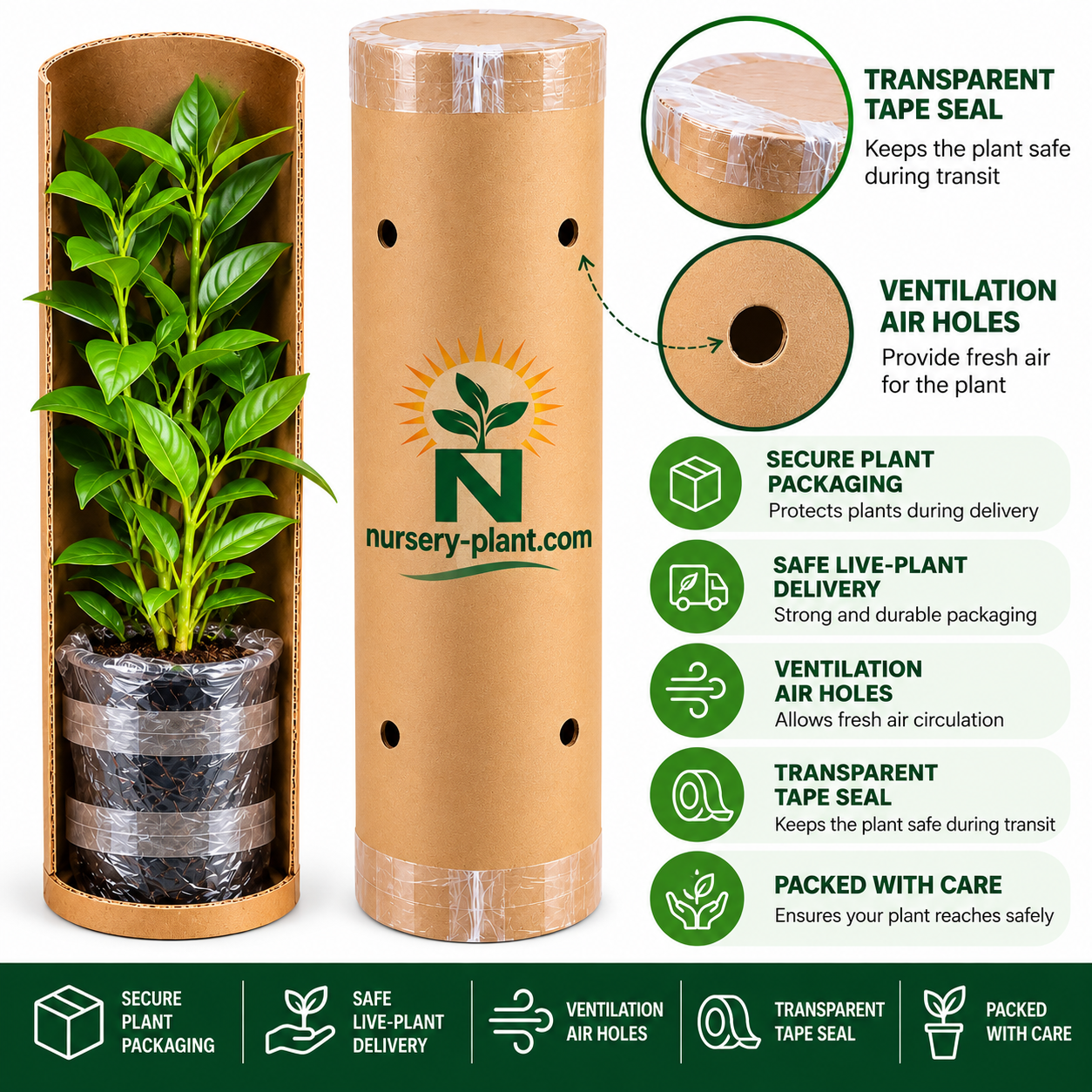
This is a live plant supplied with a pot, so the actual plant may naturally differ from product photographs.
During packing and transportation, you may notice:
- Slight yellowing of leaves
- Temporary drooping
- Minor leaf shedding
- Small differences in plant height
- Differences in leaf size
- Variation in stem thickness
- Minor leaf damage
- Temporary transport stress
Changes in sunlight, temperature, humidity and watering after delivery can temporarily affect the plant’s appearance.
Allow the plant to acclimatise gradually after delivery.
Product photographs are representative. The actual plant supplied may naturally vary in size, leaf colour, leaf size and overall appearance.
⚠️ Important Care Note After Delivery
After receiving your Mitha Pan plant:
- Carefully remove the packaging.
- Place the pot in bright filtered light.
- Check the soil moisture.
- Water only when necessary.
- Do not immediately apply strong fertilizer.
- Protect it from harsh afternoon sunlight.
- Provide a climbing support as the vine develops.
- Allow the plant to acclimatise before major repotting.
A temporary change in leaf appearance after transportation is not unusual for live plants.
🌱 Why Choose Mitha Pan Plant?
- Traditional Indian Paan plant
- Pleasant, aromatic betel leaves
- Popular Mitha Pan type
- Suitable for home gardening
- Supplied as a live plant with pot
- Suitable for balconies and courtyards
- Can be trained vertically
- Attractive evergreen climbing foliage
- Suitable for warm and humid Indian conditions
- Convenient for gardeners who want to grow fresh betel leaves at home
- Particularly suitable for West Bengal and other suitable warm regions
ICAR lists Arka Sampada, a betelvine variety, among its landmark varieties and reports high leaf yield and suitability for open-system cultivation, demonstrating the continuing agricultural importance of betelvine in India.
🌿 Botanical Information
Common Name: Betel Leaf / Paan
Market Name: Mitha Pan
Botanical Name: Piper betle L.
Family: Piperaceae
Plant Type: Evergreen climbing shrub/liana
Leaf: Aromatic, ovate to heart-shaped
Growth Habit: Climbing and spreading
Sunlight: Bright filtered light / partial shade
Water: Regular moisture without prolonged waterlogging
Soil: Fertile, moisture-retentive and well drained
Climate: Warm and humid
Suitable For: Home gardens, balconies, courtyards, terraces and containers
Product Form: Live plant supplied with pot
Kew recognizes Piper betle L. as the accepted botanical species and places it in the Piperaceae family.
🔗 Botanical Information & Further Reading
- Royal Botanic Gardens, Kew – Piper betle — Botanical identity, accepted name, family, distribution and general information.
- Kew – Piper betle General Information — Botanical morphology, leaves, growth habit and common names.
- ICAR – Landmark Varieties: Betel Vine — Official Indian information on Arka Sampada betelvine.
- ICAR – Betelvine Cultivation Workshop — Recent ICAR information on betelvine cultivation, research and disease management.
- ICAR – Betelvine Horticulture Research — Research information on betelvine nutrition, irrigation, shade management and production.
- ICAR-NIRCA – Betel Leaf Curing & Grading — Technical information on betel-leaf maturity, harvesting and handling.
Bring the traditional flavour of Bengali-style Mitha Pan into your home garden with this live betel-leaf plant supplied with a pot, and enjoy growing your own aromatic Paan leaves in a warm, bright and protected space.
For More Information Visit: Nursery-Plant.Com
For Contact Visit:Contact Us
For Shopping Visit: Shop Page


Reviews
There are no reviews yet.